
Species
Plateosaurus trossingensis
Plateosaurus trossingensisPlateosaurus trossingensis was a pioneer among high-browsing herbivores, using an obligate bipedal posture and flexible neck to crop vegetation up to four meters above the ground. Unique bone histology reveals remarkable developmental plasticity, with adult individuals maturing at widely varying sizes and ages in response to food availability. Dense bonebeds across Germany and Switzerland suggest these animals roamed in herds across arid floodplains, where heavy adults frequently became mired in saturated mud.
HerbivorousBipedal
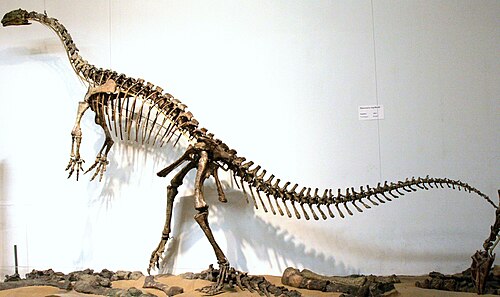
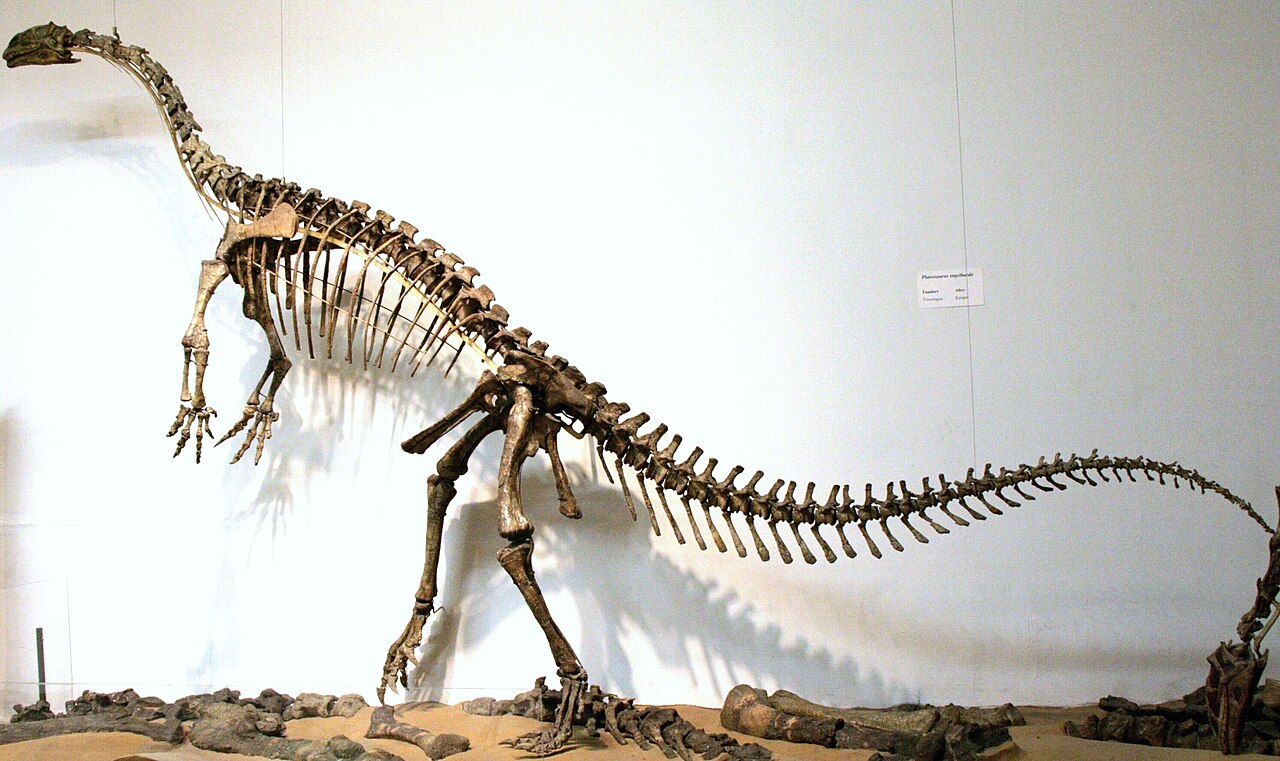
—observations
—countries
—peak records
ExtinctConservation statusIUCN Red List categoriesLCNTVUENCREWEXExtinctRed List categories, explained →
Diet & preyConifer foliage, Cycads, Pteridophytes
Predators
- Liliensternus liliensterni
- Teratosaurus suevicus
- Smok wawelski
ThreatsPredation by theropods and rauisuchians; seasonal droughts
HabitatsArid to semi-arid floodplains and open river basins
Life span15–30+ years
Classification
- FamilyPlateosauridae
- SpeciesPlateosaurus trossingensis
Range data is not available yet.
Interaction riskLow
- Low
- Moderate
- High
- Very high
- Why interaction risk is low
- Extinct prehistoric species known only from fossil remains; safe to observe in museum exhibits.
Responsible observation
- Museum Viewing: Inspect articulated skeletons in Stuttgart and Tübingen to see the enlarged, curved grasping thumb claw.
- Fossil Context: Explore geological displays in Trossingen to understand how muddy sinkholes preserved complete skeletons.
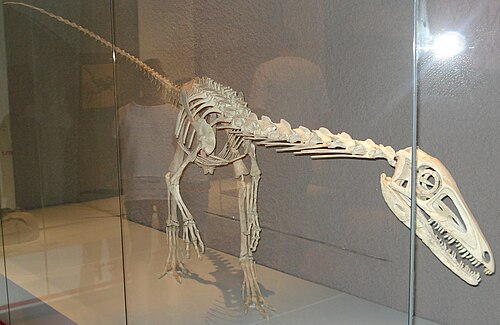
Predator Ghedoghedo / CC BY-SA 3.0 · cc-by-sa Image unavailable
Triassic Contemporary 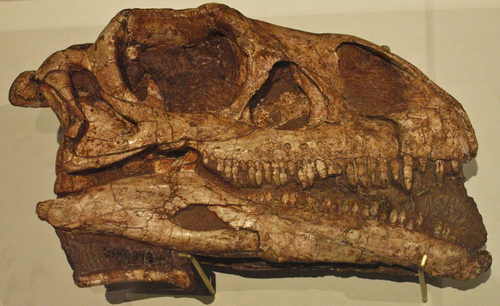
Related Sauropodomorph (c) CaptMondo, some rights reserved (CC BY-SA) · cc-by-sa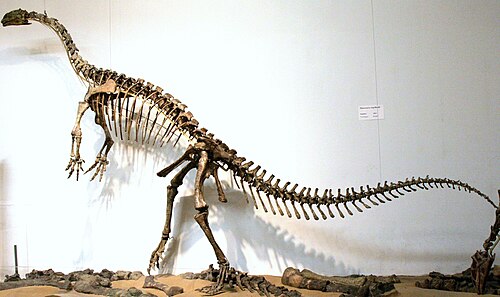
Close Relative FunkMonk / CC BY-SA 3.0 · cc-by-saEarly Relative
Help improve the field guideSomething wrong?
Checking your Fauna account…Report a name, category, or profile issue for review.