
Reptile · GBIF taxon 8577614
Titanoboa cerrejonensis
Titanoboa cerrejonensisAlso known as Cerrejón Giant Boa
Slithering through the equatorial swamps of Paleocene South America, this colossal boid reigned as the undisputed apex predator of the planet's first modern tropical rainforests. Its monstrous proportions were made possible by sustained hyperthermal global temperatures, which allowed cold-blooded reptiles to reach unprecedented metabolic efficiency and bulk. Anatomy of its skull and weakly fused teeth suggests it specialized in ambushing massive aquatic prey, including giant lungfish and ancient crocodilians.
FossilReptile
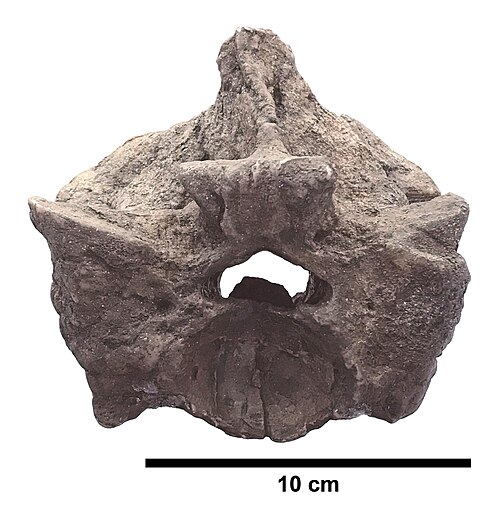
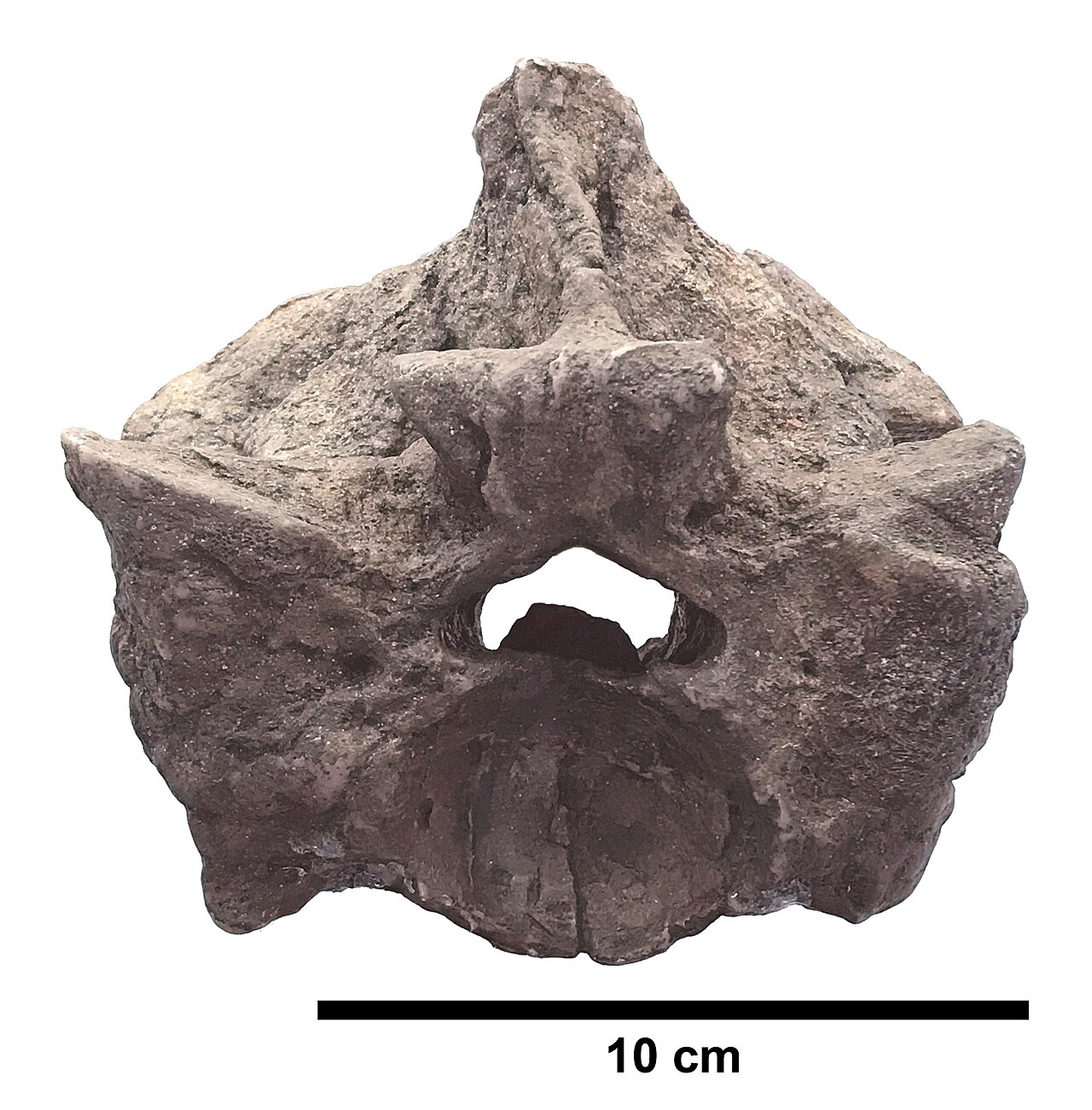
Licensed referenceGretarsson / CC BY 4.0 · cc-by
—observations
—countries
—peak records
ExtinctConservation statusIUCN Red List categoriesLCNTVUENCREWEXExtinctRed List categories, explained →
Diet & prey
- Carbonemys cofrinii
- Cerrejonisuchus improcerus
- Giant lungfish
Predators
Not available
ThreatsPost-Paleocene global cooling and loss of warm, swampy river networks
HabitatsNeotropical river basins, coastal swamps, and hyperthermal rainforest wetlands
Life spanEstimated 25–35 years
Size / weightNot available
Classification
- FamilyBoidae
- SpeciesTitanoboa cerrejonensis
Range data is not available yet.
Interaction riskLow
- Low
- Moderate
- High
- Very high
- Why interaction risk is low
- Extinct prehistoric species; fossil specimens pose no living hazard.
Responsible observation
- Museum Exhibits: Examine life-sized scale casts and genuine fossil vertebrae in major natural history collections.
- Paleoclimate Study: Compare its estimated body mass to Paleocene temperature data to understand reptile thermal physiology.
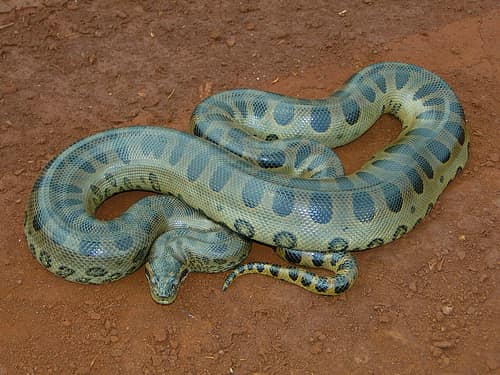
Ecological Counterpart MKAMPIS / CC BY-SA 4.0 · cc-by-sa Image unavailable
Prey Prey Fossil Contemporary 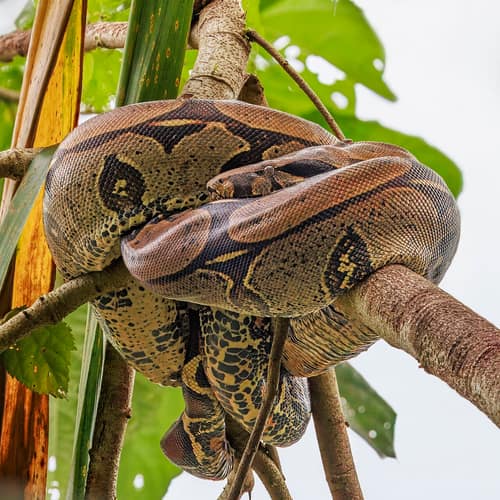
Family Member Charles J. Sharp / CC BY-SA 4.0 · cc-by-sa
Help improve the field guideSomething wrong?
Checking your Fauna account…Report a name, category, or profile issue for review.