
Mammal
Thylacosmilus atrox
Thylacosmilus atroxAlso known as Marsupial Saber-tooth, Pouched Saber-tooth, South American Saber-toothed Metatherian
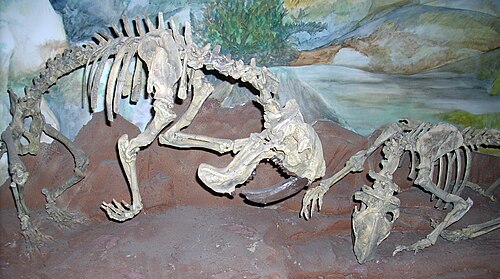
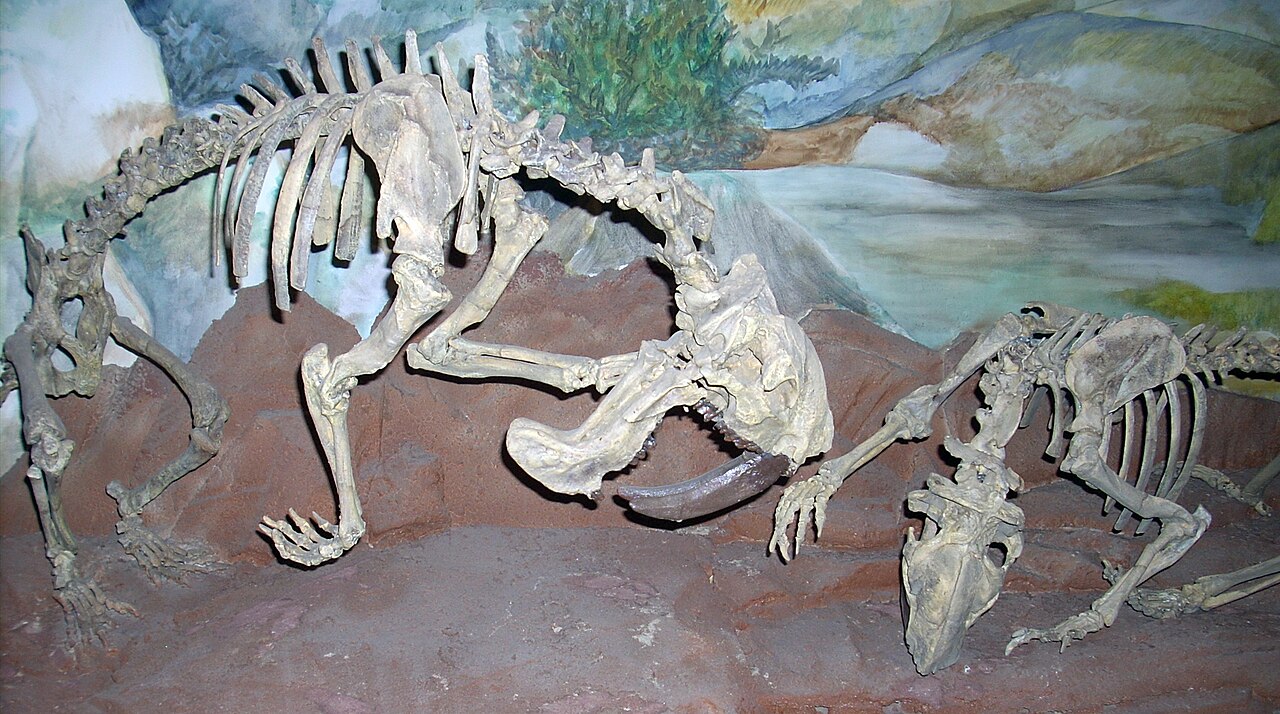
Thylacosmilus atrox roamed the open plains and woodlands of prehistoric South America as one of the most specialized mammalian carnivores ever discovered. Unlike true cats, this metatherian predator bore ever-growing canine tusks rooted deep above its eye sockets, which rested against pronounced bony flanges projecting downward from the lower jaw. Strong neck musculature and robust forelimbs allowed it to pin sizable ungulates before driving its blade-like teeth into soft tissue to deliver lethal strikes.
CarnivorousPrehistoric
—observations
—countries
—peak records
ExtinctConservation statusIUCN Red List categoriesLCNTVUENCREWEXExtinctRed List categories, explained →
Diet & preyNotoungulates, Litopterns, Armored xenarthrans
ThreatsClimate shifts, habitat fragmentation, and faunal turnover prior to the Great American Biotic Interchange
HabitatsSavannas, open woodlands, and scrublands of Late Miocene to Pliocene South America
Life spanEstimated 10–20 years
Classification
- FamilyThylacosmilidae
- GenusThylacosmilus
- SpeciesThylacosmilus atrox
Range data is not available yet.
Interaction riskHigh
- Low
- Moderate
- High
- Very high
- Why interaction risk is high
- Extinct prehistoric species known only from fossil remains.
Responsible observation
- Museum Exhibits: Inspect cast skulls in natural history exhibits to observe the dramatic protective jaw flanges.
- Fossil Identification: Study Late Miocene to Pliocene strata in northern Argentina where major fossils were excavated.
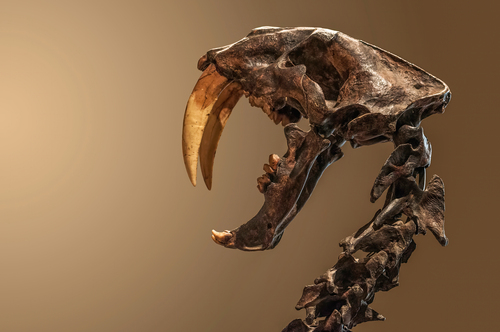
Convergent Look-alike (c) Wilfredor, some rights reserved (CC BY-SA) · cc-by-sa Image unavailable
Competitor 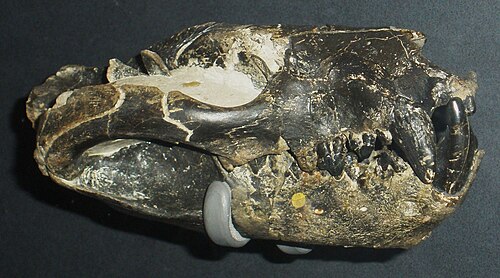
Extinct Relative Ghedoghedo / CC BY-SA 3.0 · cc-by-sa
Help improve the field guideSomething wrong?
Checking your Fauna account…Report a name, category, or profile issue for review.