
Species
Brontosaurus excelsus
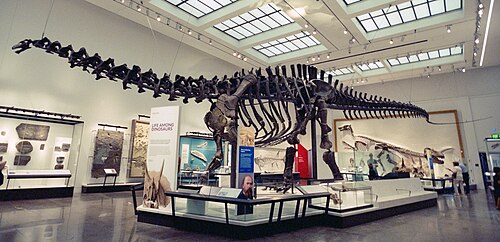
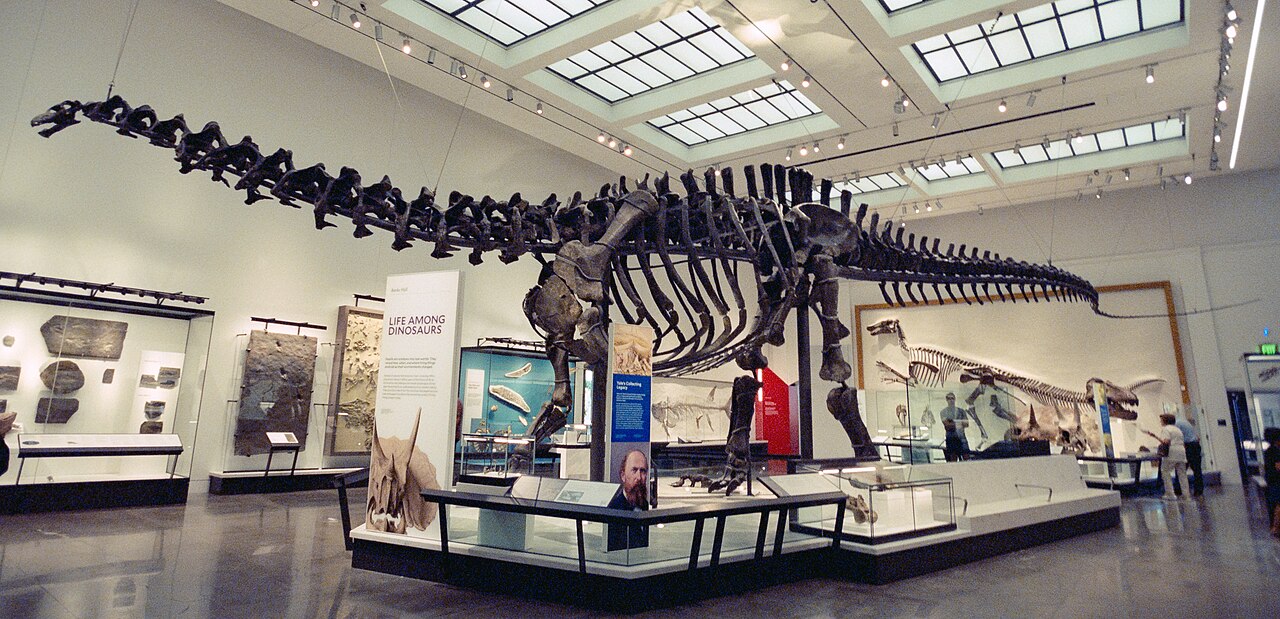
Brontosaurus excelsusBrontosaurus excelsus roamed the semi-arid floodplains of western North America during the Late Jurassic, using its massive pillar-like legs and robust neck to anchor a browsing lifestyle. High-spined neck vertebrae supported powerful elastic ligaments that allowed energy-efficient sweeps through low ferns, horsetails, and mid-level conifer canopies without moving its immense body. Its extraordinarily long, whiplash tail served both as a counterweight during locomotion and as an acoustic deterrent capable of breaking the sound barrier to deter predators.
PrehistoricHerbivoreSauropod
—observations
—countries
—peak records
ExtinctConservation statusIUCN Red List categoriesLCNTVUENCREWEXExtinctRed List categories, explained →
Diet & preyHerbivore (ferns, cycads, ginkgoes, and conifers)
Predators
- Allosaurus fragilis
- Torvosaurus tanneri
- Ceratosaurus nasicornis
ThreatsCarnivorous theropods and seasonal droughts
HabitatsSemi-arid floodplains, open woodlands, and river valleys
Life span50–100 years
Classification
- FamilyDiplodocidae
- SpeciesBrontosaurus excelsus
Range data is not available yet.
Interaction riskLow
- Low
- Moderate
- High
- Very high
- Why interaction risk is low
- Extinct species known only from fossils; safe to observe in museum exhibits.
Responsible observation
- Museum Viewing: Examine mounted skeletons to observe the heavy, downward-canted neck vertebrae.
- Field Paleontology: Explore public quarries in the Morrison Formation of Wyoming and Utah.
- Skull Details: Look for cast reconstructions on museum mounts, as true fossil skulls remain exceedingly rare.
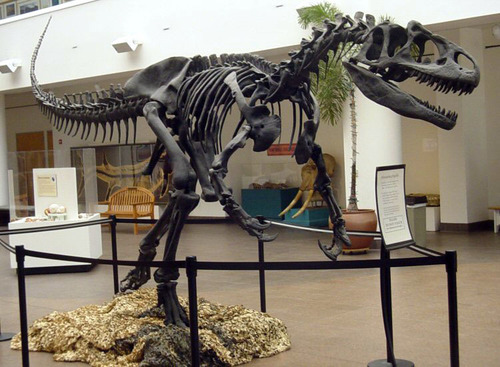
Predator (c) Allosaurus_SDNHM.jpg, some rights reserved (CC BY-SA) · cc-by-sa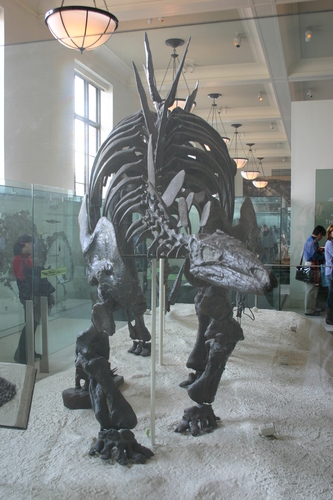
Frequent Companion (c) Ryan Somma, some rights reserved (CC BY-SA) · cc-by-sa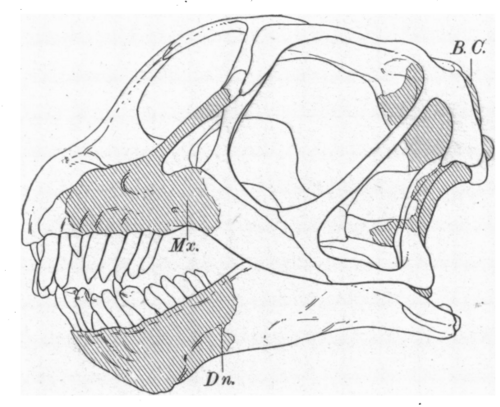
Competitor Henry Osborn, Charles Mook, ED Cope / Public domain · cc0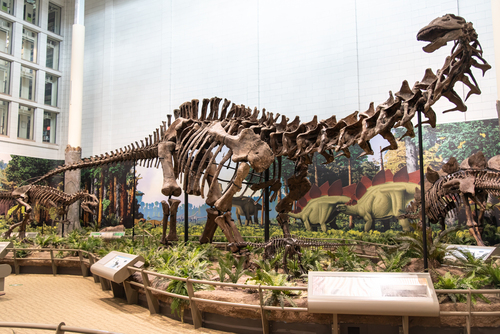
Close Relative (c) AbstractionBlue, some rights reserved (CC BY-SA) · cc-by-sa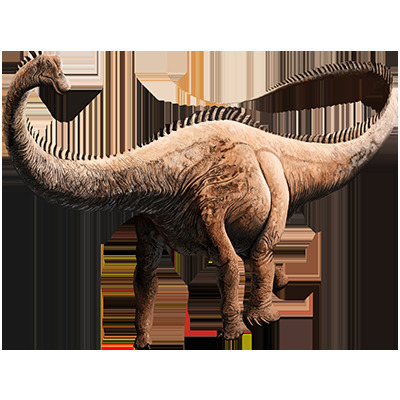
Close Relative (c) DataBase Center for Life Science (DBCLS), some rights reserved (CC BY) · cc-by
Help improve the field guideSomething wrong?
Checking your Fauna account…Report a name, category, or profile issue for review.