
Reptile · GBIF taxon 8570458
Atopodentatus unicus
Atopodentatus unicusAtopodentatus unicus cruised shallow, sunlit Triassic seas, using an unusual hammerhead-shaped rostrum lined with hundreds of fine, needle-like teeth to scrape benthic algae from submerged rock surfaces. Its discovery fundamentally revised paleontological understanding of Mesozoic marine ecosystems, proving that specialized marine reptile herbivory evolved just six million years after the catastrophic end-Permian extinction. Sturdy paddle-like limbs and dense, pachyostotic ribs provided neutral buoyancy and ballast, helping this distinctive grazer steady itself against currents while feeding along the seafloor.
PrehistoricMarineHerbivorous
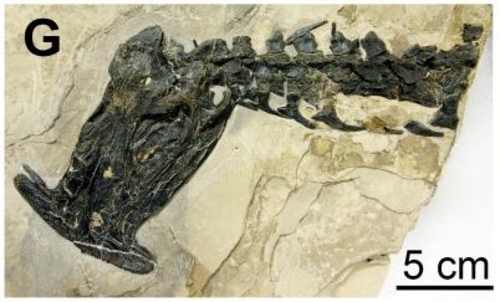
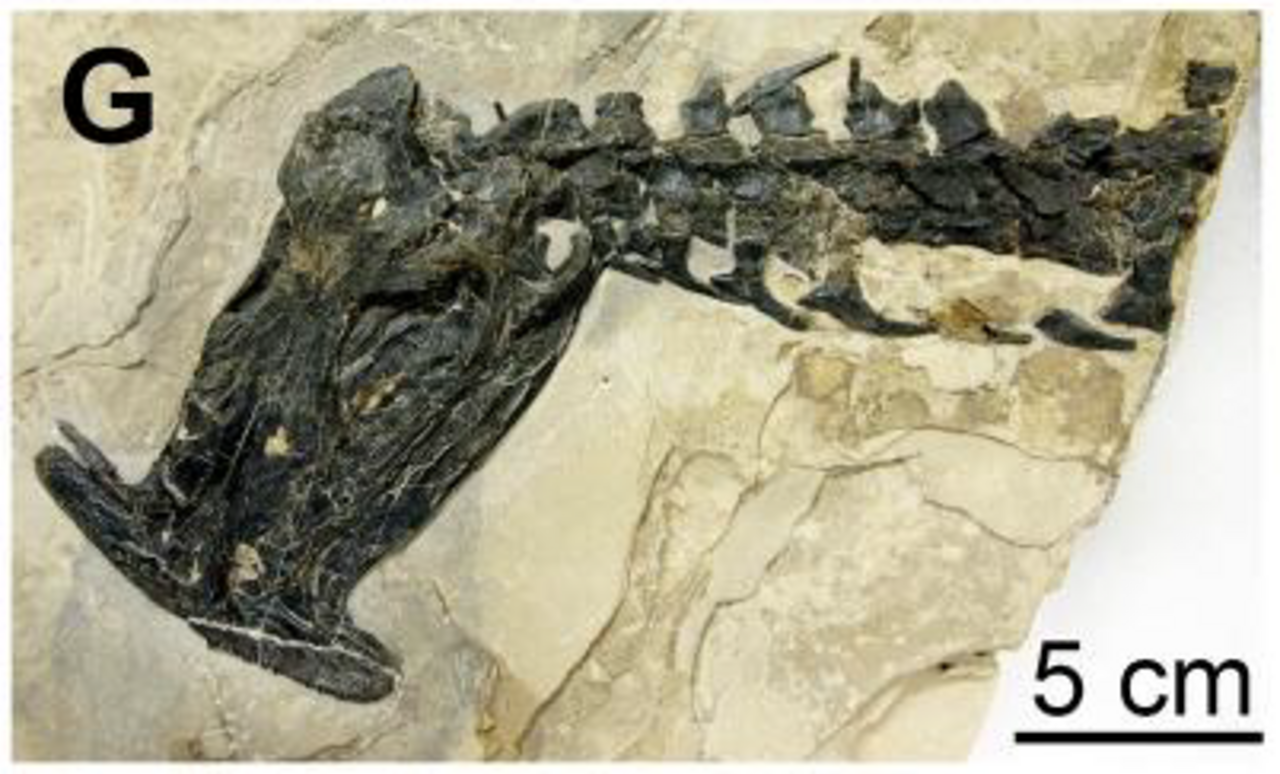
Licensed referenceS. N. F. Spiekman & M. D. Ezcurra / CC BY 4.0 · cc-by
—observations
—countries
—peak records
ExtinctConservation statusIUCN Red List categoriesLCNTVUENCREWEXExtinctRed List categories, explained →
Diet & prey
- Benthic algae
- Macroalgae
Predators
- Apex nothosaurs
- Early ichthyosaurs
- Hybodont sharks
ThreatsExtinct; Triassic ecological shifts and marine environmental changes
HabitatsWarm, shallow coastal marine waters and lagoons
Life spanEstimated 15–25 years
Classification
- FamilyAtopodentatidae
- GenusAtopodentatus
- SpeciesAtopodentatus unicus
Range data is not available yet.
Interaction riskLow
- Low
- Moderate
- High
- Very high
- Why interaction risk is low
- Extinct prehistoric species; known only from fossil remains.
Responsible observation
- Fossil study: Inspect high-resolution skull casts to see the comb-like rows of marginal teeth.
- Museum viewing: Look for articulated skeletons preserved in slab form from southwestern China.
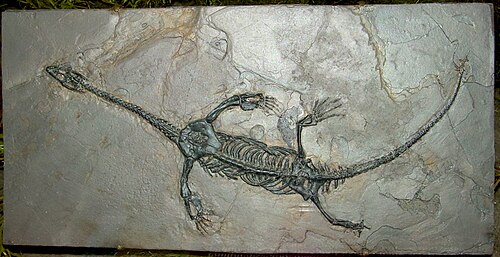
Neighbor Ninjatacoshell / CC BY-SA 3.0 · cc-by-sa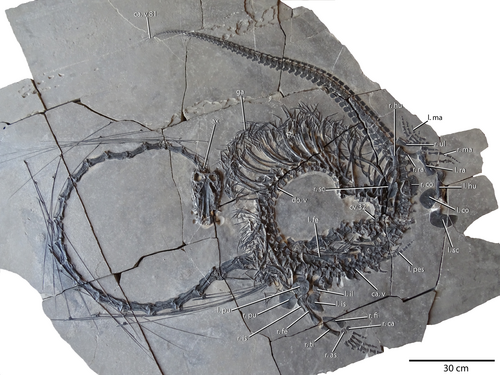
Neighbor S. N. F. Spiekman, W. Wang, L. Zhao, O. Rieppel, N. C. Fraser & C. Li / CC BY 4.0 · cc-by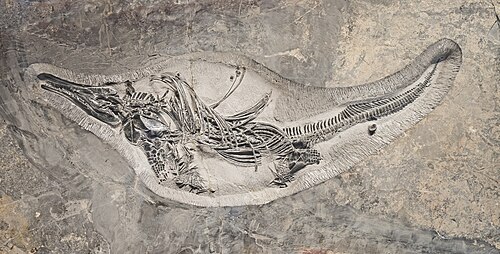
Competitor Didier Descouens / CC BY-SA 4.0 · cc-by-sa Image unavailable
Close Relative
Help improve the field guideSomething wrong?
Checking your Fauna account…Report a name, category, or profile issue for review.