
Reptile · GBIF taxon 8568628
Steppe Viper
Vipera renardiAlso known as Renard's Viper, Steppe Meadow Viper, Eurasian Steppe Viper
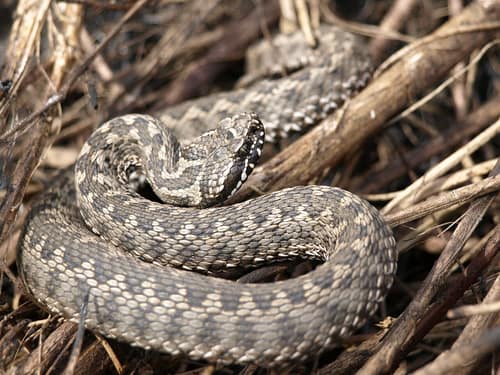
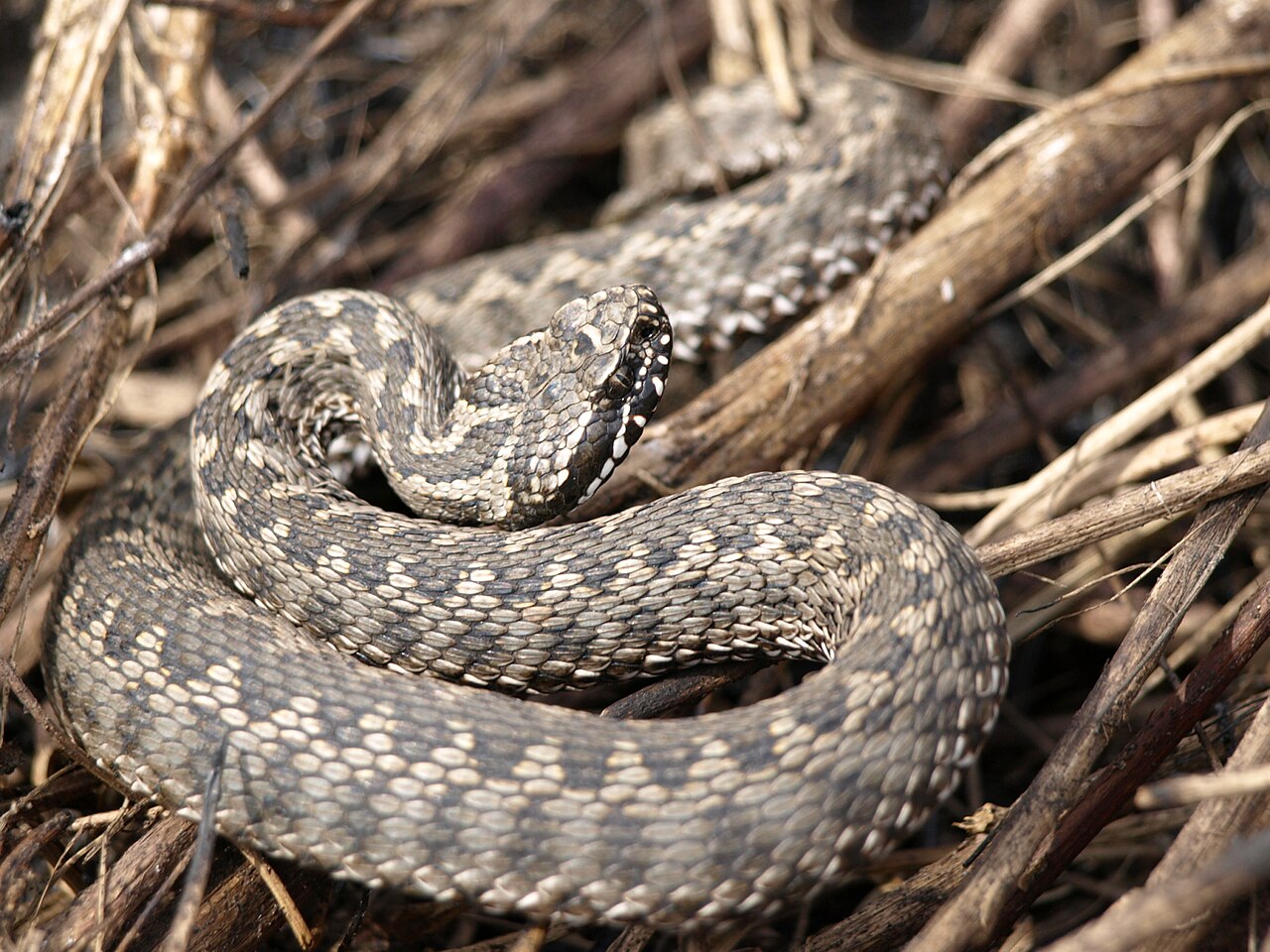
Steppe vipers are small, heavy-bodied vipers adapted to open grasslands and semi-arid steppes across Eastern Europe and Central Asia. They rely on cryptically patterned zigzag scales to blend into scrubby vegetation while ambush hunting insects, lizards, and small mammals. During colder months, individuals hibernate communally in underground rodent burrows to survive severe winter frosts.
VenomousGrasslandReptile
—observations
—countries
—peak records
Near ThreatenedConservation statusIUCN Red List categoriesLCNTVUENCREWEXNear ThreatenedRed List categories, explained →
Diet & prey
- Grasshoppers
- Lizards
- Voles
Predators
- Birds of prey
- Badgers
- Hedgehogs
ThreatsAgricultural expansion, habitat fragmentation, livestock overgrazing
HabitatsSteppes, dry grasslands, scrublands, semi-deserts
Life span10–15 years
Size / weightNot available
Classification
- FamilyViperidae
- SpeciesVipera renardi
Range data is not available yet.
Interaction riskVery high
- Low
- Moderate
- High
- Very high
- Why interaction risk is very high
- Possesses venom used for hunting; observe from a safe distance and never attempt to handle.
- Why it is dangerous
- Venom contains cytotoxic elements that cause severe pain, swelling, and localized tissue damage requiring prompt medical treatment.
- How to recognize a risky encounter
- Look for a small viper with a broad triangular head and a dark zigzag stripe down its grey or tan back.
- What to do
- Freeze and step back slowly if encountered. Never reach into dense grass or burrows in steppe terrain.
- What to notice
- Identified by its small size and distinct back markings in open lowland steppe habitats.
- Support conservation
- Keep observations non-intrusive and avoid damaging low scrub or digging out underground shelters.
Responsible observation
- Safe Distance: Remain at least two meters away to avoid triggering a defensive strike response.
- Footwear Choice: Wear tall leather boots and sturdy long pants when walking through dense steppe grass.
- Habitat Respect: Avoid disturbing rodent burrows where individuals take shelter or hibernate.
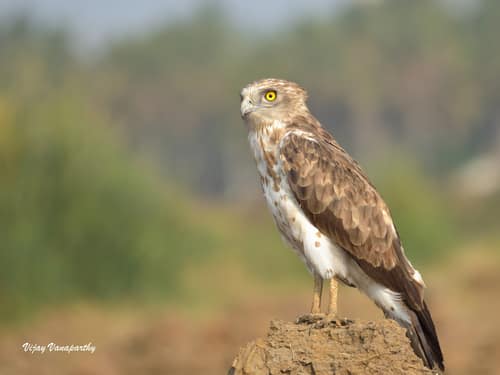
Predator (c) Vijay Vanaparthy, some rights reserved (CC BY), uploaded by Vijay Vanaparthy · cc-by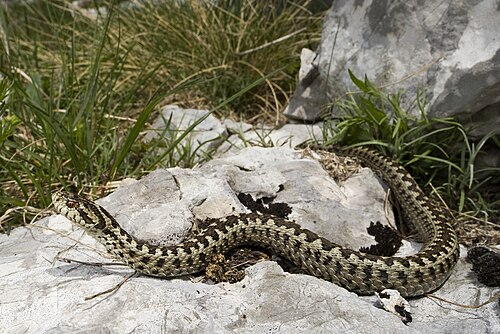
Close Relative Benny Trapp / CC BY 3.0 · cc-by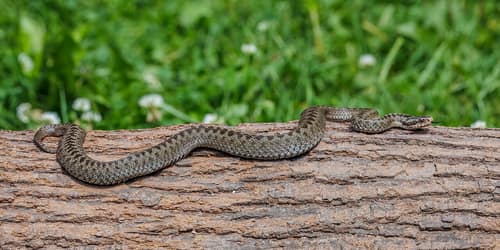
Close Relative Charles J. Sharp / CC BY-SA 4.0 · cc-by-sa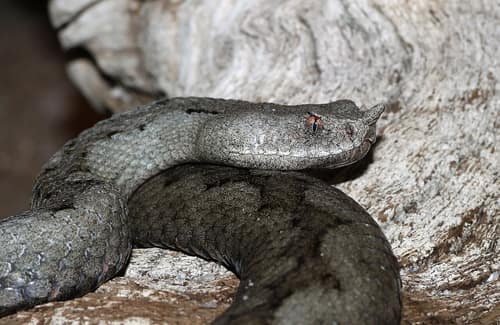
Close Relative Holger Krisp / CC BY 3.0 · cc-by
Help improve the field guideSomething wrong?
Checking your Fauna account…Report a name, category, or profile issue for review.