
Amphibian
Crassigyrinus scoticus
Crassigyrinus scoticusCrassigyrinus scoticus was an enigmatic predatory stem-tetrapod that patrolled the murky Carboniferous swamps and lakes of prehistoric Scotland. Its heavily streamlined body, tiny vestigial forelimbs, and enormous jaws equipped with two rows of sharp teeth made it a specialized ambush hunter in dark, low-oxygen waterways. Discovered in Scottish ironstone and oil shale deposits, its massive skull features enormous eye sockets that suggest it hunted in dim, silt-choked aquatic environments.
FossilPredatoryAquatic
—observations
—countries
—peak records
ExtinctConservation statusIUCN Red List categoriesLCNTVUENCREWEXExtinctRed List categories, explained →
Diet & preyPalaeoniscoid fish, Acanthodians, Juvenile stem-tetrapods
Predators
- Rhizodus hibberti
- Meganeurids
- Chondrichthyans
ThreatsPrehistoric environmental change and competitive replacement (extinct)
HabitatsCarboniferous freshwater lakes, coal swamps, and oxbow lagoons
Life spanUnknown
Classification
- FamilyCrassigyrinidae
- GenusCrassigyrinus
- SpeciesCrassigyrinus scoticus
Range data is not available yet.
Interaction riskLow
- Low
- Moderate
- High
- Very high
- Why interaction risk is low
- Extinct fossil species; entirely safe to examine in museum collections and research facilities.
Responsible observation
- Museum Viewing: Examine fossil casts and skull specimens at the National Museum of Scotland in Edinburgh.
- Field Paleontology: Follow local fossil-collecting codes and leave specimens in situ at sensitive quarry sites.
- Identification: Note the disproportionately huge eyes and severely reduced forelimbs on mounted skeletons.
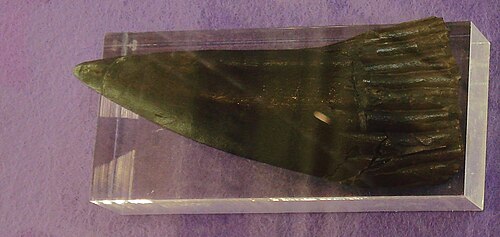
Predator Ghedoghedo / CC BY-SA 3.0 · cc-by-sa Image unavailable
Related Tetrapod Contemporary Neighbor Early Relative
Help improve the field guideSomething wrong?
Checking your Fauna account…Report a name, category, or profile issue for review.