
Reptile
Terrestrisuchus gracilis
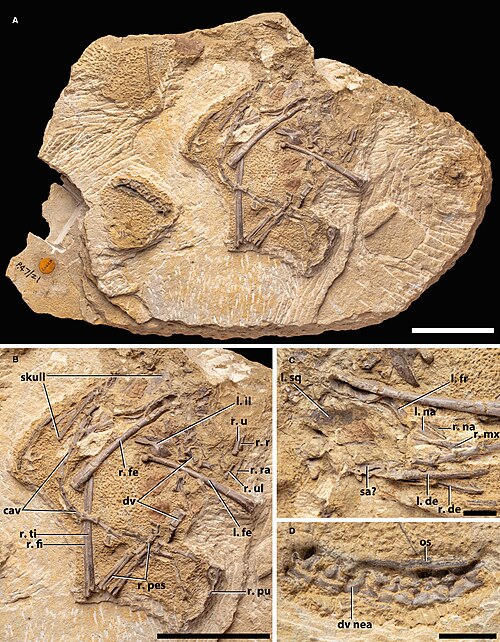
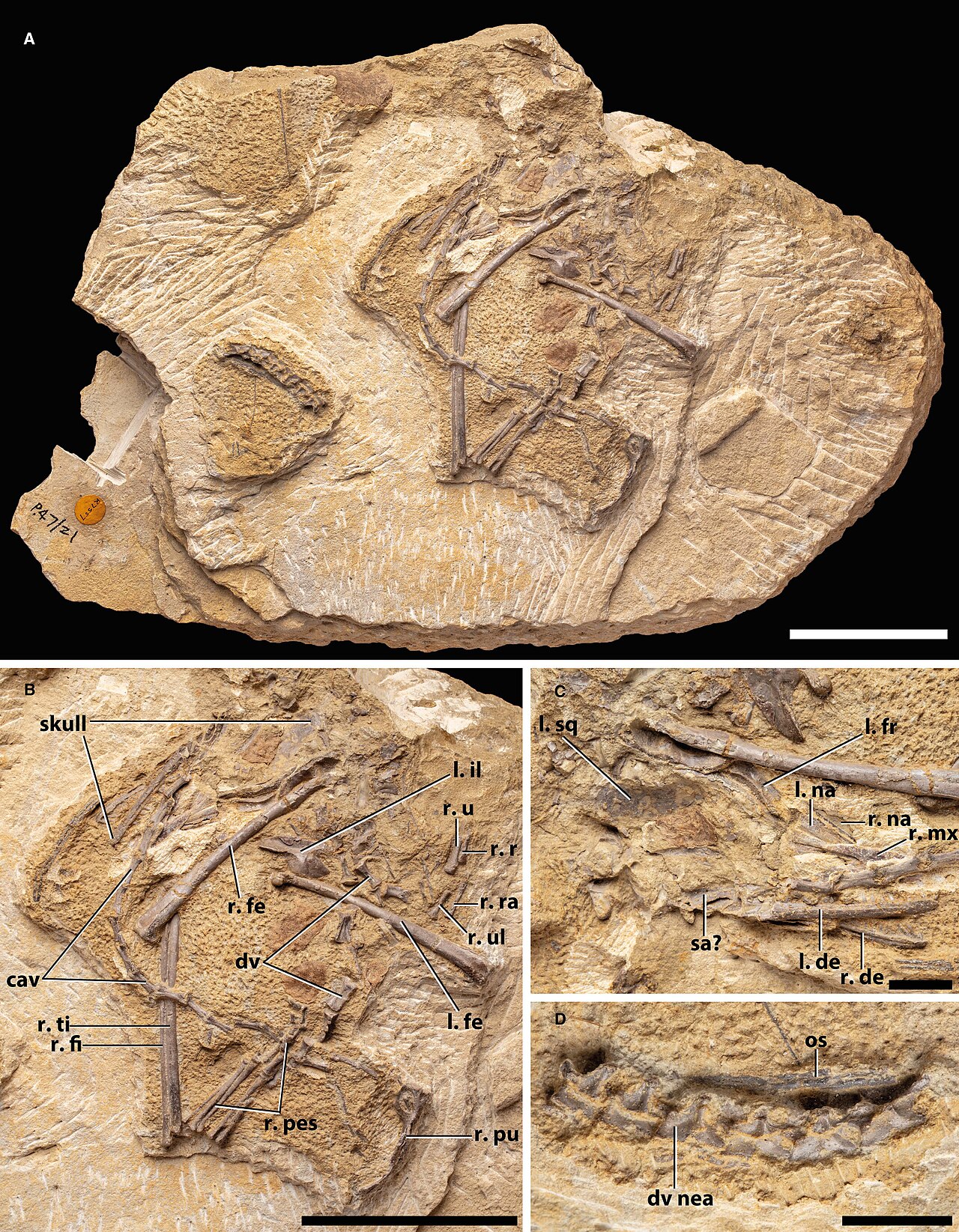
Terrestrisuchus gracilisTerrestrisuchus gracilis sprinted on exceptionally long, slender limbs through the ancient island scrublands of Late Triassic Britain, pursuing prey entirely on dry land. Its delicate skull housed sharp, serrated teeth specialized for snapping up insects and small reptiles with speed and precision. Abundant fossil skeletons preserved inside limestone fissures provide an exceptional look at a cursorial lifestyle far removed from modern semi-aquatic crocodilians.
PrehistoricCarnivorousTerrestrial
—observations
—countries
—peak records
ExtinctConservation statusIUCN Red List categoriesLCNTVUENCREWEXExtinctRed List categories, explained →
Diet & preyRhynchocephalians, Early lizards, Large insects
Predators
- Larger predatory archosaurs
- Early theropod dinosaurs
ThreatsTriassic-Jurassic extinction event and rising sea levels
HabitatsTropical karst island scrublands and low-lying coastal forests
Life spanUnknown (estimated 5–10 years)
Classification
- FamilySaltoposuchidae
- GenusTerrestrisuchus
- SpeciesTerrestrisuchus gracilis
Range data is not available yet.
Interaction riskLow
- Low
- Moderate
- High
- Very high
- Why interaction risk is low
- Extinct prehistoric reptile known only from Late Triassic fossil deposits.
Responsible observation
- Museum Exhibits: Look for articulated skeletons and skull casts in British geological collections.
- Fossil Sites: Observe exposed karst limestone quarries in South Wales to understand its paleoenvironment.
 Image unavailable
Neighbor Prey Close Relative
Help improve the field guideSomething wrong?
Checking your Fauna account…Report a name, category, or profile issue for review.