
Species
Tarbosaurus
Tyrannosaurus luanchuanensisAlso known as Asian T-Rex, Mongolian Tyrannosaur, Tarbosaur
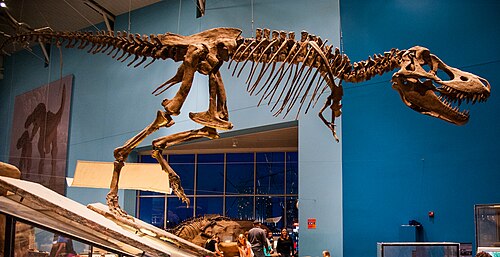
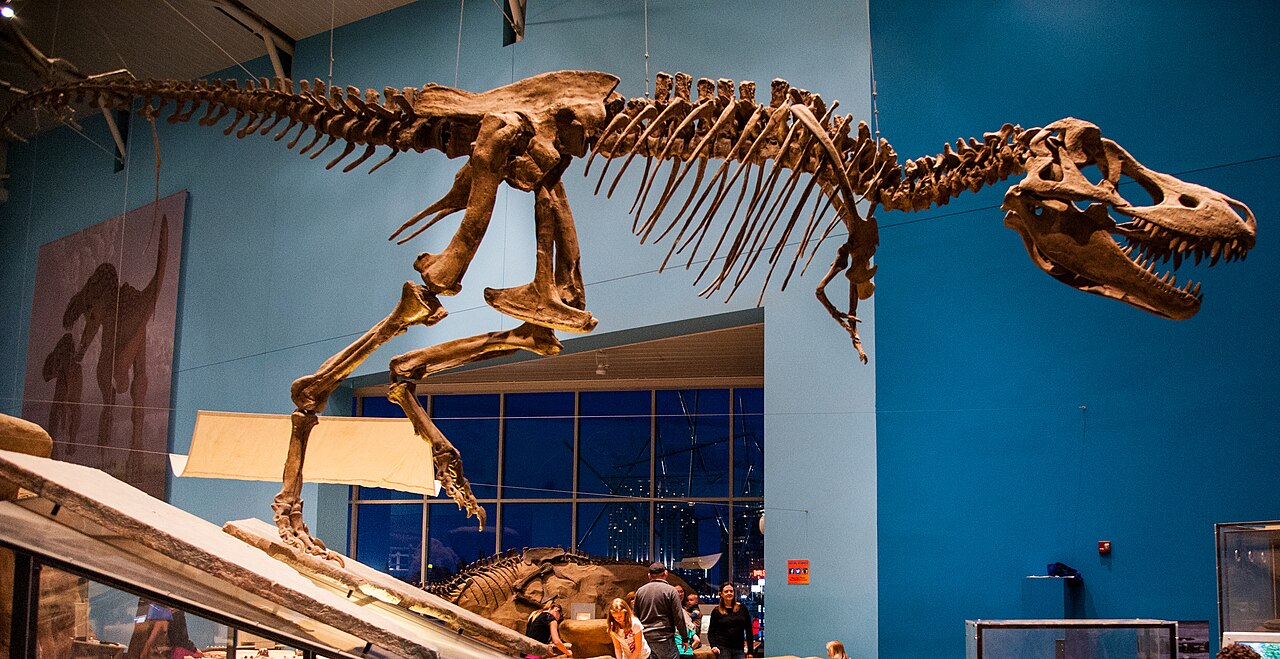
Tarbosaurus reigned as the apex predator of Late Cretaceous Asia, stalking braided river channels and floodplain forests for massive sauropods and duck-billed hadrosaurs. Highly rigid lower jaws and reinforced cranial joints allowed it to exert bone-shattering bite forces, even exceeding the structural stress tolerance of some larger relatives. Despite its immense size, its forelimbs were reduced to tiny, two-clawed vestiges, shifting nearly all hunting effort to its massive, heavily muscled neck and jaws.
PrehistoricApex PredatorBipedal
—observations
—countries
—peak records
ExtinctConservation statusIUCN Red List categoriesLCNTVUENCREWEXExtinctRed List categories, explained →
Diet & preySaurolophus angustirostris, Nemegtosaurus mongoliensis, Deinocheirus mirificus
ThreatsCretaceous-Paleogene extinction event, environmental change
HabitatsHumid river floodplains, channel networks, and seasonal wetlands
Life span25–30 years
Classification
- FamilyTyrannosauridae
- SpeciesTyrannosaurus luanchuanensis
Range data is not available yet.
Interaction riskLow
- Low
- Moderate
- High
- Very high
- Why interaction risk is low
- Extinct species known only from fossils; safe to observe mounted museum skeletons.
Responsible observation
- Museum Viewing: Visit paleontology collections to inspect the rigid jaw sutures that withstood tremendous bite forces.
- Fossil Ethics: Leave field fossil discoveries untouched and report coordinates to licensed paleontologists.
- Skeletal Anatomy: Observe the heavily reduced forelimbs, which are even smaller proportionally than those of Tyrannosaurus rex.
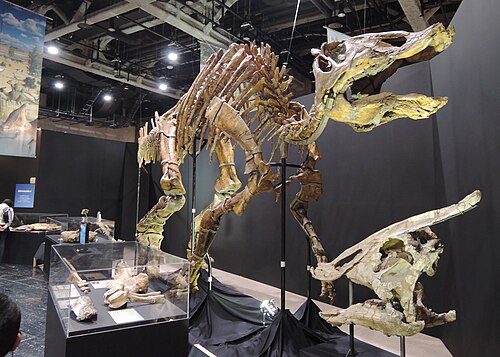
Prey Yuya Tamai from Gifu, Japan / CC BY 2.0 · cc-by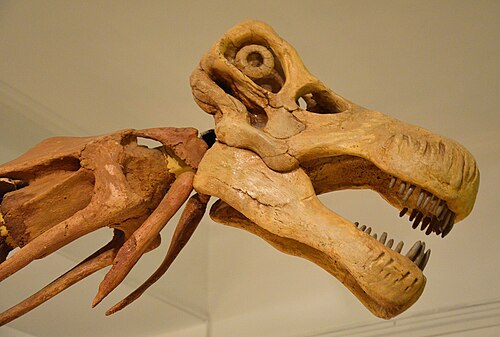
Prey Adrian Grycuk / CC BY-SA 3.0 pl · cc-by-sa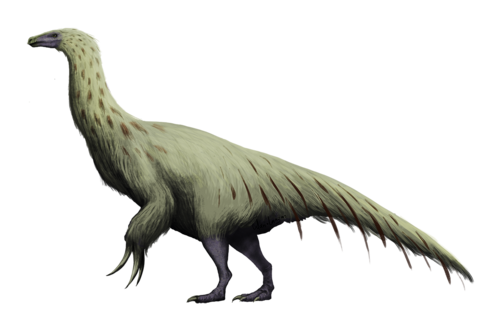
Neighbor (c) Mariolanzas, some rights reserved (CC BY-SA) · cc-by-sa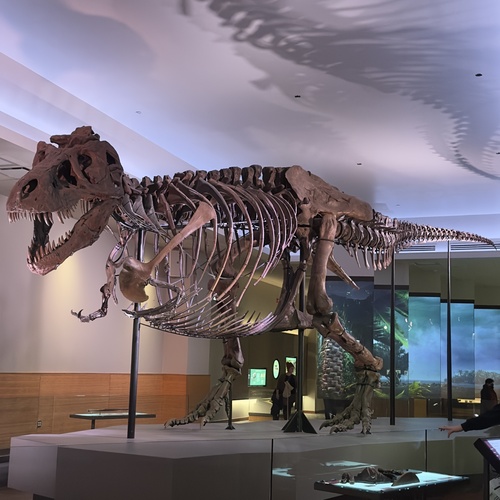
Close Relative no rights reserved, uploaded by wilderbombyx · cc0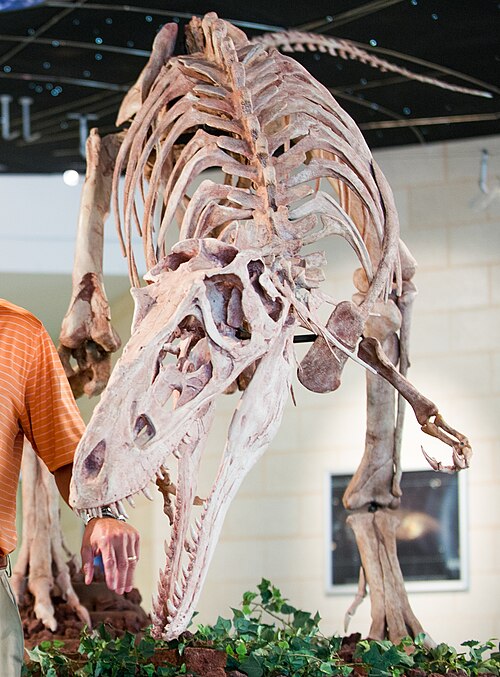
Same Family Texas A&M University-Commerce Marketing Communications Photography / CC BY 2.0 · cc-by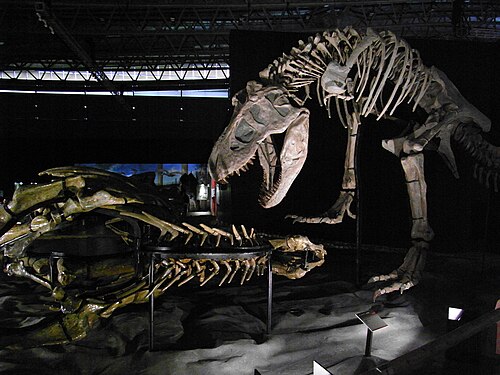
Close Relative ★Kumiko★ from Tokyo, Japan / CC BY-SA 2.0 · cc-by-sa
Help improve the field guideSomething wrong?
Checking your Fauna account…Report a name, category, or profile issue for review.