
Amphibian
Diploceraspis burkei
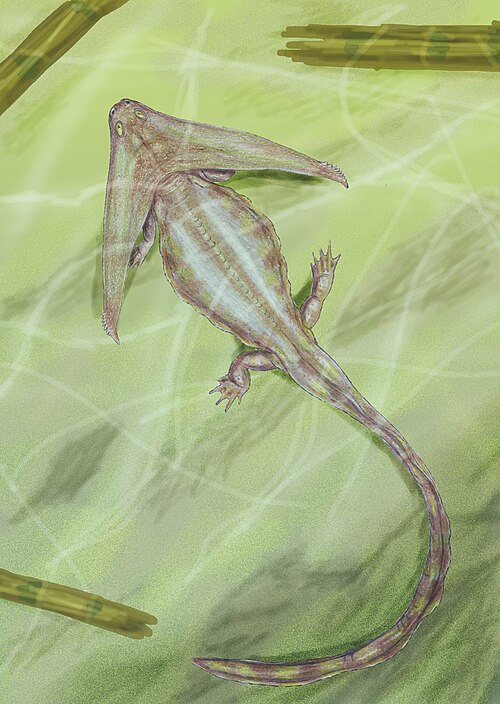
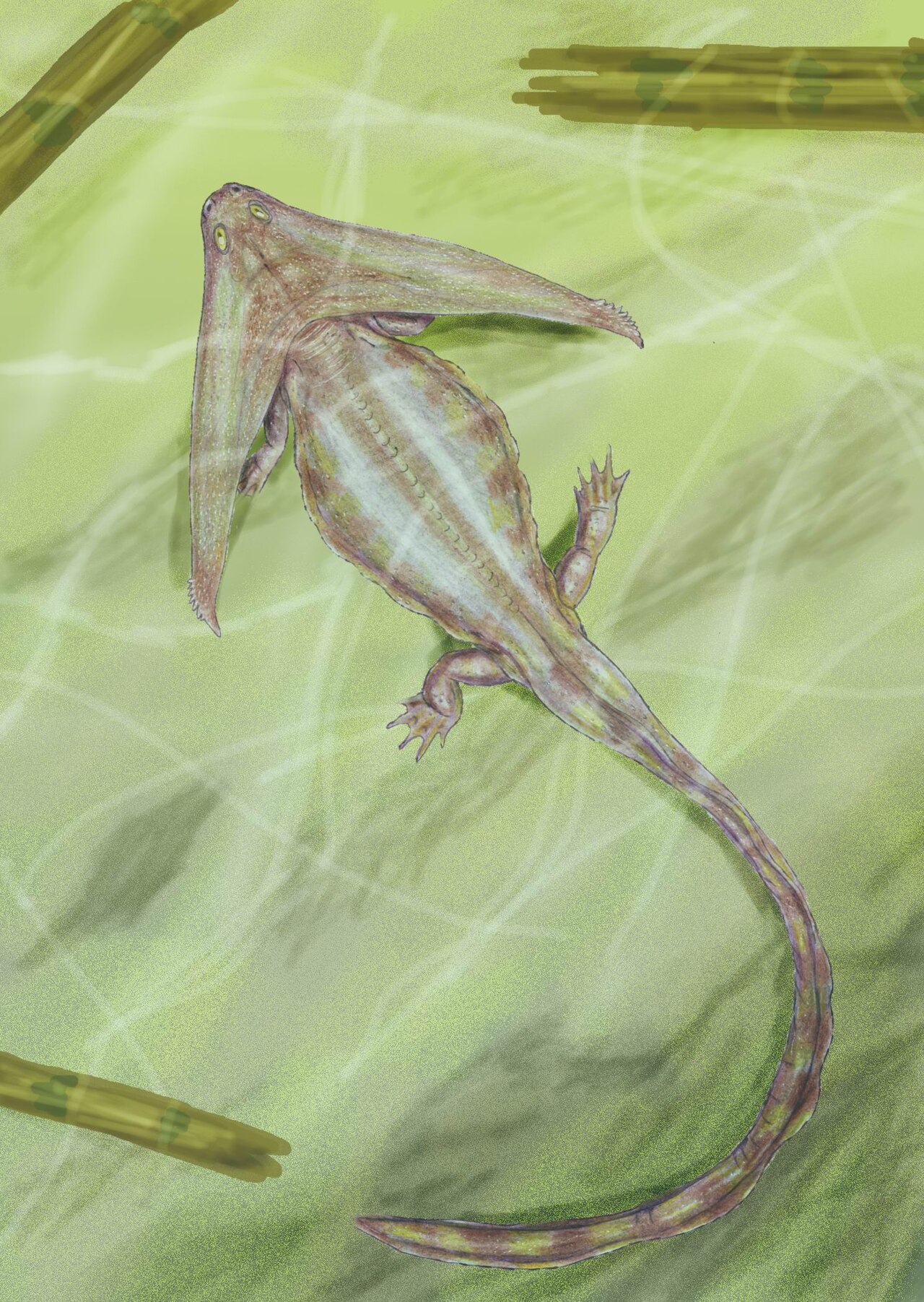
Diploceraspis burkeiDiploceraspis burkei was a small aquatic nectridean equipped with dramatic tabular horns that swept backward from the sides of its head, creating a distinctive boomerang-shaped skull. These hydrodynamic horn structures generated lift as the creature swam and may have made it difficult for predatory freshwater fish or larger amphibians to swallow. It lived in murky Permian riverbeds and oxbow pools across what is now North America, likely resting on muddy bottoms to ambush swimming prey.
CarnivoreAquatic
—observations
—countries
—peak records
ExtinctConservation statusIUCN Red List categoriesLCNTVUENCREWEXExtinctRed List categories, explained →
Diet & preyPalaeoniscoid fish, Small aquatic amphibians, Invertebrates
Predators
- Eryops megacephalus
- Xenacanthus
- Dimetrodon
ThreatsClimatic aridification, seasonal drying of water systems, and apex predators
HabitatsPermian freshwater swamps, oxbow lakes, and sluggish river channels
Life span5–15 years (estimated)
Classification
- FamilyDiplocaulidae
- SpeciesDiploceraspis burkei
Range data is not available yet.
Interaction riskLow
- Low
- Moderate
- High
- Very high
- Why interaction risk is low
- Extinct; known only from Permian fossil deposits.
Responsible observation
- Fossil Examination: Inspect skull slabs in paleontology collections to see the porous, well-vascularized bone.
- Field Etiquette: Report in situ Permian fossil discoveries directly to academic institutions without excavation.
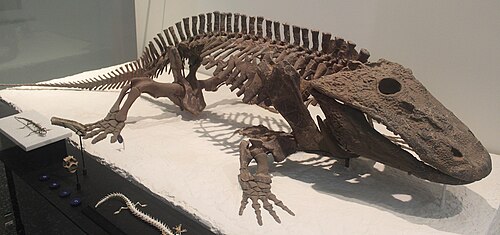
Predator jonathan Chen / CC BY-SA 4.0 · cc-by-sa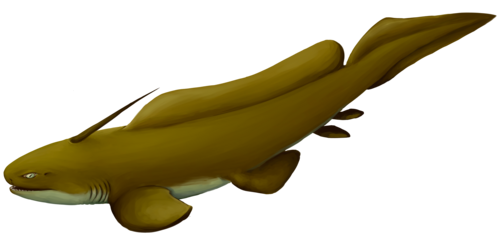
Predator Gasmasque / CC BY 4.0 · cc-by Image unavailable
Close Relative
Help improve the field guideSomething wrong?
Checking your Fauna account…Report a name, category, or profile issue for review.