
Mammal
Megaconus mammaliaformis
Megaconus mammaliaformisMegaconus mammaliaformis was a squat, ground-dwelling proto-mammal that walked with an ambulatory, somewhat waddling gait reminiscent of modern rock hyraxes or armadillos. Its fossil skeleton preserves evidence of dense fur along with keratinous heel spurs similar to those seen in modern male platypuses, suggesting ancestral chemical defenses or mating rituals. Specialised grinding molars with tall, interlocking cusps allowed it to crush tough Middle Jurassic vegetation, marking one of the earliest transitions to herbivory among early mammalian lineages.
FossilHerbivore
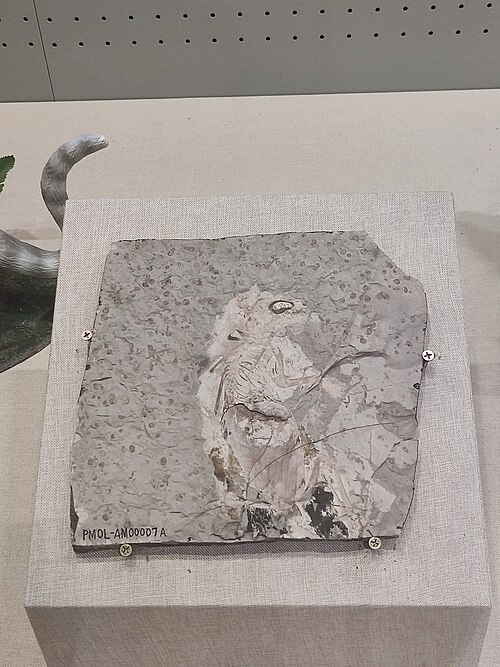
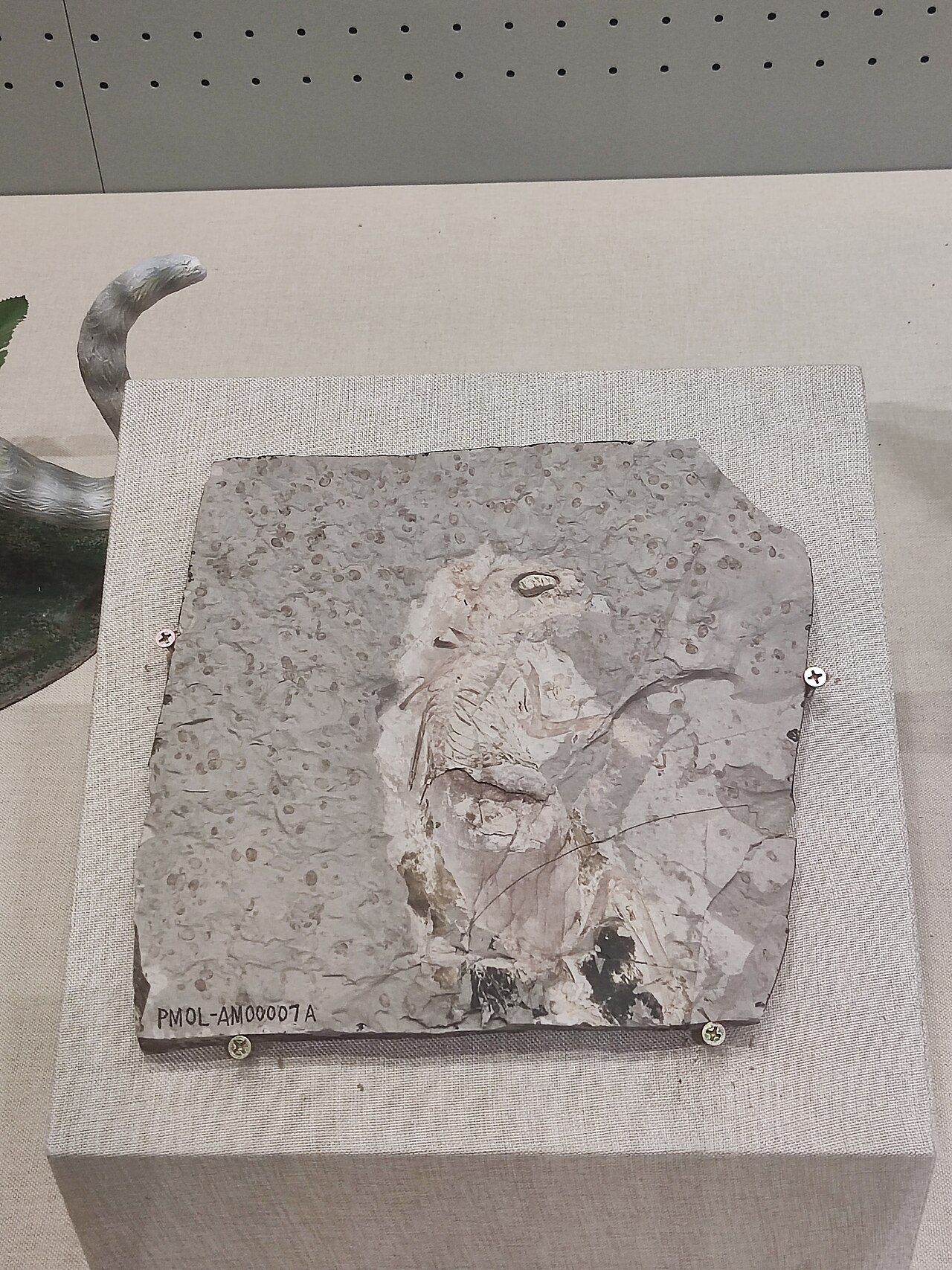
—observations
—countries
—peak records
ExtinctConservation statusIUCN Red List categoriesLCNTVUENCREWEXExtinctRed List categories, explained →
Diet & preyGymnosperm seeds, Fern fronds, Conifer foliage
Predators
- Small theropod dinosaurs
- Early pterosaurs
- Terrestrial crocodylomorphs
ThreatsNatural extinction during the Mesozoic era
HabitatsTemperate Jurassic forests and lakeside woodlands
Life spanUnknown (estimated 3–7 years in life)
Classification
- FamilyEleutherodontidae
- GenusMegaconus
- SpeciesMegaconus mammaliaformis
Range data is not available yet.
Interaction riskLow
- Low
- Moderate
- High
- Very high
- Why interaction risk is low
- Extinct fossil species; safe to study in museum collections.
Responsible observation
- Museum Viewing: Examine cast specimens in paleontological exhibits to observe the delicate heel spurs and hair impressions.
- Fossil Research: Look at high-resolution CT scans in academic literature to inspect the complex multi-cusped molar teeth.
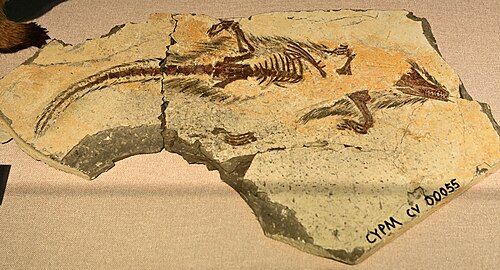
Neighbor Jonathan Chen / CC BY 4.0 · cc-by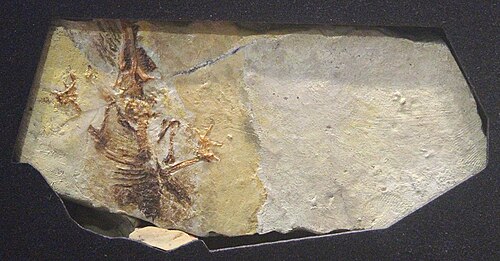
Neighbor Jonathan Chen / CC BY-SA 4.0 · cc-by-sa Image unavailable
Close Relative
Help improve the field guideSomething wrong?
Checking your Fauna account…Report a name, category, or profile issue for review.