
Amphibian · GBIF taxon 8488930
Eocaecilia micropodia
Eocaecilia micropodiaEocaecilia micropodia is an evolutionary milestone representing the stem lineage of modern caecilians, preserving tiny vestigial limbs and functional eyes long before the group lost their appendages entirely. Fossils from the Early Jurassic floodplains of North America show heavily ossified skulls and specialized jaws engineered to tunnel through moist substrates in search of underground prey. Their well-developed orbits and rudimentary tentacle grooves reveal a pivotal transition from surface-dwelling ancestors to dedicated subterranean burrowers.
PrehistoricFossilBurrowing
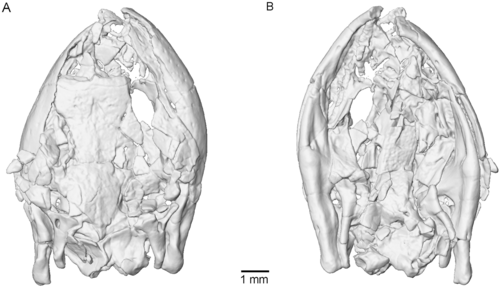
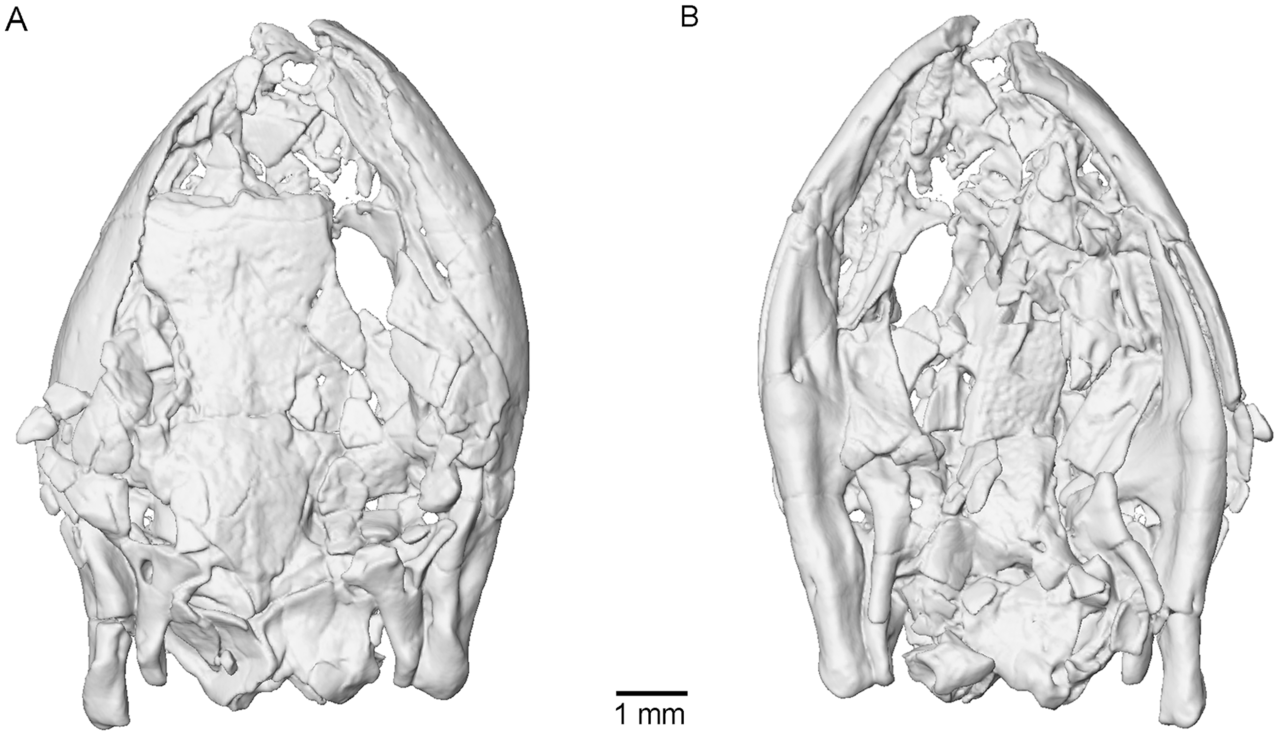
—observations
—countries
—peak records
ExtinctConservation statusIUCN Red List categoriesLCNTVUENCREWEXExtinctRed List categories, explained →
Diet & prey
- Soft-bodied invertebrates
- Insect larvae
- Early subterranean worms
Predators
- Early crocodylomorphs
- Small theropod dinosaurs
- Early cynodonts
ThreatsNatural prehistoric extinction events and changing paleoenvironments
HabitatsPrehistoric riparian floodplains and moist subterranean burrows
Life span5–10 years (estimated)
Classification
- OrderGymnophiona
- FamilyEocaeciliaidae
- GenusEocaecilia
- SpeciesEocaecilia micropodia
Range data is not available yet.
Interaction riskLow
- Low
- Moderate
- High
- Very high
- Why interaction risk is low
- Safe to observe at a normal distance.
Responsible observation
- Museum Specimens: Examine fossil casts in natural history collections to view the tiny limb bones.
- Fossil Etiquette: Leave any uncollected specimens in bedrock for professional paleontological study.
 Image unavailable
Co-occurring Fossil 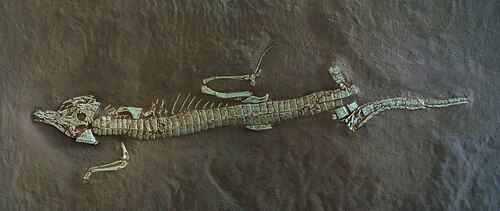
Predator Smokeybjb / CC BY-SA 3.0 · cc-by-saClose Relative 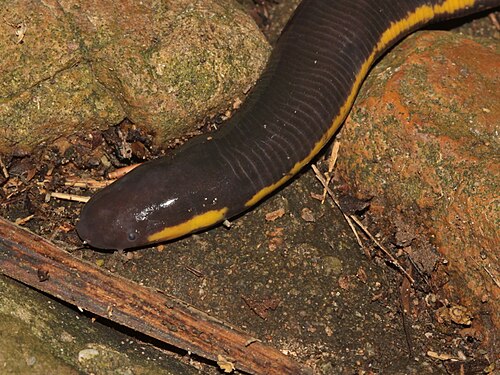
Modern Relative ian_dugdale / CC BY 4.0 · cc-by
Help improve the field guideSomething wrong?
Checking your Fauna account…Report a name, category, or profile issue for review.