
Reptile
Longisquama insignis
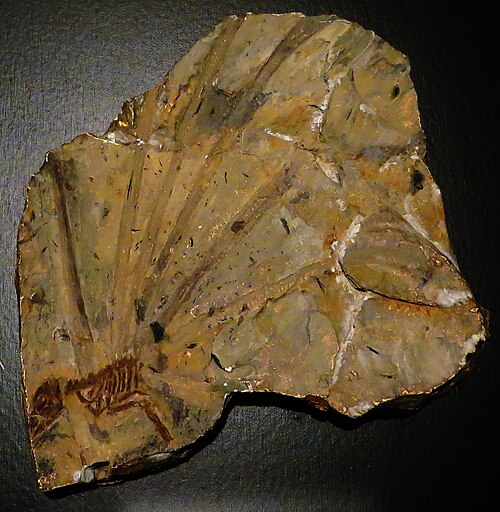
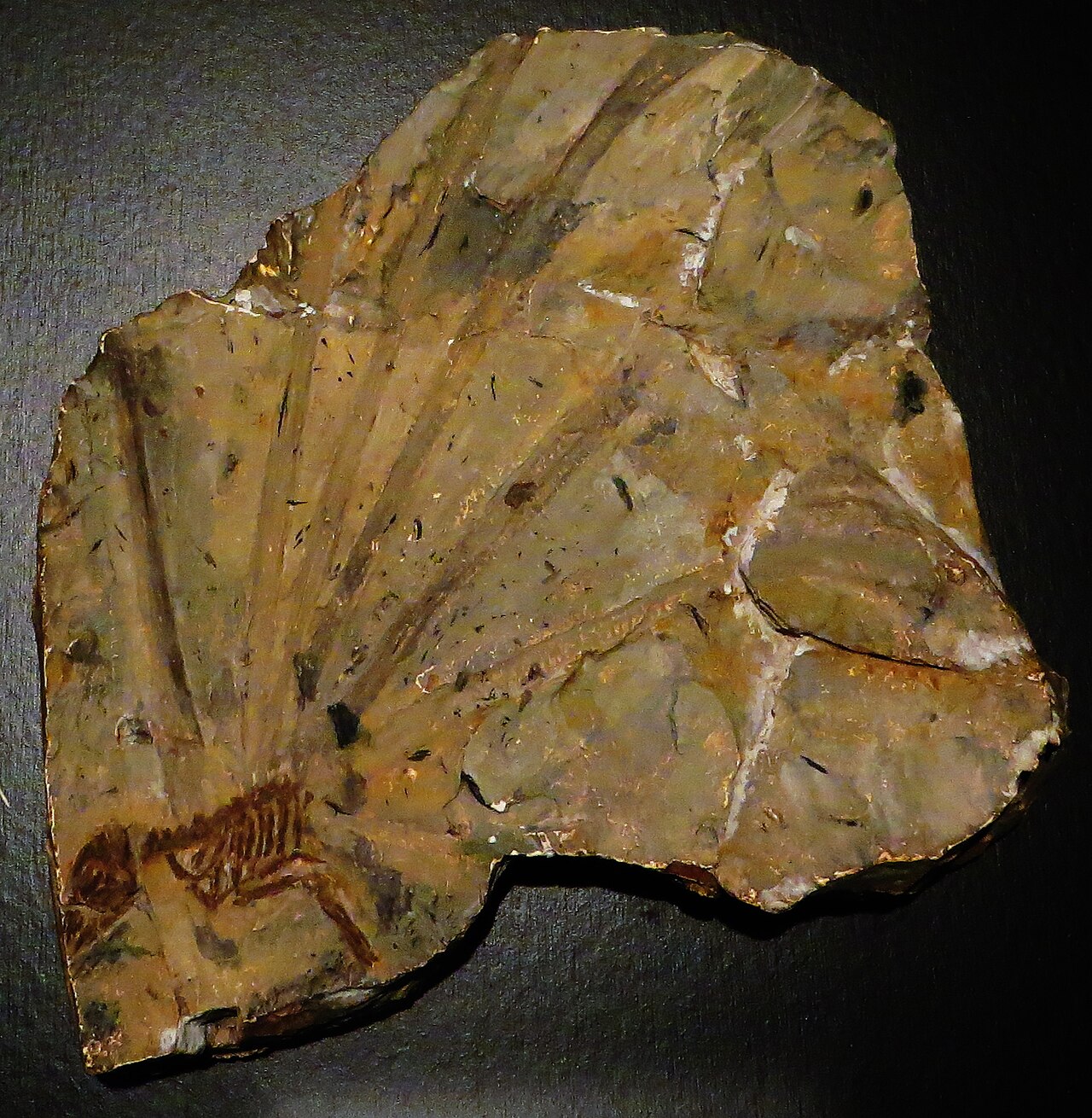
Longisquama insignisLongisquama was a tiny arboreal reptile that darted through the lake-edge forests of Triassic Central Asia over 230 million years ago. It is famous for a dramatic row of tall, hockey-stick-shaped integumentary appendages rising from its spine, which served primarily as vibrant socio-sexual display structures. Slender limbs and sharp conical teeth suggest an agile climber adept at gleaning insects from tree trunks and branches.
FossilPrehistoric
—observations
—countries
—peak records
ExtinctConservation statusIUCN Red List categoriesLCNTVUENCREWEXExtinctRed List categories, explained →
Diet & preyEarly beetles, Cockroach ancestors, Small arachnids
Predators
- Carnivorous archosaurs
- Temnospondyl amphibians
- Early crocodylomorphs
ThreatsCarnivorous archosauromorphs and mid-Triassic climatic shifts
HabitatsTriassic lacustrine shores, riparian forests, and lush floodplains
Life spanEstimated 3–8 years
Classification
- FamilyLagosuchidae
- GenusLongisquama
- SpeciesLongisquama insignis
Range data is not available yet.
Interaction riskLow
- Low
- Moderate
- High
- Very high
- Why interaction risk is low
- Extinct prehistoric species known exclusively from fossil impressions.
Responsible observation
- Fossil study: Examine high-resolution casts or scans to see the hollow dorsal vanes.
- Paleoart review: Compare evolving display models against older gliding hypotheses.
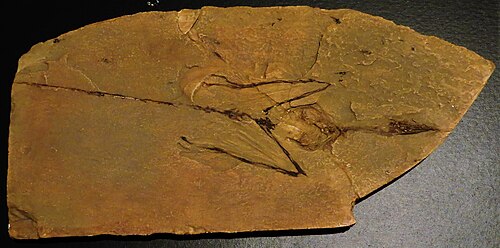
Ecological Neighbor Ghedoghedo / CC BY-SA 4.0 · cc-by-sa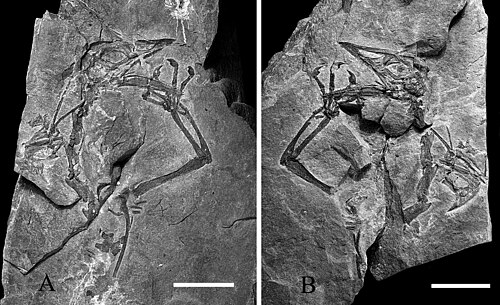
Close Relative Renesto, S. e Dalla Vecchia, F. M. / CC BY-SA 3.0 · cc-by-sa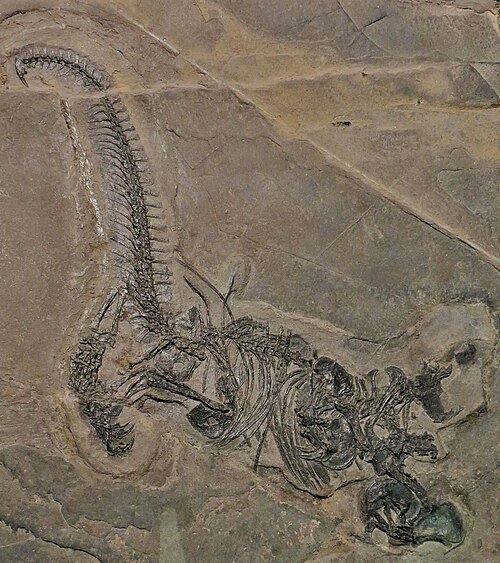
Close Relative Ghedoghedo / CC BY-SA 3.0 · cc-by-sa
Help improve the field guideSomething wrong?
Checking your Fauna account…Report a name, category, or profile issue for review.