
Amphibian
Kotlassia prima
Kotlassia primaKotlassia prima was a low-slung, predatory tetrapod that prowled river systems and lake shores across Late Permian European Russia. Its elongated, salamander-like body was armored along the back with rows of bony dermal scutes, providing protection against larger terrestrial carnivores. Retaining aquatic adaptations such as lateral line grooves, it spent much of its life patrolling shallow waters to ambush fish and smaller tetrapods before perishing in the end-Permian extinction.
PrehistoricFossilCarnivore
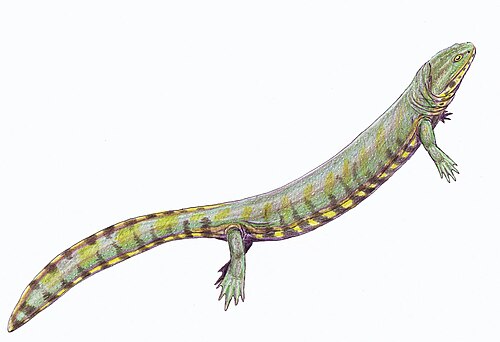
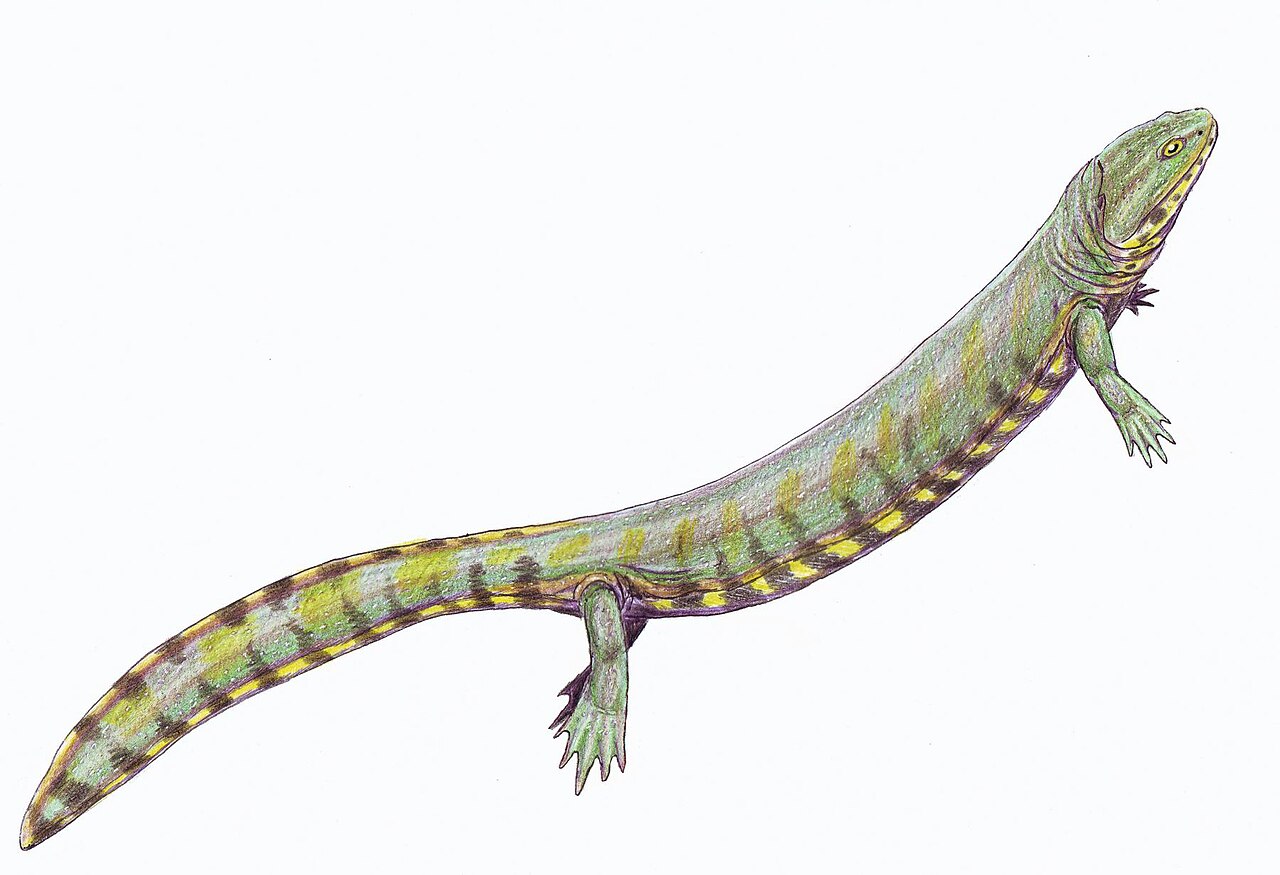
—observations
—countries
—peak records
ExtinctConservation statusIUCN Red List categoriesLCNTVUENCREWEXExtinctRed List categories, explained →
Diet & preyPalaeoniscum fish, Karpinskiosaurus secundus, Aquatic invertebrates
Predators
- Inostrancevia alexandri
- Annatherapsidus petri
ThreatsExtinction during the Permian-Triassic extinction event
HabitatsPermian rivers, oxbow lakes, and wetland margins
Life spanUnknown (estimated 10–20 years)
Classification
- FamilyKotlassiidae
- SpeciesKotlassia prima
Range data is not available yet.
Interaction riskLow
- Low
- Moderate
- High
- Very high
- Why interaction risk is low
- Extinct species; known only from Late Permian fossil deposits.
Responsible observation
- Museum viewing: Examine fossil casts in natural history museums to observe the preserved dorsal armor scutes.
- Fossil identification: Look for lateral line canals on the skull roof, indicating its aquatic sensory abilities.
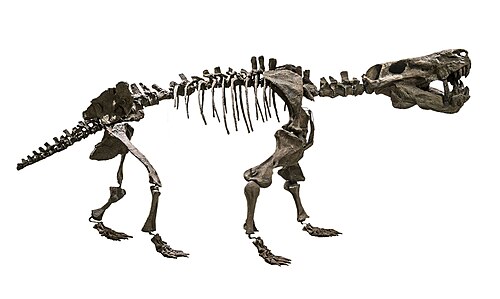
Predator Wikimedia Commons / CC BY-SA 3.0 · cc-by-sa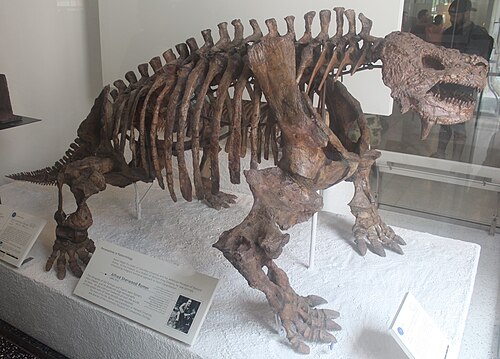
Neighbor Jonathan Chen / CC BY-SA 4.0 · cc-by-sa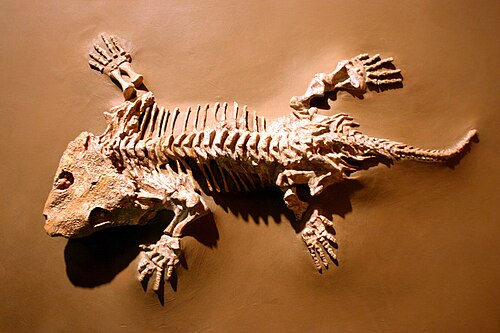
Close Relative Ryan Somma / CC BY-SA 2.0 · cc-by-sa Image unavailable
Close Relative
Help improve the field guideSomething wrong?
Checking your Fauna account…Report a name, category, or profile issue for review.