
Species
Anatosuchus minor
Anatosuchus minorAlso known as Duck-faced Crocodile
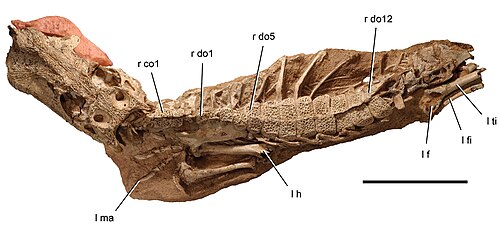
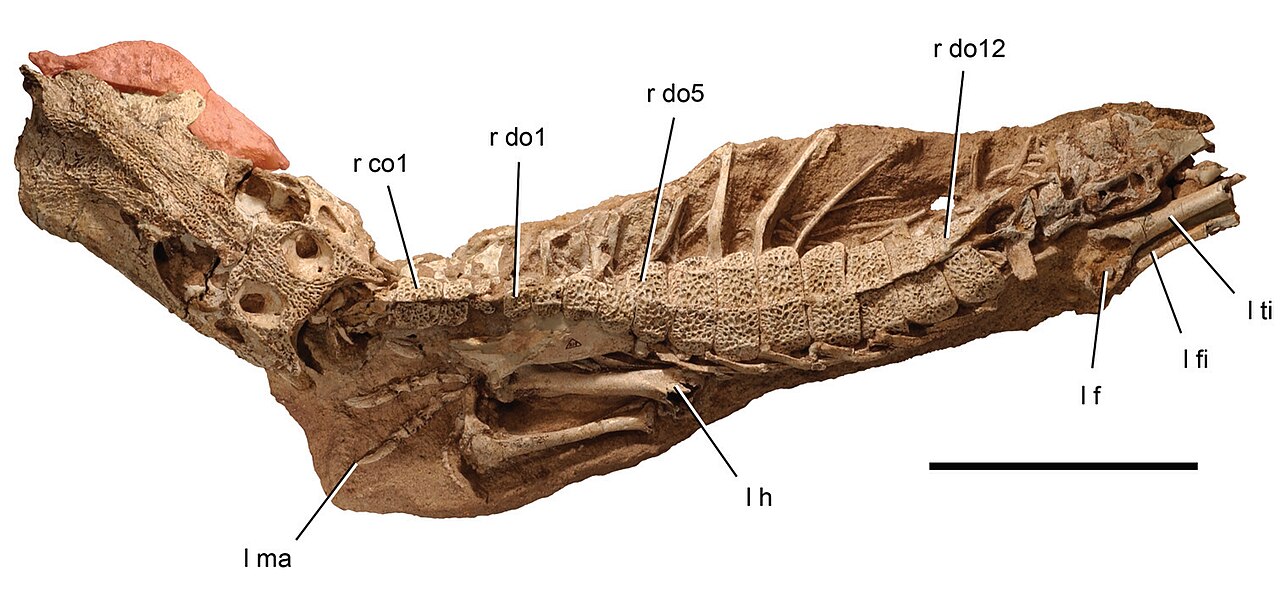
Nicknamed the duck-faced crocodile for its remarkably broad, flattened snout, Anatosuchus minor was a diminutive crocodyliform that roamed Early Cretaceous riverbanks in what is now Niger. Its wide jaws carried slender, outward-projecting teeth suited for snapping up insects, frogs, and small fish in muddy shallows. Unlike modern crocodiles, its relatively long limbs held its body upright for agile movement on land as well as in water.
Semi-aquaticCretaceous
—observations
—countries
—peak records
ExtinctConservation statusIUCN Red List categoriesLCNTVUENCREWEXExtinctRed List categories, explained →
Diet & preySmall fish, Frogs, Aquatic insects
Predators
- Large theropod dinosaurs
- Giant crocodyliforms
- Abelisaurid theropods
ThreatsExtinct; vanished during Cretaceous environmental shifts
HabitatsEarly Cretaceous river systems, floodplains, and shallow lakes in Niger
Life spanUnknown (extinct; likely 10 to 20 years based on modern small crocodilians)
Classification
- FamilyUruguaysuchidae
- SpeciesAnatosuchus minor
Range data is not available yet.
Interaction riskLow
- Low
- Moderate
- High
- Very high
- Why interaction risk is low
- Extinct species known only from fossils; safe to observe in museum collections.
Responsible observation
- Museum Viewing: Look for skull casts displaying the distinctive wide, duck-like snout.
- Fossil Context: Specimens come from the Elrhaz Formation at Gadoufaoua, a famous Cretaceous bonebed in Niger.
- Anatomy Check: Notice the upright limb posture adapted for both terrestrial walking and shallow-water foraging.
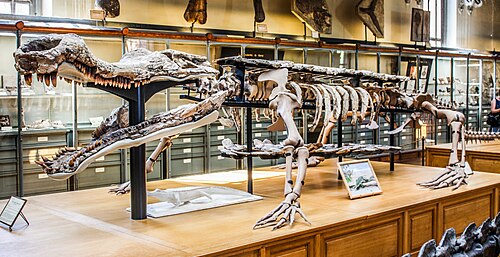
Predator Shadowgate from Novara, ITALY / CC BY 2.0 · cc-by Image unavailable
Predator Same Family Same Family
Help improve the field guideSomething wrong?
Checking your Fauna account…Report a name, category, or profile issue for review.