
Mammal · GBIF taxon 8457271
Pernambuco Dwarf Porcupine
Coendou speratusAlso known as Coandumirim
Pernambuco dwarf porcupines navigate the fragmented canopies of northeastern Brazil using strong, fully prehensile tails that anchor them securely to narrow branches. Primarily active after dusk, they spend daytime hours resting quietly in tree hollows or dense vine tangles to evade aerial and ground predators. Their specific epithet reflects hope for their survival amidst severe agricultural clearing of their fragile Atlantic Forest habitat.
ArborealNocturnalHerbivorous
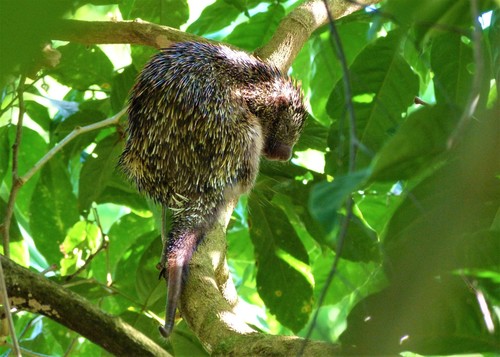
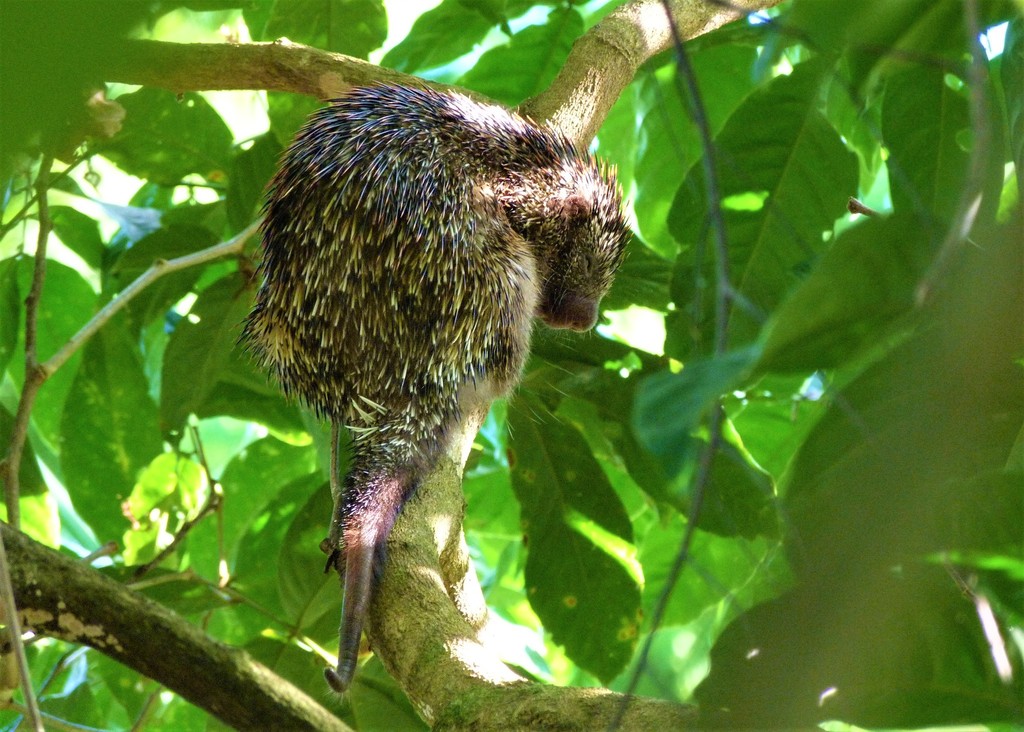
—observations
—countries
—peak records
VulnerableConservation statusIUCN Red List categoriesLCNTVUENCREWEXVulnerableRed List categories, explained →
Diet & prey
- Native fruits
- Tree bark
- Tender shoots
Predators
- Ocelot
- Tayra
- Harpy Eagle
ThreatsSevere deforestation, agricultural expansion, hunting, and habitat fragmentation
HabitatsTropical moist lowland forest and secondary forest fragments
Life span10–15 years in the wild
Classification
- FamilyErethizontidae
- SpeciesCoendou speratus
Range data is not available yet.
Interaction riskLow
- Low
- Moderate
- High
- Very high
- Why interaction risk is low
- Sharp barbed quills can cause painful puncture wounds if approached; observe quietly from a safe distance.
- Why it is dangerous
- Possesses sharp, barbed dorsal quills that readily detach upon contact and drive deeply into flesh.
- How to recognize a risky encounter
- Recognizable by its small body, dark fur, and tricolored quills tipped with pale brownish bands.
- What to do
- Do not attempt to touch, corner, or handle; allow the animal clear passage along branches.
- What to notice
- A compact arboreal rodent with short dark quills and a long, bare-tipped grasping tail.
- Support conservation
- Avoid shining bright white spotlights into its eyes, which causes disorientation and falls.
Responsible observation
- Scanning the Canopy: Look carefully along dense vine tangles and mid-story branches with a red flashlight at night.
- Maintain Space: Keep several meters of distance to avoid provoking defensive posture or quill flaring.
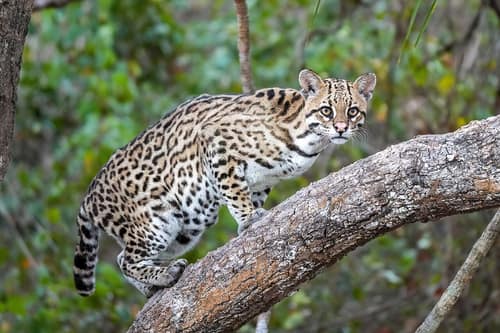
Predator Giles Laurent / CC BY-SA 4.0 · cc-by-sa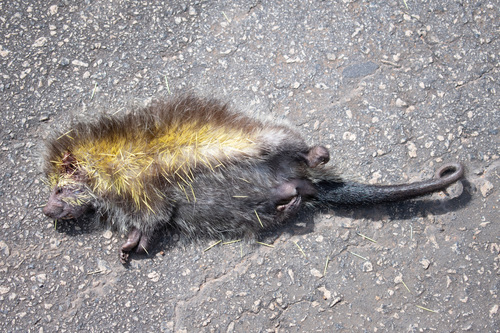
Close Relative no rights reserved, uploaded by w_endo · cc0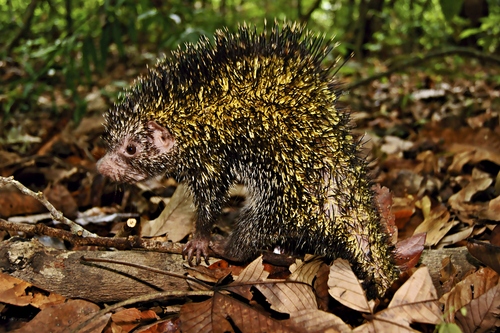
Close Relative (c) ....Christopher Borges...., some rights reserved (CC BY-SA), uploaded by ....Christopher Borges.... · cc-by-sa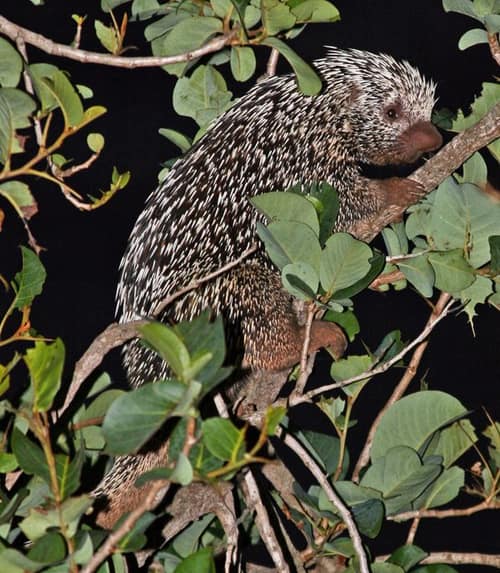
Close Relative JJ Kisielewski / CC BY-SA 3.0 · CC BY-SA 3.0
Help improve the field guideSomething wrong?
Checking your Fauna account…Report a name, category, or profile issue for review.