
Species
Bavarisaurus macrodactylus
Bavarisaurus macrodactylusBavarisaurus macrodactylus darted across the rocky, scrub-covered islands of the Late Jurassic European archipelago, using elongated toes to scramble over arid limestone outcrops. Slender jaws lined with sharp, recurved teeth allowed it to snap up beetles and other swift arthropods in the dry scrub. The lizard achieved lasting paleontological fame when a nearly complete articulated skeleton was discovered fossilized directly inside the ribcage of the small theropod dinosaur Compsognathus.
FossilReptile
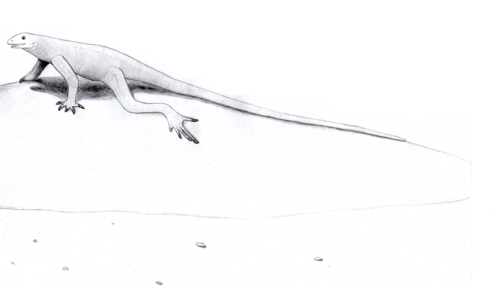
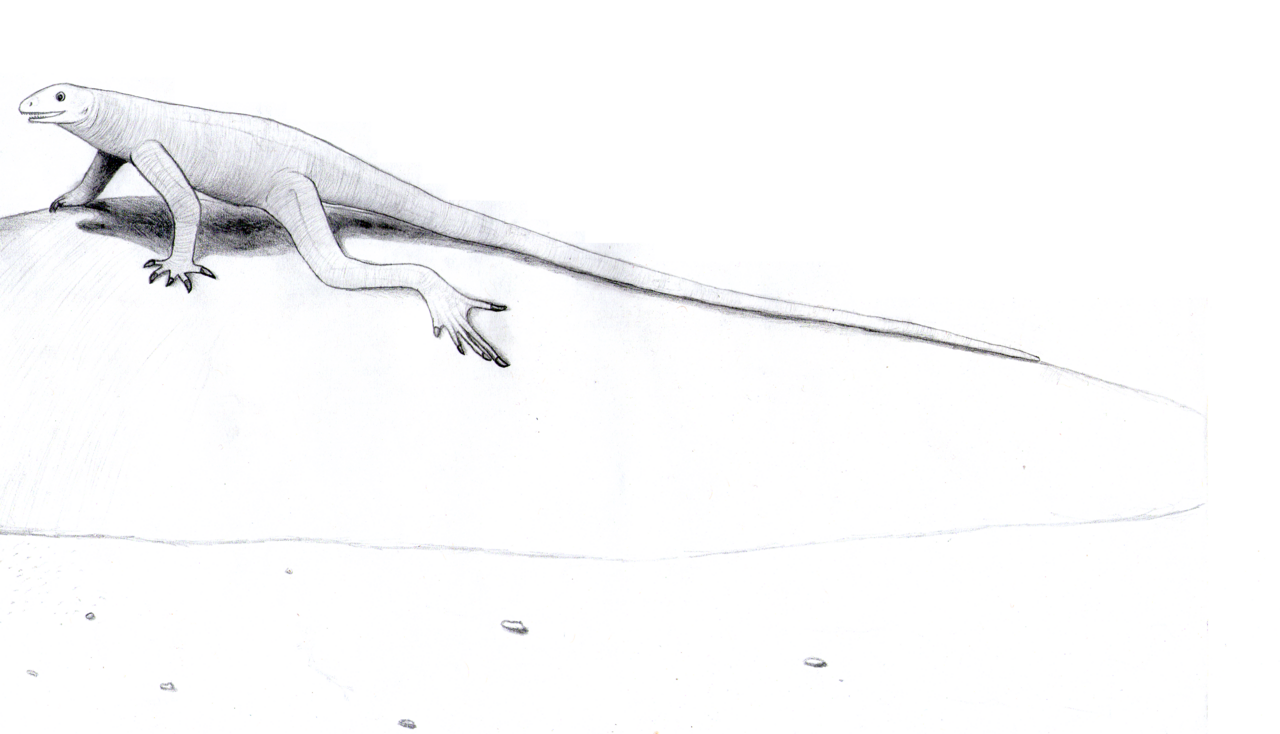
—observations
—countries
—peak records
ExtinctConservation statusIUCN Red List categoriesLCNTVUENCREWEXExtinctRed List categories, explained →
Diet & preyJurassic beetles, Primitive dragonflies, Small terrestrial arthropods
Predators
- Compsognathus longipes
- Pterodactylus antiquus
- Archaeopteryx lithographica
ThreatsPredation by small carnivorous dinosaurs and pterosaurs
HabitatsArid coastal islands, limestone scrublands, and lagoon borders
Life spanEstimated 3–8 years
Classification
- FamilyBavarisauridae
- SpeciesBavarisaurus macrodactylus
Range data is not available yet.
Interaction riskLow
- Low
- Moderate
- High
- Very high
- Why interaction risk is low
- Extinct prehistoric species known exclusively from fossilized remains.
Responsible observation
- Museum Exhibits: Look for articulated Solnhofen limestone slabs displaying its slender skeleton in major paleontology museums.
- Fossil Context: Seek out specimens of Compsognathus to view the famous predator-prey association preserved in stone.
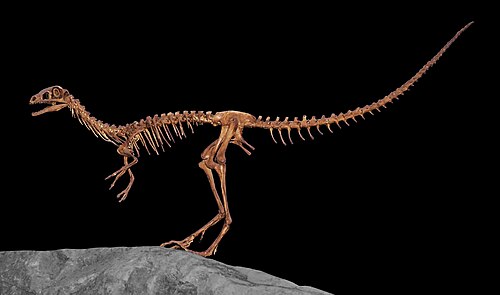
Predator Zach Tirrell from Plymouth, USA / CC BY-SA 2.0 · cc-by-sa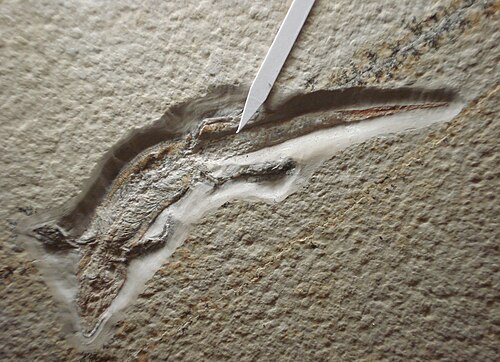
Neighbor Ghedoghedo / CC BY-SA 3.0 · cc-by-sa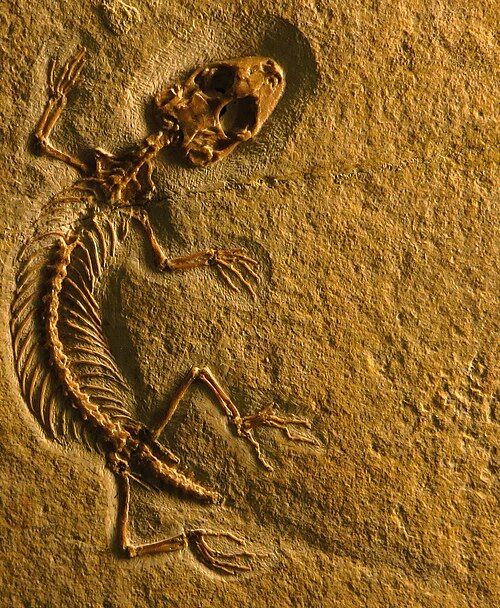
Neighbor Ghedoghedo / CC BY-SA 4.0 · cc-by-sa
Help improve the field guideSomething wrong?
Checking your Fauna account…Report a name, category, or profile issue for review.