
Plant
Blackberry
Rubus fruticosusAlso known as Common Bramble, European Blackberry, Shrubby Blackberry, Bramble
European brambles form sprawling, prickly thickets that dominate hedgerows, clearings, and forest margins across temperate landscapes. The perennial rootstock sends up biennial arching canes, which produce rich nectar that draws countless native pollinators before developing dark aggregate fruits that feed resident songbirds and small mammals into late autumn. By rooting wherever cane tips touch moist soil, colonies rapidly weave impenetrable microhabitats that provide critical cover for ground-nesting wildlife.
FloweringPerennialSpiny
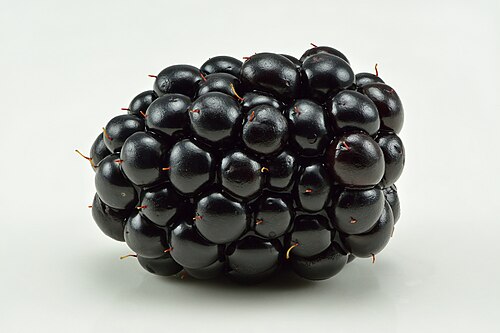
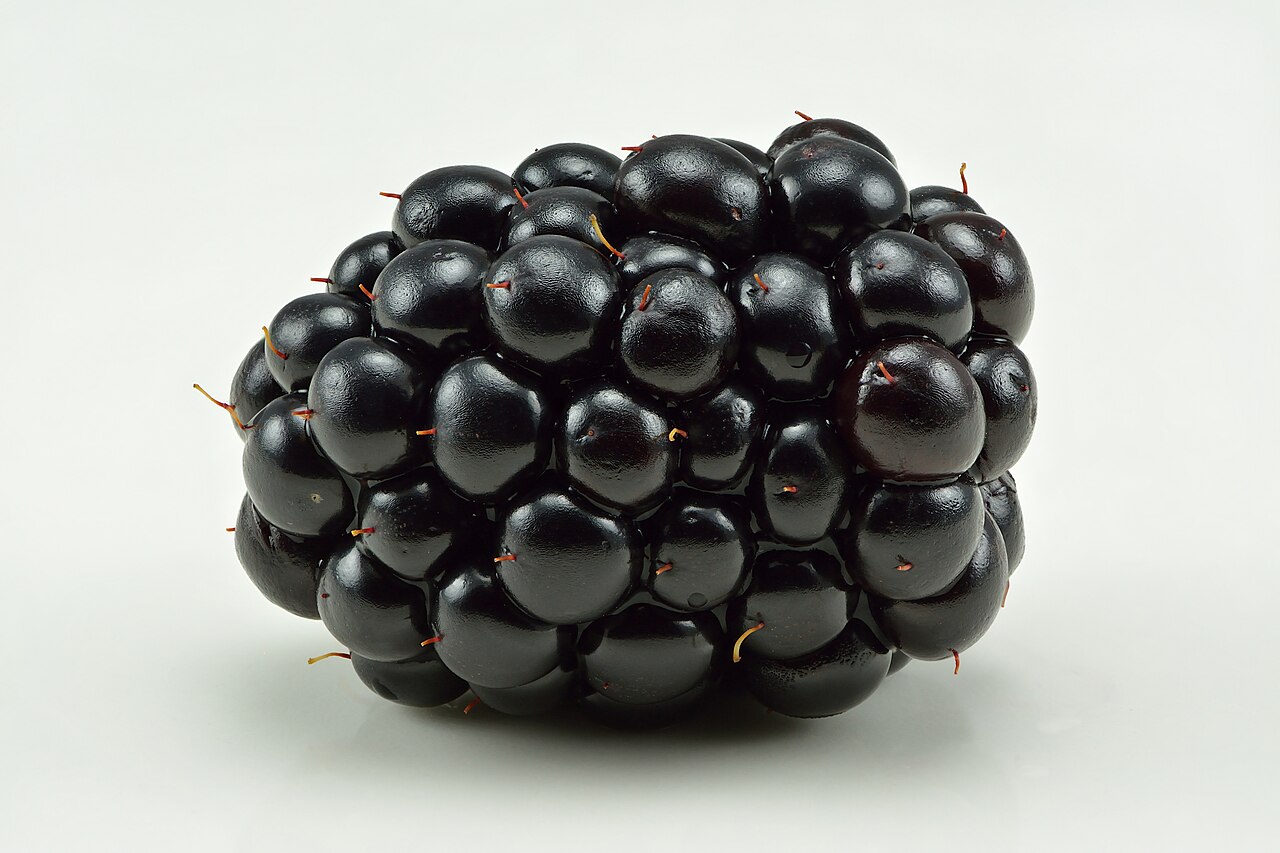
—observations
—countries
—peak records
Least ConcernConservation statusIUCN Red List categoriesLCNTVUENCREWEXLeast ConcernRed List categories, explained →
Diet & preySunlight, Water, Soil nutrients
Predators
- Roe deer
- European rabbit
- Bank vole
ThreatsHerbicide eradication, severe land clearing, and overgrazing
HabitatsWoodland edges, hedgerows, scrub, roadsides, and disturbed ground
Life spanPerennial rootstock, individual canes live 2 years
Classification
- OrderRosales
- FamilyRosaceae
- GenusRubus
- SpeciesRubus fruticosus
Range data is not available yet.
Interaction riskLow
- Low
- Moderate
- High
- Very high
- Why interaction risk is low
- Wild berries have toxic look-alikes; never eat based on app identification alone.
Responsible observation
- Watch your footing: Strong recurved prickles catch easily on loose clothing and exposed skin.
- Inspect summer blooms: Check white and pale pink blossoms closely to spot native hoverflies and bees.
- Look for wildlife shelters: Dense thicket bases frequently shelter nesting birds and small mammals.
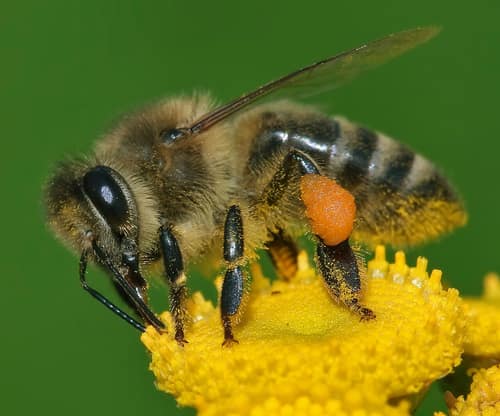
Pollinator Andreas Trepte / CC BY-SA 2.5 · cc-by-sa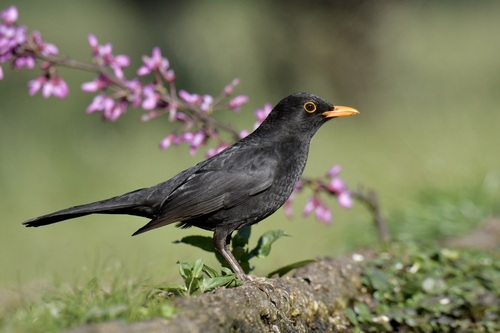
Seed Disperser (c) Luiz Lapa, some rights reserved (CC BY) · cc-by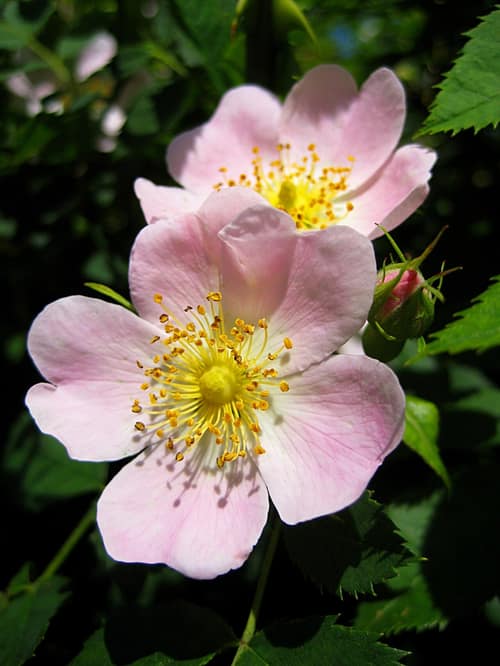
Frequent Companion Roberta F. / CC BY-SA 3.0 · cc-by-sa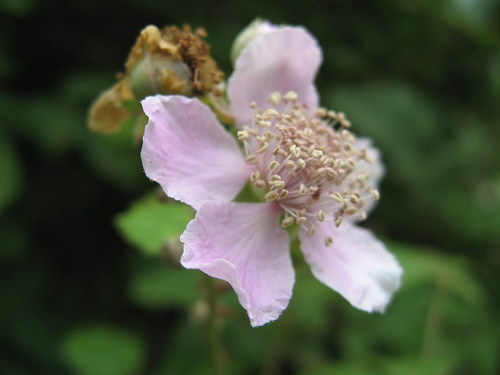
Close Relative (c) Joan Simon, some rights reserved (CC BY-SA) · cc-by-sa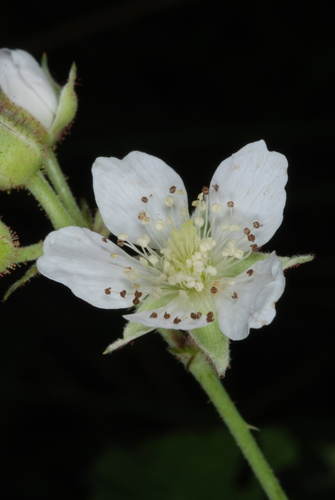
Close Relative (c) Douglas Goldman, some rights reserved (CC BY-SA), uploaded by Douglas Goldman · cc-by-sa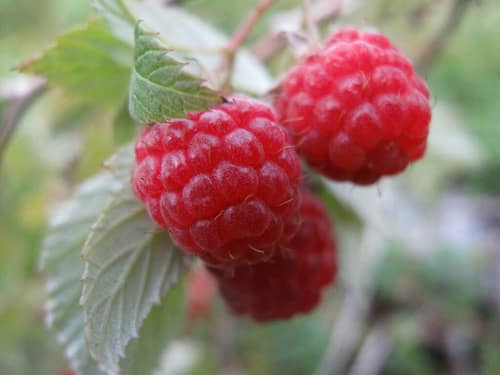
Close Relative (c) Ole Husby, some rights reserved (CC BY-SA) · cc-by-sa
Help improve the field guideSomething wrong?
Checking your Fauna account…Report a name, category, or profile issue for review.