
Plant
Wild Teasel
Dipsacus fullonumAlso known as Common Teasel, Fuller's Teasel, Venus' Cup, Indian Teasel
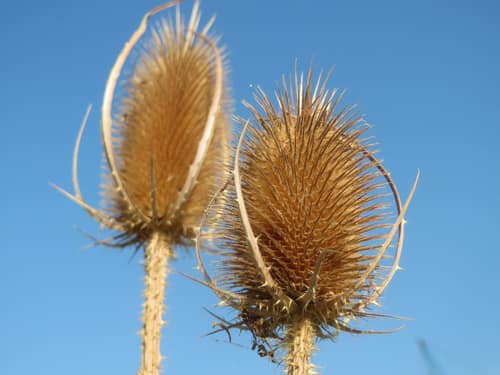
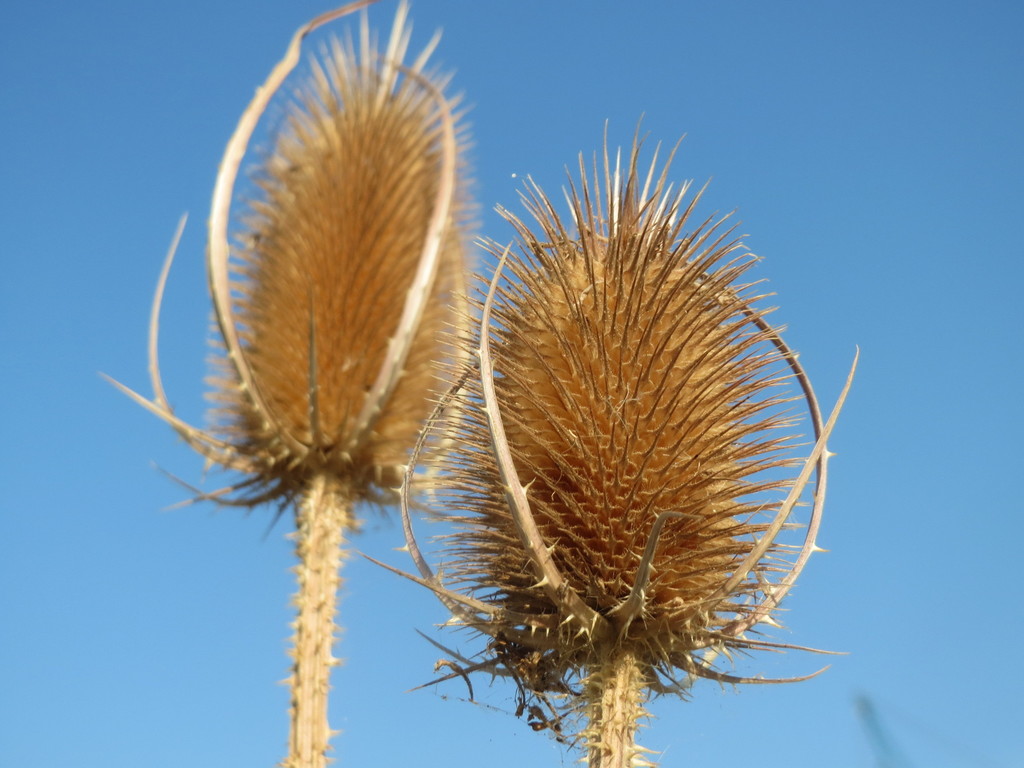
Wild teasel is a striking biennial herb known for its spiky, cone-shaped flower heads surrounded by long, curved bracts. In their second year, plants bolt to produce towering stalks lined with cup-like leaf bases that trap rainwater and drown small crawling insects. The persistent dried seed heads remain standing throughout winter, serving as a critical cold-weather food source for goldfinches.
BiennialPricklyBird Attractor
—observations
—countries
—peak records
Least ConcernConservation statusIUCN Red List categoriesLCNTVUENCREWEXLeast ConcernRed List categories, explained →
Diet & preyPhotosynthetic
Predators
- European Goldfinch
- Mule Deer
- Teasel Seed Fly
ThreatsHabitat destruction in native range; weed control in introduced regions
HabitatsRoadsides, meadows, pastures, and disturbed soil
Life span2 years
Classification
- OrderDipsacales
- FamilyCaprifoliaceae
- GenusDipsacus
- SpeciesDipsacus fullonum
Range data is not available yet.
Interaction riskLow
- Low
- Moderate
- High
- Very high
- Why interaction risk is low
- Safe to observe at a normal distance, though dried spines can scratch skin.
Responsible observation
- Winter Birding: Leave dried stalks standing through winter to support foraging songbirds.
- Handling Caution: Wear thick leather gloves when clearing dead stems to prevent deep scratches.
- Bloom Observation: Look closely in midsummer to watch small lavender blooms emerge in distinct bands.
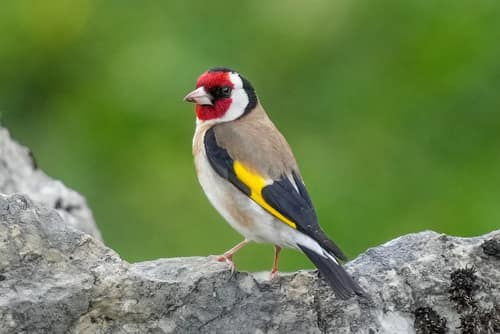
Seed Consumer Giles Laurent / CC BY-SA 4.0 · cc-by-sa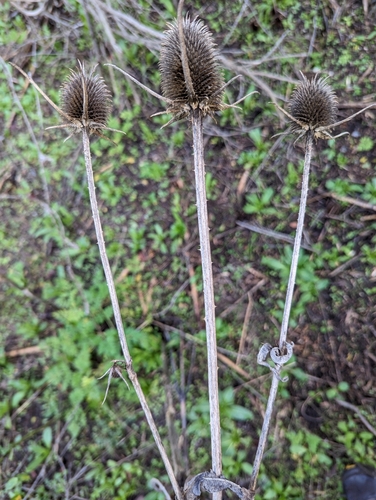
Cultivated Variant (c) Alan Rockefeller, some rights reserved (CC BY) · cc-by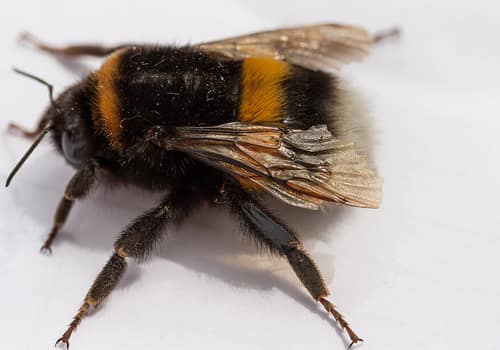
Pollinator Marco Almbauer / CC0 · cc0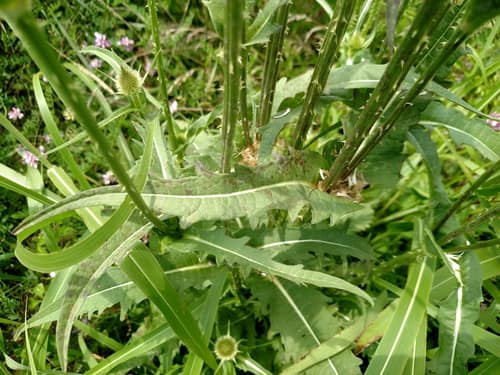
Close Relative (c) Daniel Barrows, some rights reserved (CC BY), uploaded by Daniel Barrows · cc-by
Help improve the field guideSomething wrong?
Checking your Fauna account…Report a name, category, or profile issue for review.