
Reptile · GBIF taxon 8433585
Common Coachwhip
Masticophis flagellumAlso known as Coachwhip, Whip Snake, Red Racer
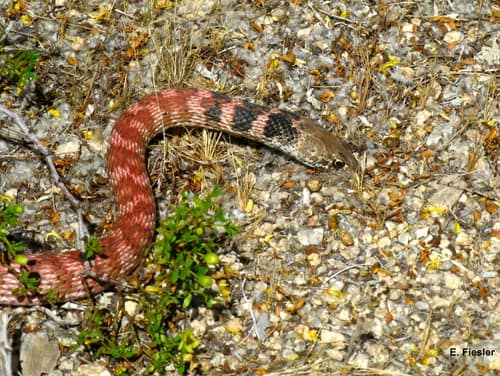
Common Coachwhips are remarkably swift, active diurnal hunters known for periscoping their heads above high grass to scout for movement. Their common name stems from the distinctive braided scale pattern on their long tails, which closely resembles a traditional leather whip. Depending on the region, color patterns vary dramatically, ranging from jet black in eastern populations to pinkish-tan or bright red in southwestern deserts.
DiurnalFast-MovingReptile

—observations
—countries
—peak records
Least ConcernConservation statusIUCN Red List categoriesLCNTVUENCREWEXLeast ConcernRed List categories, explained →
Diet & prey
- Lizards
- Mice
- Small Snakes
Predators
- Hawks
- Coyotes
- Greater Roadrunners
ThreatsHabitat fragmentation, road mortality, and human persecution
HabitatsDeserts, scrublands, pine flatwoods, prairies, and rocky slopes
Life span10–15 years in the wild
Size / weightNot available
Classification
- FamilyColubridae
- GenusMasticophis
- SpeciesMasticophis flagellum
Range data is not available yet.
Interaction riskLow
- Low
- Moderate
- High
- Very high
- Why interaction risk is low
- Non-venomous, but will strike rapidly and repeatedly if cornered or handled.
- Why it is dangerous
- Lacks venom, but possesses numerous sharp teeth and a rapid strike that can inflict minor skin lacerations when cornered.
- How to recognize a risky encounter
- Slender body with a dark front shading into a pale brown or reddish tail featuring braided scales.
- What to do
- Maintain a respectful distance and avoid grabbing or trapping the snake, allowing it an easy escape route.
Responsible observation
- Observe from Distance: Avoid approaching rapidly, as these fast snakes will dart into heavy brush at the first sign of movement.
- Watch Head Elevation: Look for their characteristic behavior of raising their heads high above low vegetation while scanning for prey.
- Give Space: Never attempt to catch or corner one, since cornered coachwhips will strike aggressively to defend themselves.
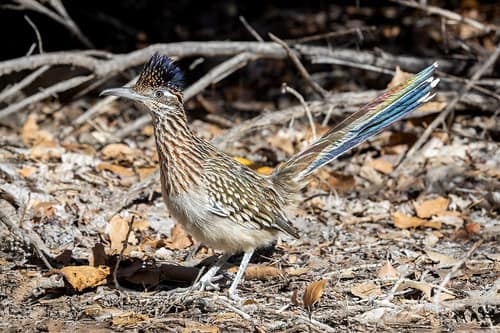
Predator Polinova / CC BY-SA 4.0 · cc-by-sa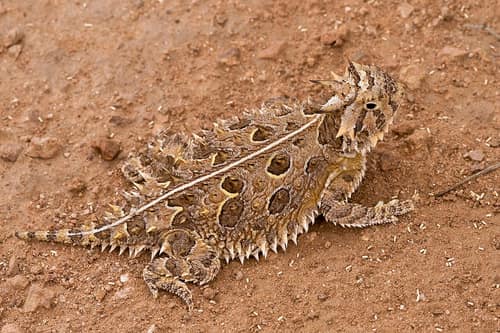
Prey Patrick Alexander from Las Cruces, NM / CC0 · cc0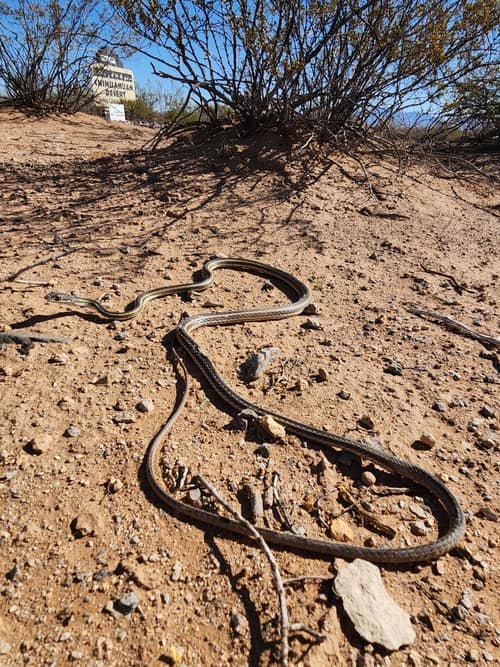
Close Relative no rights reserved · cc0
Close Relative (c) Deana Tempest Thomas, some rights reserved (CC BY) / CC BY 4.0 · cc-by
Help improve the field guideSomething wrong?
Checking your Fauna account…Report a name, category, or profile issue for review.