
Plant
Venezuelan Apple Cactus
Cereus repandusAlso known as Peruvian Apple Cactus, Giant Club Cactus, Hedge Cactus, Cadushi
Towering columnar trunks of the Venezuelan apple cactus reach skyward across arid landscapes, forming multi-stemmed thickets that can stand ten meters tall. Large, creamy white flowers open for a single night to attract pollinating bats and moths before transforming into smooth, crimson fruits filled with dark seeds. As a vital foundation of desert ecosystems, it provides food, shelter, and moisture for native wildlife during severe droughts.
Columnar CactusNight-BloomingArid Flora
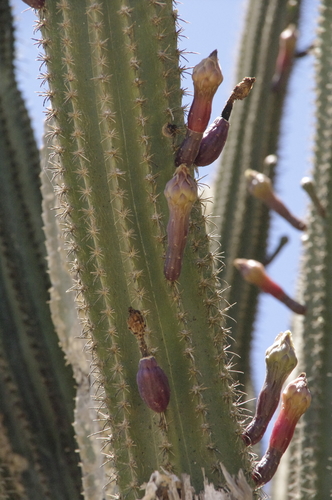
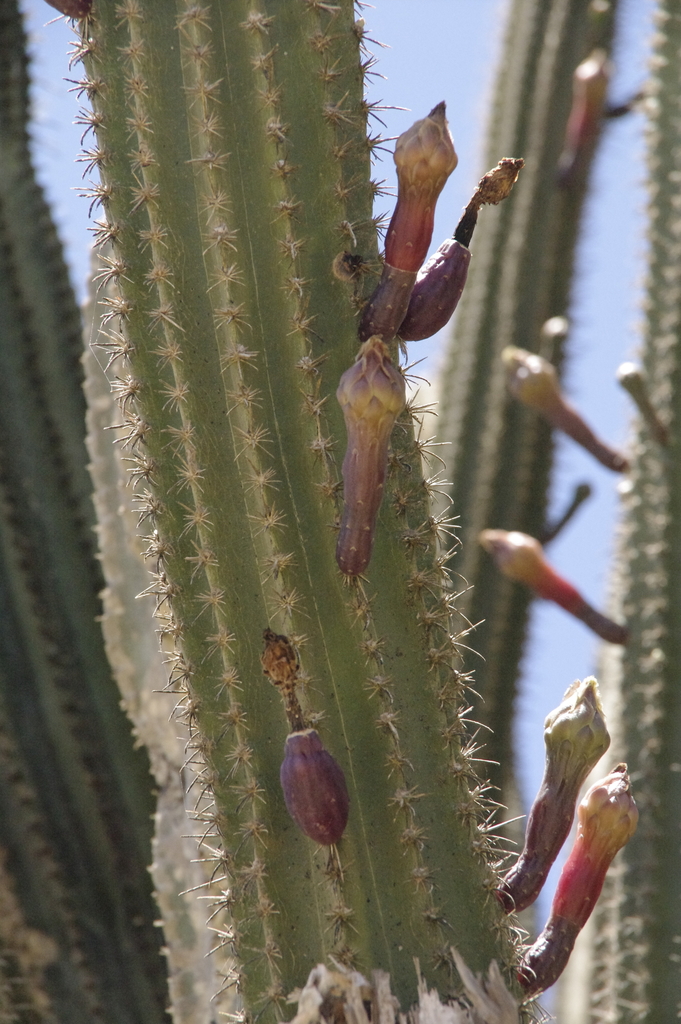
—observations
—countries
—peak records
Least ConcernConservation statusIUCN Red List categoriesLCNTVUENCREWEXLeast ConcernRed List categories, explained →
Diet & preyAutotrophic (Photosynthetic)
ThreatsHabitat conversion, coastal development, agricultural clearing
HabitatsArid scrublands, dry forests, desert grasslands, coastal cliffs
Life span50–100+ years
Classification
- OrderCaryophyllales
- FamilyCactaceae
- GenusCereus
- SpeciesCereus repandus
Range data is not available yet.
Interaction riskLow
- Low
- Moderate
- High
- Very high
- Why interaction risk is low
- Sharp spines can puncture skin, and wild fruits have toxic look-alikes; observe safely at a distance.
Responsible observation
- Mind the Spines: Keep a reasonable distance to avoid contact with sharp stem spines.
- Night Viewing: Visit after dusk or at dawn to catch the ephemeral nocturnal blooms.
- Leave Fruits Intact: Allow wild fruits to remain on stems as essential wildlife nourishment.
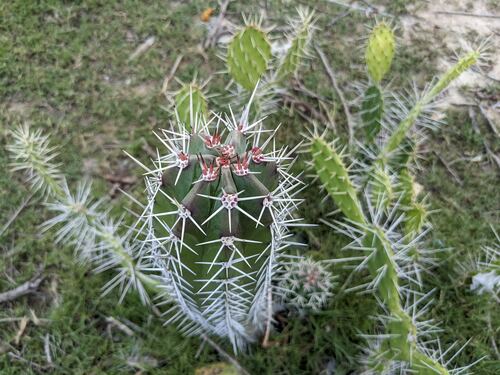
Co-Occurring Species (c) Zac Peterson, some rights reserved (CC BY) · cc-by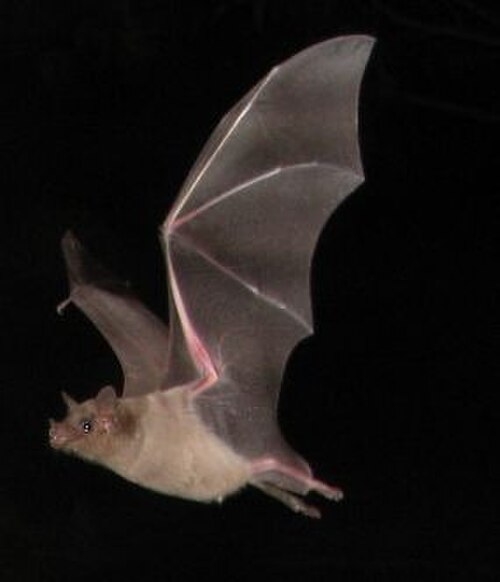
Pollinator NPS / Public domain · cc0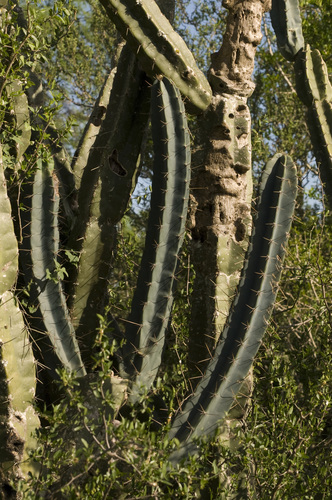
Close Relative (c) Nicolas Olejnik, some rights reserved (CC BY), uploaded by Nicolas Olejnik · cc-by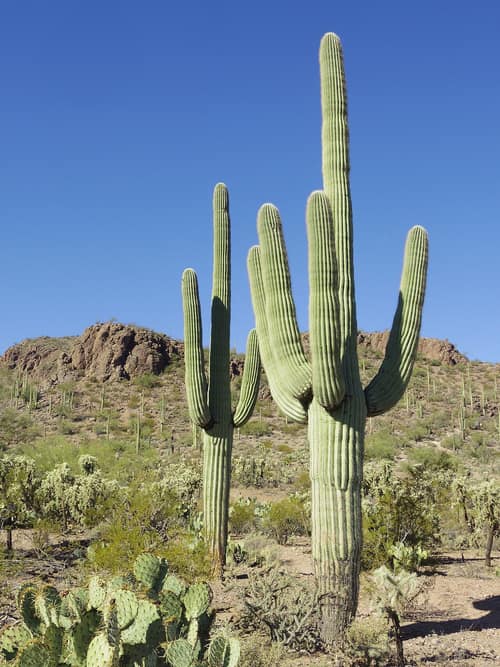
Arid Relative WClarke / CC BY-SA 3.0 · cc-by-sa
Help improve the field guideSomething wrong?
Checking your Fauna account…Report a name, category, or profile issue for review.