Also known as Procumbent Yellow Sorrel, Sleeping Beauty, Creeping Oxalis
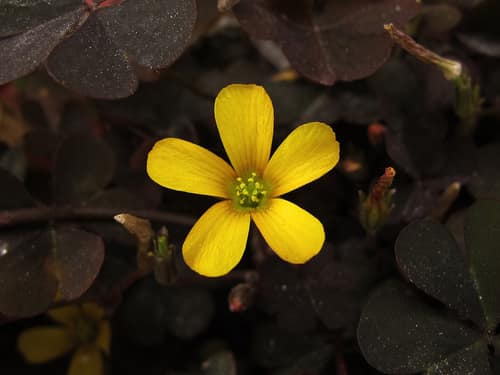
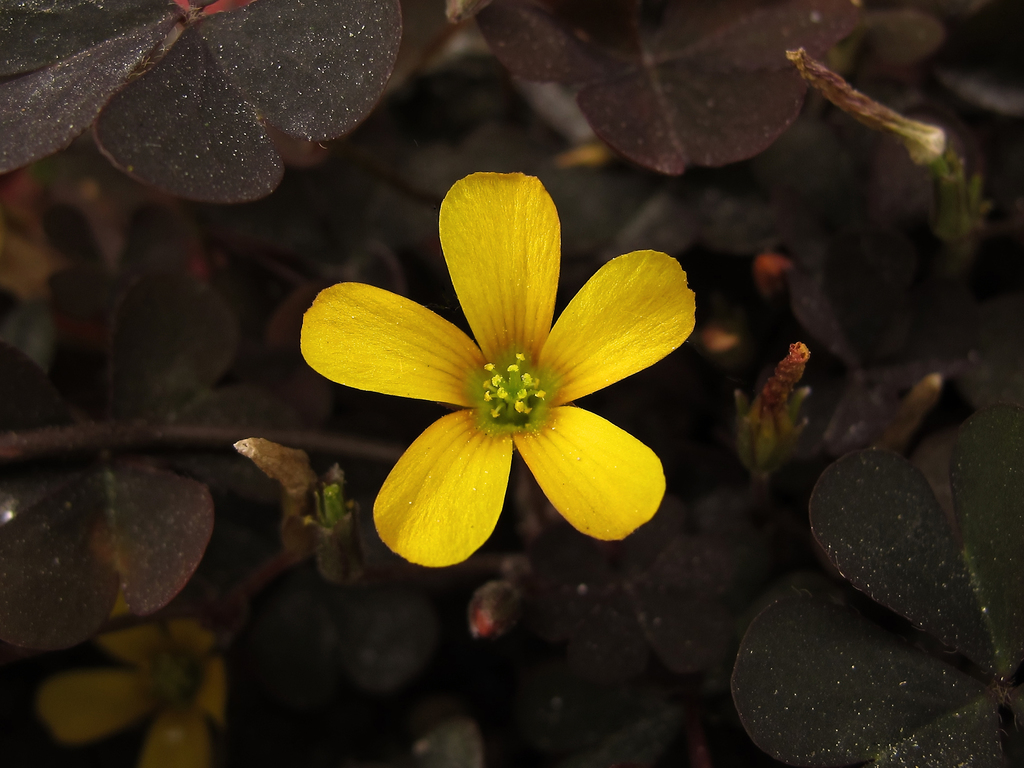
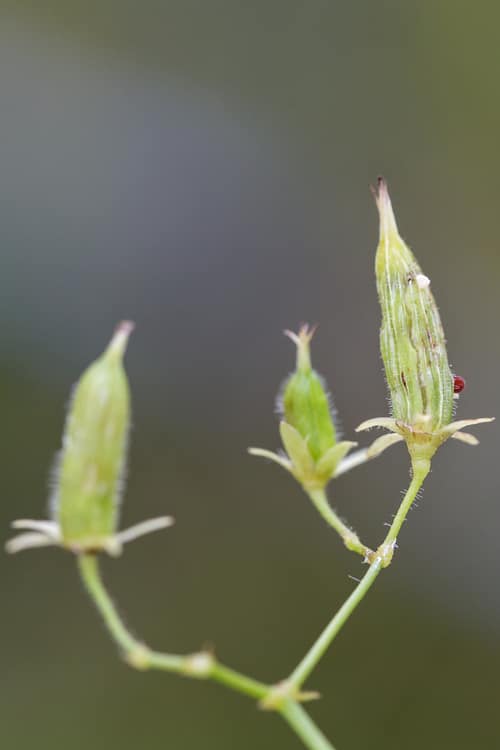
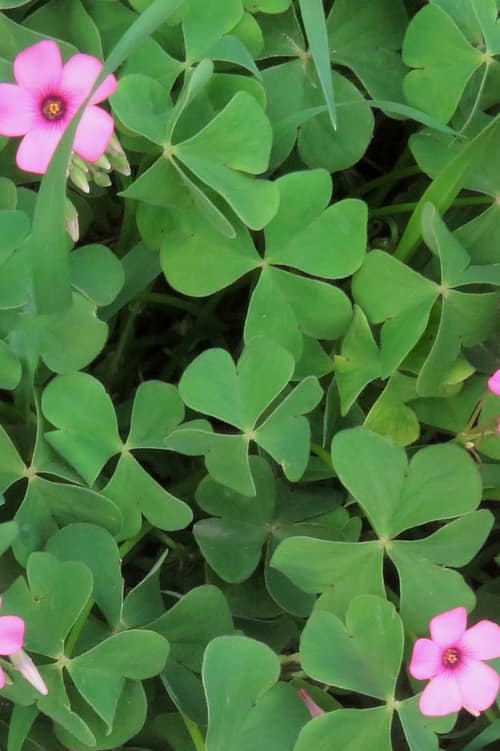
Creeping woodsorrel carpets bare soil and pavement cracks with prostrate stems that root continuously at each node, bearing delicate heart-shaped trifoliate leaves often flushed with purple or bronze. Cylindrical seed capsules build hydrostatic tension as they ripen, eventually rupturing explosively to fling seeds several meters away. The sensitive foliage folds downward along each leaflet's midrib at dusk and during heavy overcast, an adaptive nocturnal movement known as nyctinasty.
ThreatsHerbicides, hand-weeding, and dense turf competition
HabitatsLawns, gardens, sidewalk crevices, disturbed ground, and greenhouse beds
Life spanPerennial (often annual in freezing climates)
Classification
OrderOxalidales
FamilyOxalidaceae
GenusOxalis
SpeciesOxalis corniculata
Range & activity
Range data is not available yet.
Safe observation
Interaction riskHigh
Low
Moderate
High
Very high
Why interaction risk is high
Contains soluble oxalates toxic to pets and livestock if ingested in large quantities; observe freely.
Why it is dangerous
Contains high levels of soluble oxalic acid and oxalates, which can cause gastrointestinal irritation and kidney issues in companion animals when consumed in quantity.
How to recognize a risky encounter
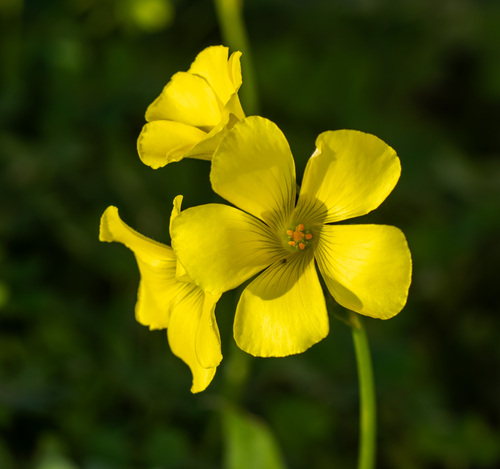
Recognizable by its low-growing trailing stems, small five-petaled yellow blossoms, and three heart-shaped leaflets that fold in the dark.
What to do
Safe to pull by hand without gloves, but avoid planting or allowing unchecked growth where household pets graze.
Responsible observation
Seed Dispersal: Lightly touch a swollen, mature seed pod to trigger its explosive ballochoric discharge.
Lawn Management: Uproot the slender taproot entirely before seeds form to keep it from dominating garden beds.
Pet Safety: Keep foraging dogs, cats, and tortoises away from large patches to avoid oxalate distress.