
Plant · GBIF taxon 8421156
Smooth Blue Aster
Symphyotrichum laeveAlso known as Smooth Aster, Smooth-leaved Aster, Glaucous Michaelmas-daisy, Glaucous Aster
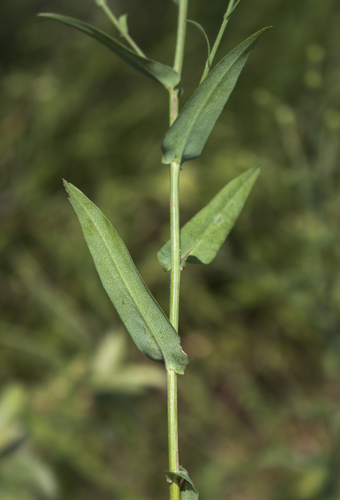
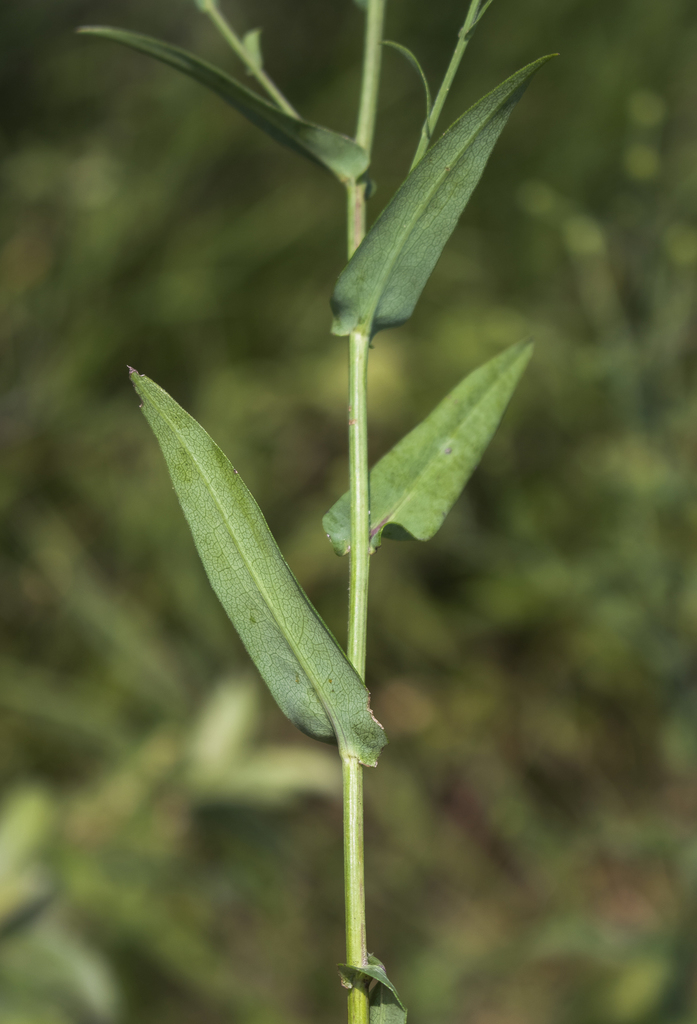
Smooth blue aster lights up North American prairies and meadows in late summer and autumn with sprays of violet-blue blossoms surrounding bright yellow centers. Its hairless, waxy stems and foliage feel noticeably smooth to the touch, distinguishing it from rougher native relatives. The late-season nectar provides an essential food source for migrating monarch butterflies and overwintering native bees.
Late BloomPollinator MagnetWildflower
 1 / 7
1 / 7—observations
—countries
—peak records
Least ConcernConservation statusIUCN Red List categoriesLCNTVUENCREWEXLeast ConcernRed List categories, explained →
Diet & prey
- Sunlight
- Water
- Soil Nutrients
Predators
- White-tailed Deer
- Rabbits
- Gopher Tortoises
ThreatsHabitat destruction, herbicide spraying, over-mowing during bloom
HabitatsPrairies, meadows, open woods, savanna, roadsides
Life spanPerennial (5–10+ years)
Classification
- OrderAsterales
- FamilyAsteraceae
- GenusSymphyotrichum
- SpeciesSymphyotrichum laeve
Range data is not available yet.
Interaction riskLow
- Low
- Moderate
- High
- Very high
- Why interaction risk is low
- Safe to observe at a normal distance.
Responsible observation
- Garden Care: Leave dead stems standing over winter to provide seeds for birds and nest sites for bees.
- Pollinator Spotting: Visit patches on warm autumn afternoons to observe monarchs and bumblebees feeding.
- Identification: Feel the upper stem and foliage, which are completely smooth and glaucous.
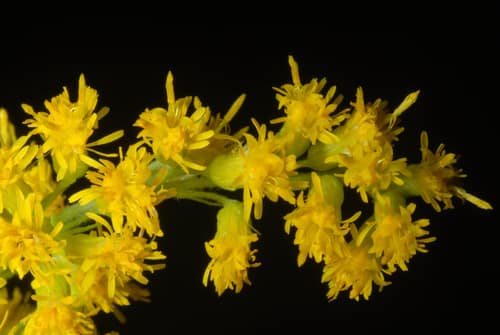
Frequent Companion (c) Douglas Goldman, some rights reserved (CC BY-SA), uploaded by Douglas Goldman · cc-by-sa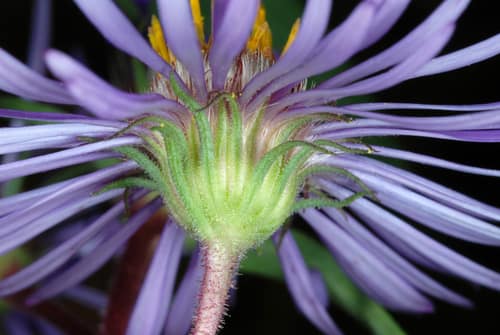
Close Relative (c) Douglas Goldman, some rights reserved (CC BY-SA), uploaded by Douglas Goldman · cc-by-sa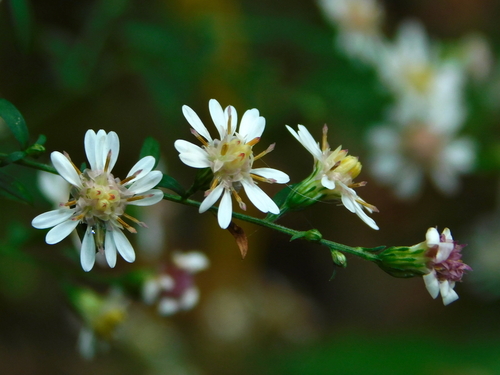
Close Relative (c) Michael J. Papay, some rights reserved (CC BY), uploaded by Michael J. Papay · cc-by
Help improve the field guideSomething wrong?
Checking your Fauna account…Report a name, category, or profile issue for review.