
Species
Red Foram
Homotrema rubrumAlso known as Pink Sand Foram, Red Encrusting Foraminifer
Red forams are colonial single-celled protists that construct rigid, branching calcium carbonate skeletons firmly cemented to the undersides of coral rubble and reef overhangs. Their vivid crimson and pink coloration comes from carotenoid pigments incorporated into the calcified test, which shields their cytoplasm from intense tropical sunlight. When wave action dislodges and pulverizes these robust shells, the fragments blend with bleached coral and mollusk debris to produce the famous pink-sand beaches of Bermuda and the Caribbean.
MarineReef-DwellingCalcifying
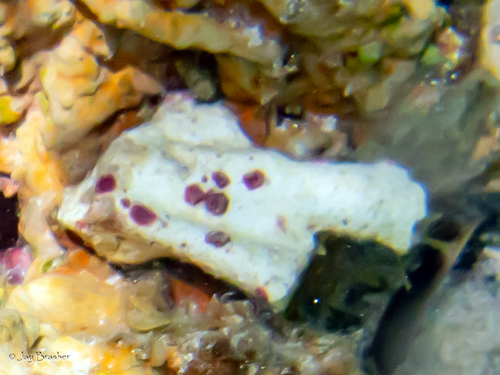
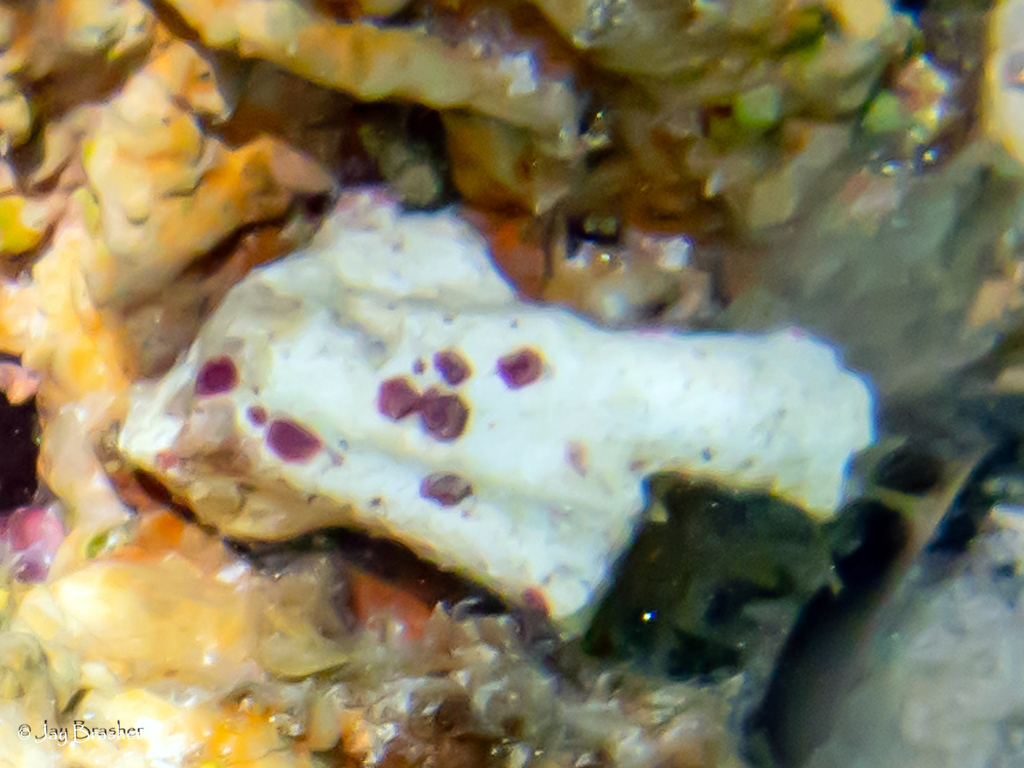
—observations
—countries
—peak records
Not EvaluatedConservation statusIUCN Red List categoriesLCNTVUENCREWEXNot Evaluated — not placed on the risk ladderRed List categories, explained →
Diet & preyBacteria, Diatoms, Phytoplankton
Predators
- Parrotfish
- Grazing Sea Urchins
- Polychaete Worms
ThreatsOcean acidification, rising sea surface temperatures, and coral reef destruction
HabitatsTropical coral reefs, reef crests, and cryptic crevices on hard substrates
Life spanSeveral months to 2 years
Classification
- FamilyHomotrematidae
- SpeciesHomotrema rubrum
Range data is not available yet.
Interaction riskLow
- Low
- Moderate
- High
- Very high
- Why interaction risk is low
- Safe to observe at a normal distance.
Responsible observation
- Beach Combing: Examine handfuls of pink tropical sand under a hand lens to spot intact tests.
- Tidepool Etiquette: Look on the shaded undersides of loose rubble without overturning delicate reef structures.
- Conservation Care: Leave beach sands and coral skeletons in place to preserve shoreline ecosystems.
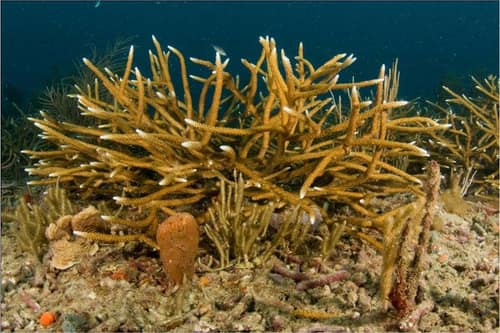
Substrate Provider (c) U.S. Fish and Wildlife Service Southeast Region, some rights reserved (CC BY) · cc-by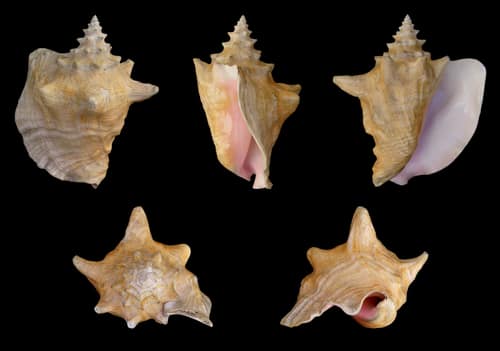
Substrate Provider (c) H. Zell, some rights reserved (CC BY-SA) · cc-by-sa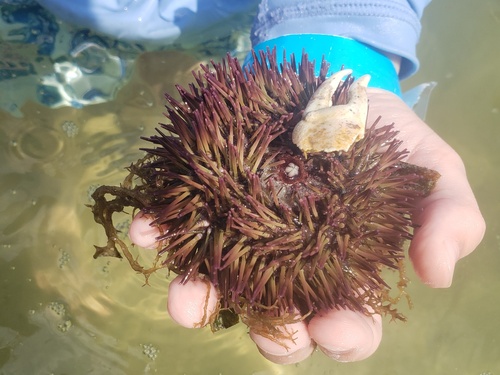
Predator (c) Jody Shugart, some rights reserved (CC BY) · cc-by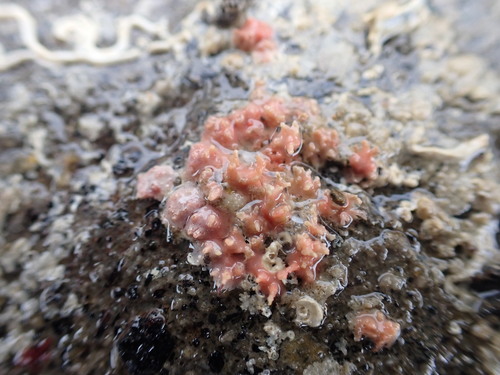
Close Relative (c) Kelvin Perrie, some rights reserved (CC BY), uploaded by Kelvin Perrie · cc-by
Help improve the field guideSomething wrong?
Checking your Fauna account…Report a name, category, or profile issue for review.