
Plant · GBIF taxon 8383191
Grouse Whortleberry
Vaccinium scopariumAlso known as Grouseberry, Littleleaf Huckleberry, Broom Huckleberry
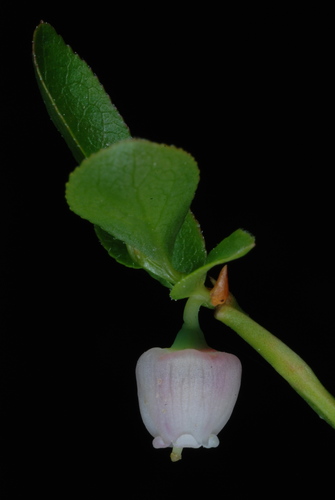
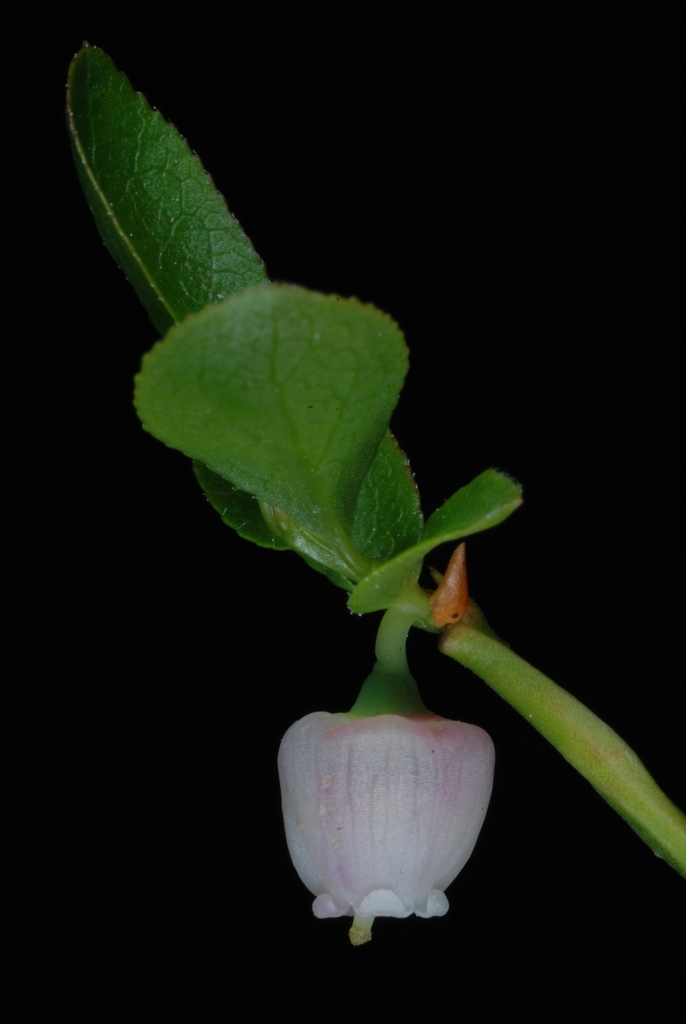
Grouse whortleberries form dense, bright green carpets across western subalpine forest floors. The distinctive, broom-like stems remain vividly green year-round, photosynthesizing beneath winter snow and protecting delicate mountain soils from erosion. In late summer, tiny pink flowers yield small bright red berries that serve as vital autumn forage for mountain game birds and mammals.
SubalpineGroundcoverBerries
 1 / 7
1 / 7—observations
—countries
—peak records
Least ConcernConservation statusIUCN Red List categoriesLCNTVUENCREWEXLeast ConcernRed List categories, explained →
Diet & prey
- Autotrophic
Predators
- Dusky Grouse
- American Black Bear
- Mule Deer
ThreatsSevere wildfire, climate change, habitat loss
HabitatsSubalpine lodgepole pine forests, coniferous woodlands, alpine slopes
Life spanPerennial (20+ years)
Classification
- OrderEricales
- FamilyEricaceae
- GenusVaccinium
- SpeciesVaccinium scoparium
Range data is not available yet.
Interaction riskLow
- Low
- Moderate
- High
- Very high
- Why interaction risk is low
- Wild berries have toxic look-alikes; never eat based on app identification alone.
Responsible observation
- Stem Inspection: Look for bright green, sharply angled, broom-like branches forming dense mats.
- Habitat Spotting: Search high-elevation lodgepole pine and spruce-fir forests in western mountains.
- Seasonal Timing: Watch for tiny pink urn-shaped flowers in June and bright red fruit by late summer.
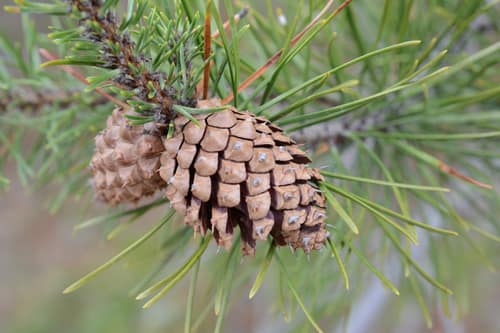
Frequent Companion (c) Alison Northup, some rights reserved (CC BY), uploaded by Alison Northup · cc-by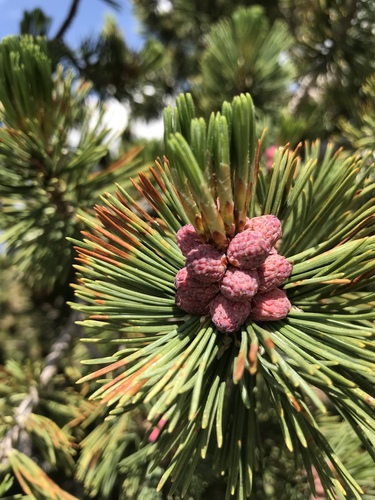
Frequent Companion (c) Nelson Balcar, some rights reserved (CC BY), uploaded by Nelson Balcar · cc-by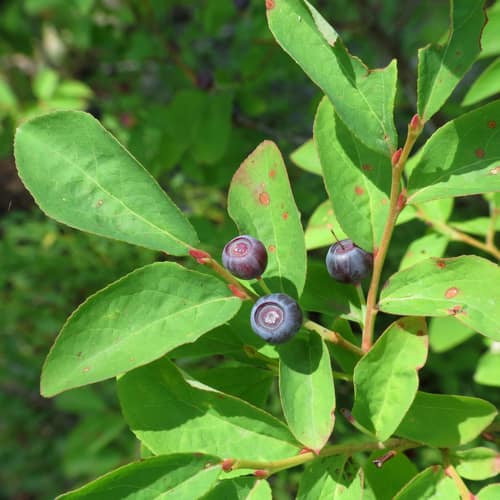
Close Relative (c) Katja Schulz, some rights reserved (CC BY) · cc-by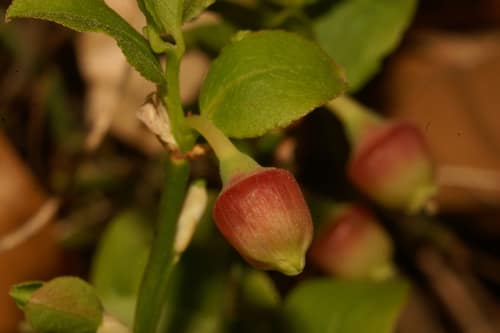
Close Relative (c) Benjamin Zwittnig, some rights reserved (CC BY) · cc-by
Help improve the field guideSomething wrong?
Checking your Fauna account…Report a name, category, or profile issue for review.