
Plant · GBIF taxon 8380575
French Tamarisk
Tamarix gallicaAlso known as Saltcedar, Manna Tamarisk
French tamarisk thrives in harsh coastal and arid environments by drawing deep moisture and exuding excess minerals through specialized foliage glands. In late spring and summer, slender reddish twigs erupt in dense, feathery plumes of minuscule pale pink flowers that attract an array of pollinators. The fallen foliage gradually salinizes the surrounding topsoil, creating challenging conditions that suppress competing native flora.
DeciduousSalt-tolerantFlowering
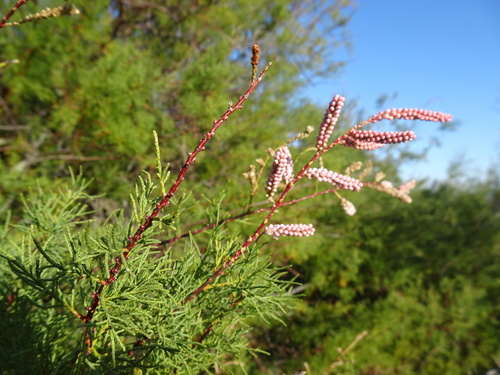
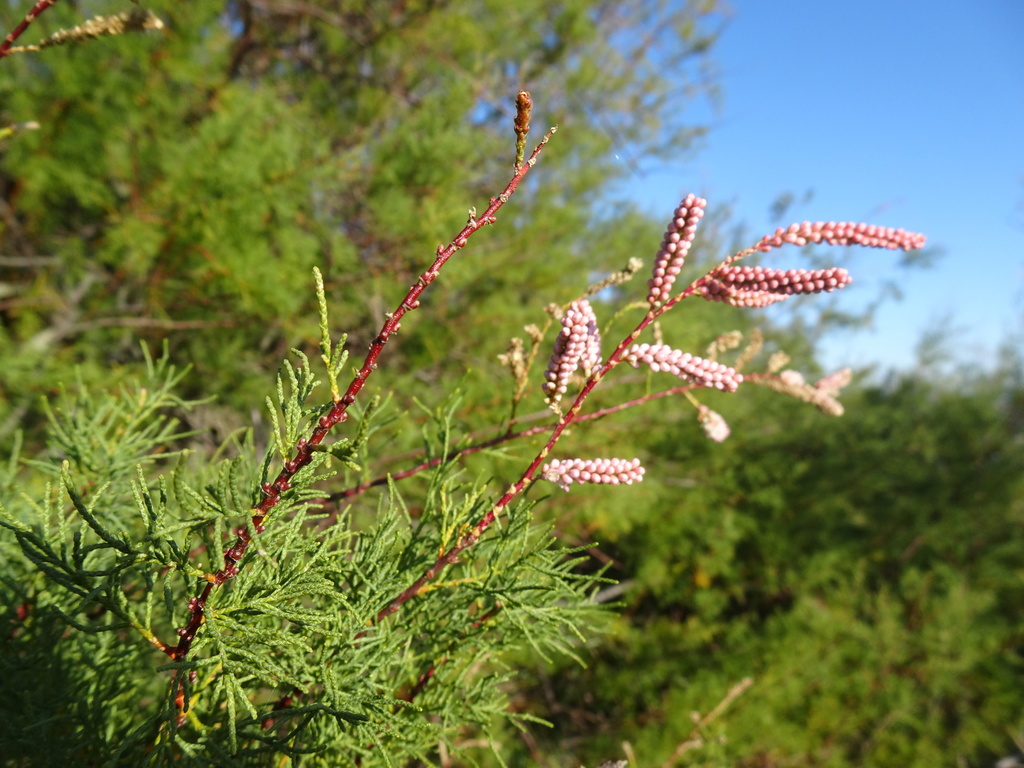
—observations
—countries
—peak records
Least ConcernConservation statusIUCN Red List categoriesLCNTVUENCREWEXLeast ConcernRed List categories, explained →
Diet & prey
- Autotrophic (photosynthesis)
Predators
- Diorhabda leaf beetles
- Domestic goats
- Livestock
ThreatsTargeted biocontrol leaf beetles, herbicide eradication, and severe mechanical clearing
HabitatsCoastal dunes, salt marshes, riverbanks, and disturbed riparian corridors
Life span50–100 years
Size / weightNot available
Classification
- OrderCaryophyllales
- FamilyTamaricaceae
- GenusTamarix
- SpeciesTamarix gallica
Range data is not available yet.
Interaction riskLow
- Low
- Moderate
- High
- Very high
- Why interaction risk is low
- Safe to observe at a normal distance.
Responsible observation
- Foliage Touch: Check the scale-like leaves for a crust of excreted salt crystals.
- Bloom Timing: Look for feathery pink flower plumes along flexible twigs in late spring and summer.
 Image unavailable
Herbivore 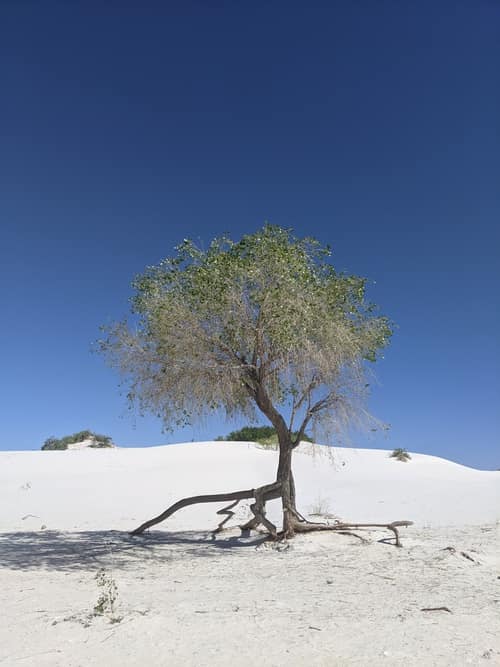
Displaced Competitor (c) Daniel Z, some rights reserved (CC BY) · cc-by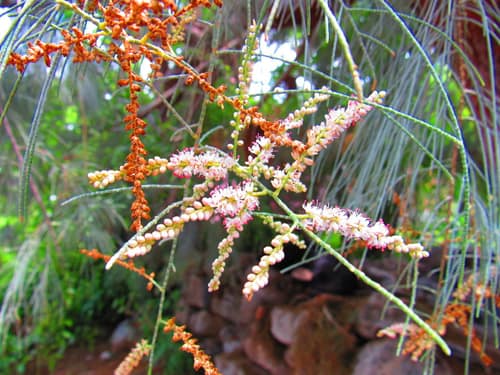
Close Relative (c) Oscar Alejandro Morales Juárez, some rights reserved (CC BY-SA) · cc-by-sa
Help improve the field guideSomething wrong?
Checking your Fauna account…Report a name, category, or profile issue for review.