Also known as Sweet Wormwood, Annual Mugwort, Sweet Sagewort, Annual Wormwood
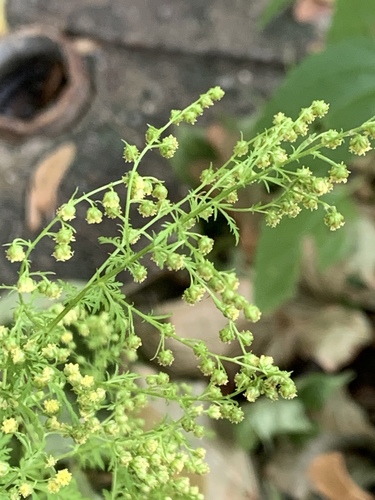
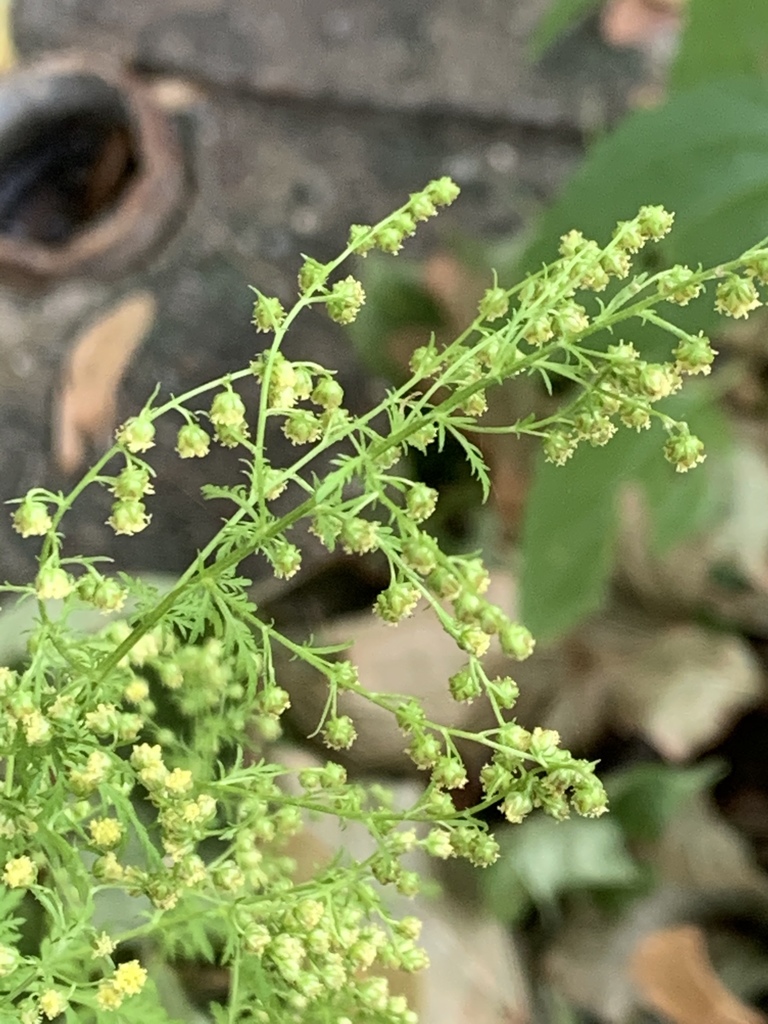
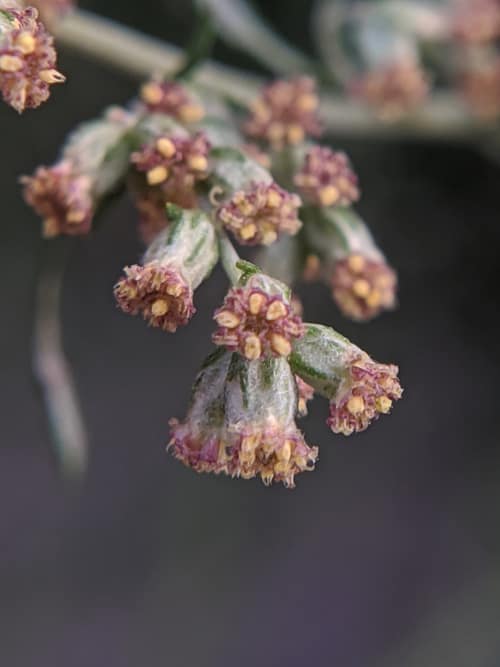
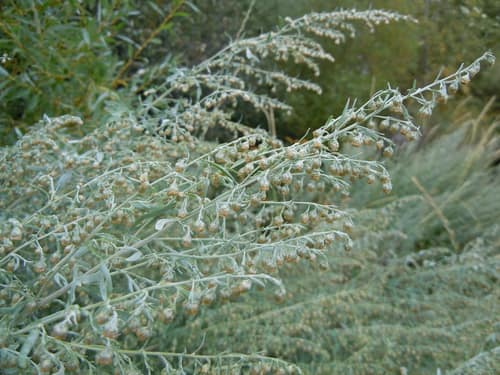
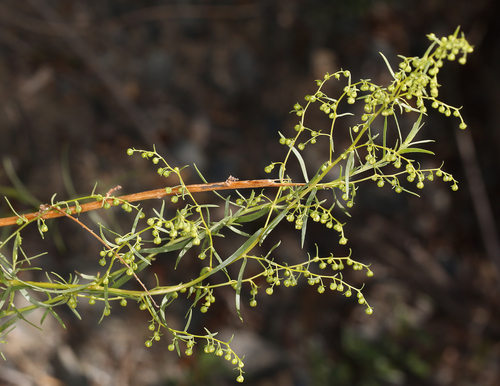
Sweet annie fills warm, open ground with dense plumes of fern-like foliage that release a bright, camphoraceous fragrance at the lightest touch. In late summer, tall branched stems produce thousands of microscopic nodding flowerheads adapted for wind pollination. Widely cultivated across East Asia for over two millennia, its chemical extract artemisinin revolutionized global medicine as a primary weapon against malaria parasites.
Not EvaluatedConservation statusIUCN Red List categoriesLCNTVUENCREWEXNot Evaluated — not placed on the risk ladderRed List categories, explained →
Key facts
Diet & preySunlight, Water, Soil Nutrients
Predators
Aphids
Spider Mites
Cutworms
ThreatsHerbicide application, competitive displacement by other ruderal weeds, intensive mowing
HabitatsDisturbed ground, roadsides, fallow agricultural fields, riverbanks, waste areas
Life span1 year
Classification
OrderAsterales
FamilyAsteraceae
GenusArtemisia
SpeciesArtemisia annua
Range & activity
Range data is not available yet.
Safe observation
Interaction riskHigh
Low
Moderate
High
Very high
Why interaction risk is high
Pollen causes severe seasonal allergies, and raw foliage is toxic to pets if eaten; observe without harvesting.
Why it is dangerous
Windborne pollen acts as a potent respiratory allergen that triggers allergic rhinitis and asthma, while plant terpenes can cause vomiting and tremors in domestic pets.
How to recognize a risky encounter
Look for delicate, deeply divided bright green leaves and a distinct sweet, medicinal scent when foliage is disturbed.
What to do
Sensitive individuals should avoid dense flowering stands in late summer and wash skin thoroughly after contact.
Responsible observation
Scent Detection: Brush a leaf gently to release its intense, sweet herbal aroma without damaging the stem.
Pollination Timing: Watch for nodding, yellowish-green flowering clusters along upper branches from August through October.