
Plant · GBIF taxon 8370958
German Chamomile
Matricaria chamomillaAlso known as Hungarian Chamomile, Wild Chamomile, Blue Chamomile, Scented Mayweed
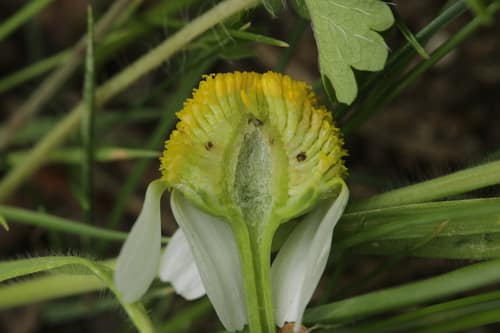
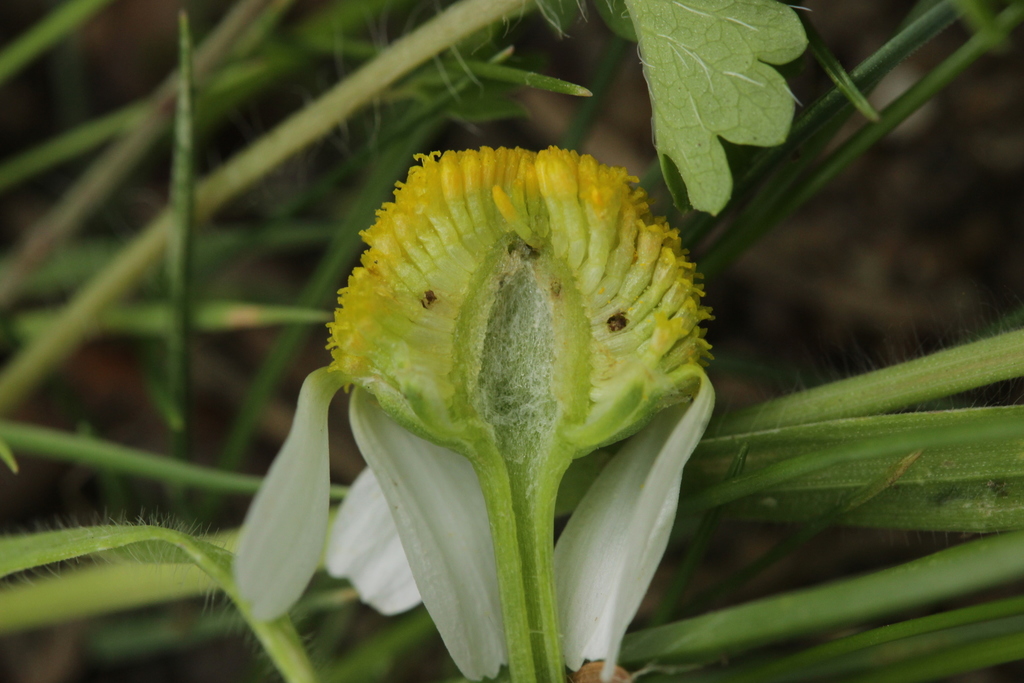
German chamomile thrives as a fast-growing annual in sunny, disturbed soils, producing aromatic composite flower heads with white ray florets and hollow, cone-shaped yellow disks. The foliage is feathery and bipinnate, releasing a sweet apple-like scent when crushed that helps deter mammalian herbivores while attracting beneficial hoverflies and solitary bees. Historically cultivated across Eurasia for herbal infusions and essential oils, it readily colonizes pastures, field margins, and waste grounds around the world.
FloweringAromaticAnnual
 1 / 7
1 / 7—observations
—countries
—peak records
Least ConcernConservation statusIUCN Red List categoriesLCNTVUENCREWEXLeast ConcernRed List categories, explained →
Diet & prey
- Autotrophic (photosynthetic)
Predators
- Aphids
- Slugs
- Caterpillars
ThreatsHerbicide application, intensive agriculture, mechanical mowing
HabitatsDisturbed ground, agricultural field margins, pastures, roadsides, waste places
Life span1 year (annual)
Size / weightNot available
Classification
- OrderAsterales
- FamilyAsteraceae
- GenusMatricaria
- SpeciesMatricaria chamomilla
Range data is not available yet.
Interaction riskHigh
- Low
- Moderate
- High
- Very high
- Why interaction risk is high
- Toxic to dogs and cats if ingested; wild plants resemble poisonous look-alikes like dog chamomile.
- Why it is dangerous
- Contains bisabolol, chamazulene, and coumarin compounds that cause gastrointestinal irritation, vomiting, and contact dermatitis in pets.
- How to recognize a risky encounter
- Recognizable by finely dissected feathery leaves, daisy-like flower heads, and a distinct sweet apple fragrance.
- What to do
- Keep curious pets away from outdoor patches; do not harvest wild plants for home use without confirming absence of irritating look-alikes.
Responsible observation
- Flower inspection: Slice a flower head lengthwise to check for a hollow yellow conical center, which confirms German chamomile.
- Foliage crush: Gently rub the feathery leaves between two fingers to release its distinctive sweet, herbal apple aroma.
- Pet safety: Keep dogs and cats from grazing on the stems, as volatile oils and coumarins cause gastrointestinal upset.
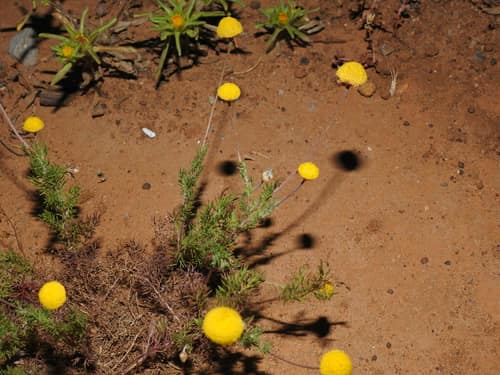
Ecological Look-alike (c) Duarte Frade, some rights reserved (CC BY), uploaded by Duarte Frade · cc-by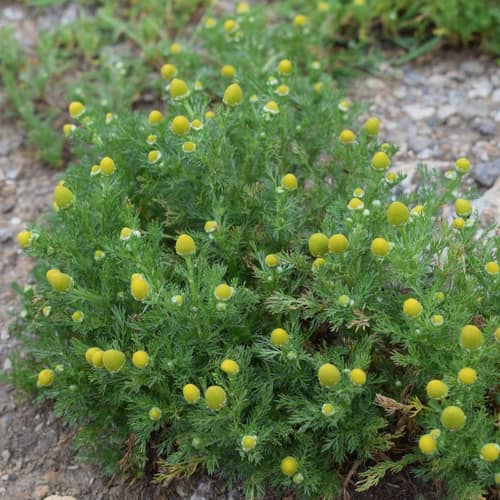
Same Genus no rights reserved, uploaded by Anne Parsons · cc0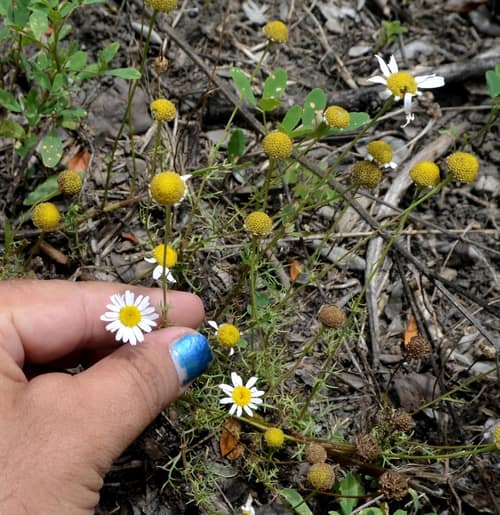
Toxic Look-alike no rights reserved · cc0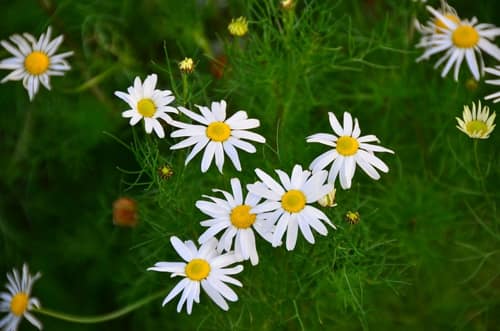
Look-alike (c) Radio Tonreg, some rights reserved (CC BY) · cc-by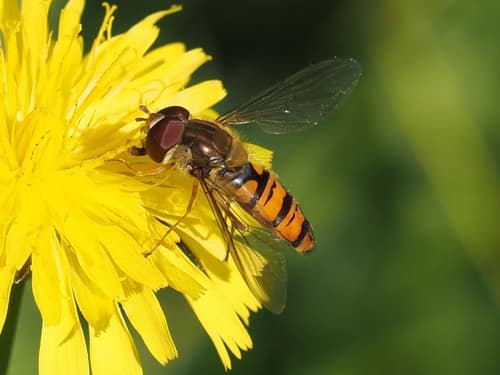
Pollinator (c) Michael Knapp, some rights reserved (CC BY), uploaded by Michael Knapp · cc-by
Help improve the field guideSomething wrong?
Checking your Fauna account…Report a name, category, or profile issue for review.