Also known as Blue Pimpernel, Poor Man's Weatherglass
Foemina blue pimpernel is a low-growing annual herb with square stems and opposite, oval leaves that spreads across sunny, disturbed ground. Its five-petaled cobalt-blue flowers open only in bright sunlight and fold shut ahead of rain or overcast skies, earning it the folk name poor man's weatherglass. Unlike the blue color form of scarlet pimpernel, its petals are narrower, do not overlap at the base, and show finely toothed tips with very few marginal hairs.
Diet & preyPhotosynthetic (sunlight, water, and soil nutrients)
Predators
Slugs
Snails
Aphids
ThreatsHerbicide application, intensive tillage, and dense crop shading
HabitatsArable fields, calcareous soils, roadsides, and disturbed ground
Life spanAnnual (less than 1 year)
Classification
FamilyPrimulaceae
SpeciesLysimachia foemina
Range & activity
Range data is not available yet.
Safe observation
Interaction riskHigh
Low
Moderate
High
Very high
Why interaction risk is high
Contains toxic saponins; do not ingest and keep dogs, cats, and livestock from grazing it.
Why it is dangerous
All parts contain triterpenoid saponins that irritate the digestive tract, causing nausea, vomiting, and diarrhea in humans and pets, and kidney or neurological distress in grazing livestock.
How to recognize a risky encounter
Look for trailing square stems with opposite, dark-spotted leaves and small, deep blue five-petaled flowers whose narrow, toothed petals do not overlap.
What to do
Observe without picking or tasting, wash hands after pulling it as a garden weed, and prevent pets or livestock from eating the foliage.
Responsible observation
Timing: Search during sunny midday hours, since the flowers close tightly in shade or damp weather.
Identification: Check the petal bases for clear gaps and look for few to no tiny glandular hairs on the edges.
Safety: Leave the foliage untouched in gardens or pastures where pets and grazing animals roam.

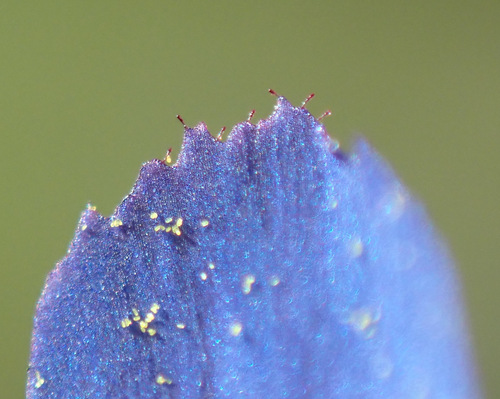
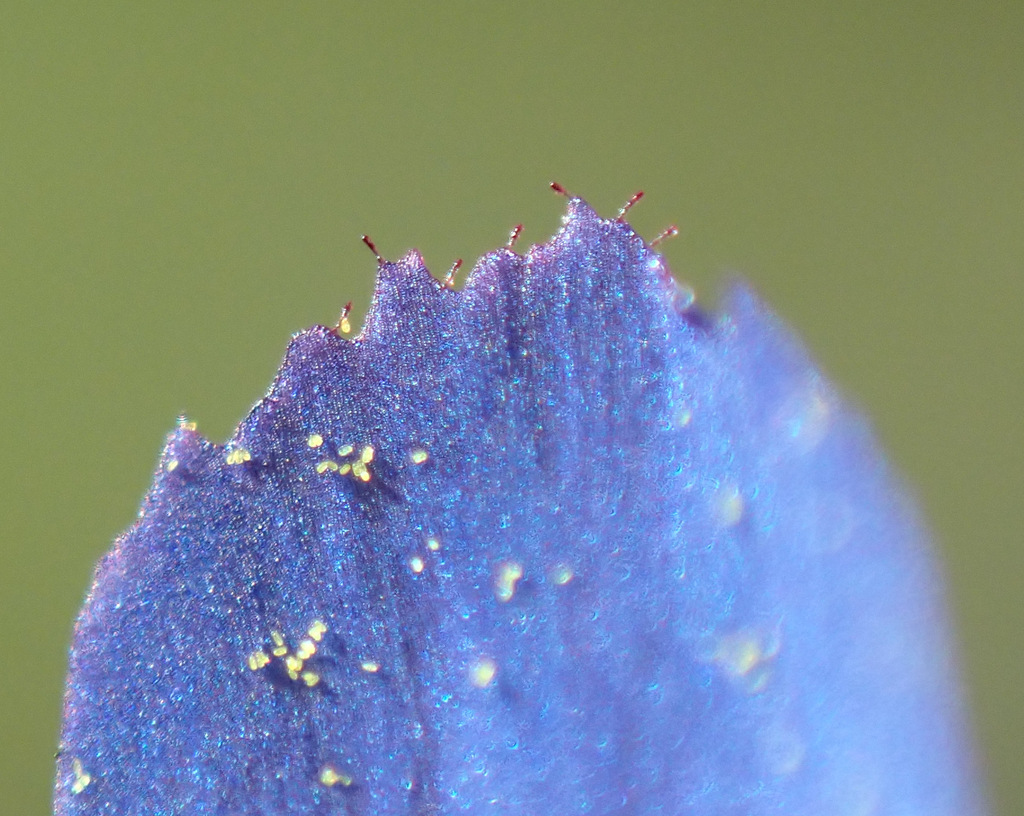
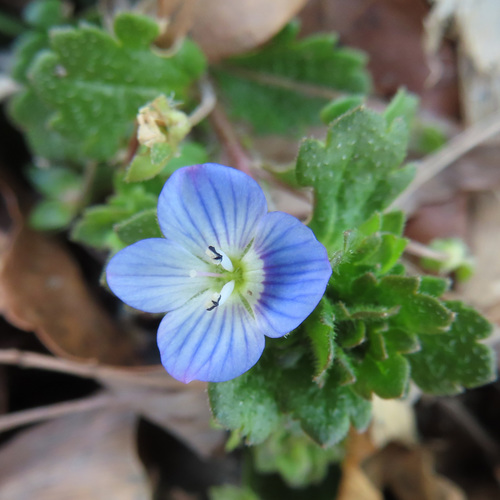
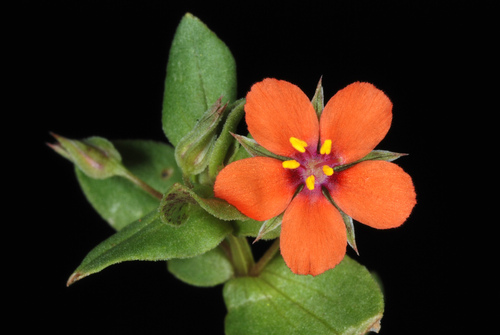
 Image unavailable