
Insect
Common Carpet Moth
Epirrhoe alternataAlso known as White-Banded Toothed Carpet
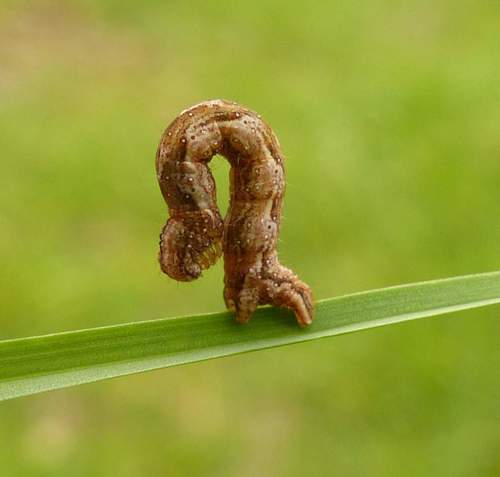
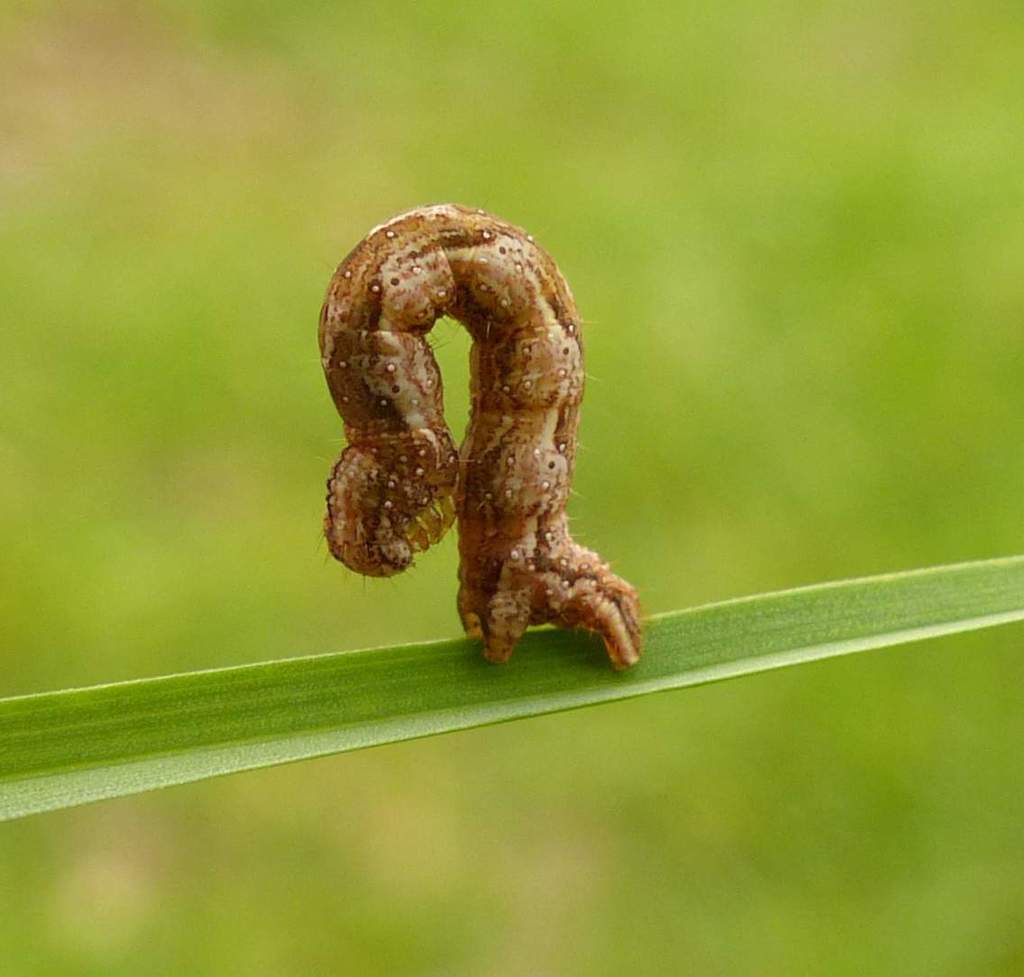
Common carpet moths rest flat against foliage or tree trunks during the day, relying on intricate grey, black, and white banded wing patterns for effective camouflage. Caterpillars feed primarily on various species of bedstraw and cleavers before pupating in loose soil cocoons to overwinter. Adults become active at twilight, flying through gardens, hedgerows, and meadows where they frequently visit lights.
NocturnalCamouflagedMoth
—observations
—countries
—peak records
Least ConcernConservation statusIUCN Red List categoriesLCNTVUENCREWEXLeast ConcernRed List categories, explained →
Diet & preyBedstraw (Galium spp.), Cleavers, Flower Nectar
Predators
- Bats
- Insectivorous Birds
- Spiders
ThreatsHabitat loss and artificial light pollution
HabitatsWoodland edges, gardens, hedgerows, meadows, and scrubland
Life span1–2 months as adult; up to 1 year total life cycle
Classification
- OrderLepidoptera
- FamilyGeometridae
- GenusEpirrhoe
- SpeciesEpirrhoe alternata
Range data is not available yet.
Interaction riskLow
- Low
- Moderate
- High
- Very high
- Why interaction risk is low
- Safe to observe at a normal distance.
Responsible observation
- Nighttime Lighting: Observe adult moths around garden lights or porch lamps after dusk.
- Planting Host Plants: Maintain patches of native bedstraw and cleavers to encourage breeding in green spaces.
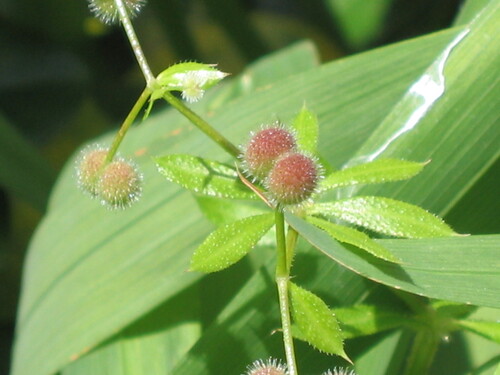
Host Plant (c) zebedeugalinha, some rights reserved (CC BY) · cc-by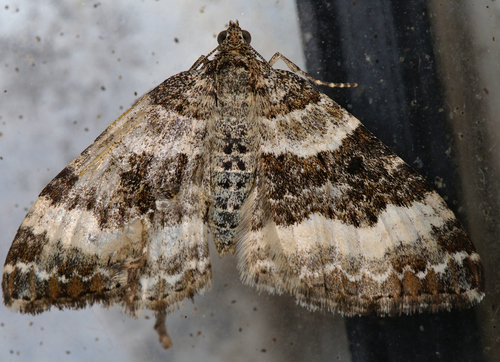
Close Relative (c) Gilles San Martin, some rights reserved (CC BY-SA) · cc-by-sa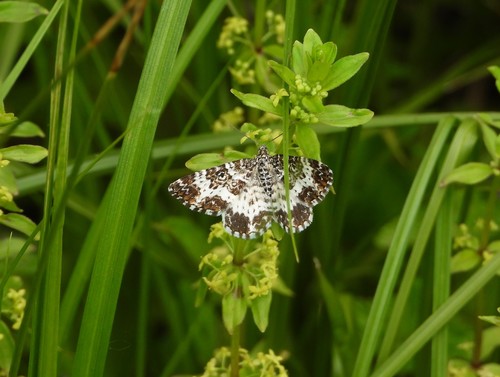
Close Relative (c) Simone Bocca, some rights reserved (CC BY-SA) · cc-by-sa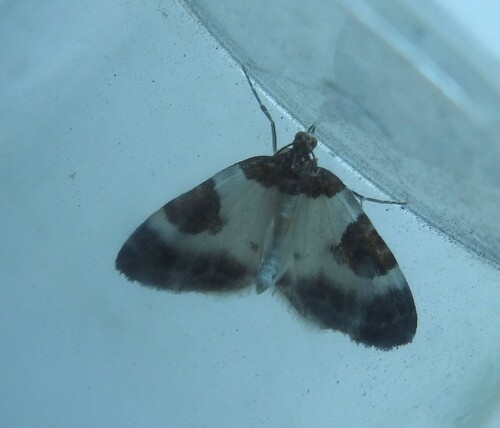
Family Member (c) Stephen M., some rights reserved (CC BY-SA) · cc-by-sa
Keep collecting in Fauna
Found in Collections
Species set
Moonlight Marvels
Common Carpet Moth is found in this collection. Identify it in Fauna to fill this slot and continue your progress.
—/7
Help improve the field guideSomething wrong?
Checking your Fauna account…Report a name, category, or profile issue for review.