
Plant · GBIF taxon 8351737
English Ivy
Hedera helixAlso known as Common Ivy, European Ivy, Woodbine
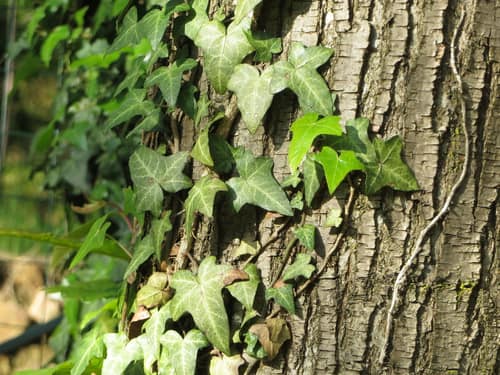
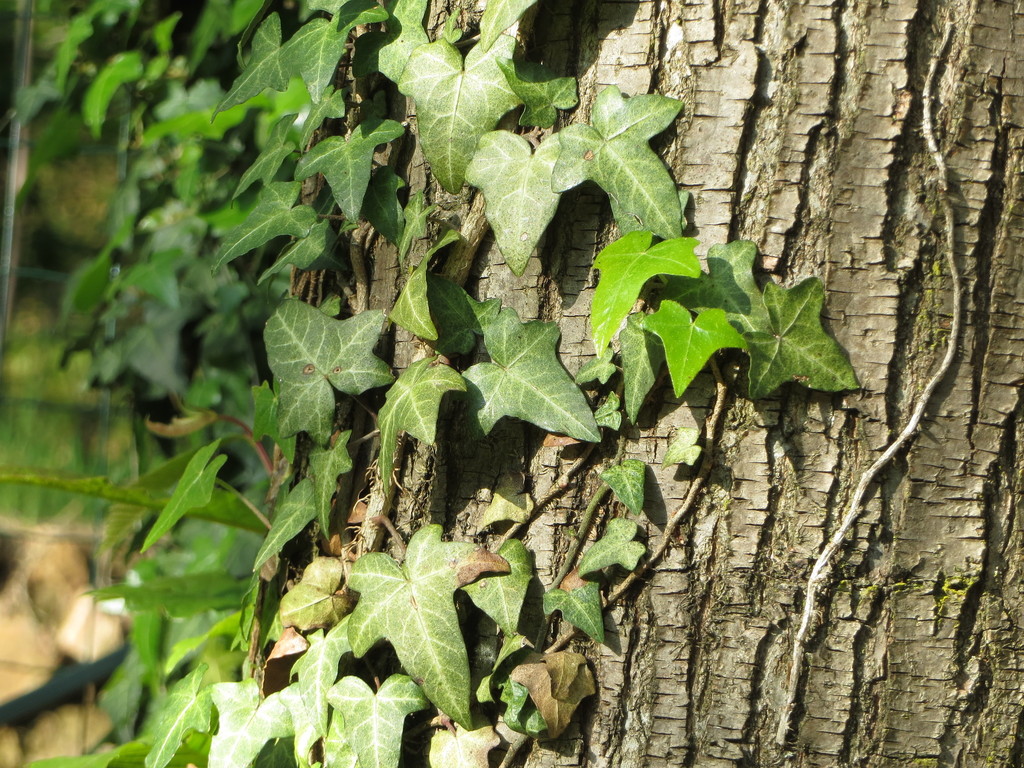
English ivy is a remarkably resilient evergreen vine that uses specialized aerial rootlets to scale tree trunks, stone walls, and forest floors. Young juvenile shoots feature characteristically lobed foliage, while mature fruiting branches produce unlobed leaves alongside winter clusters of dark purple berries. Outside its native European range, this vine frequently forms dense, light-blocking carpets that smother understory plants and weigh down mature tree canopies.
EvergreenVineInvasive
 1 / 7
1 / 7—observations
—countries
—peak records
Least ConcernConservation statusIUCN Red List categoriesLCNTVUENCREWEXLeast ConcernRed List categories, explained →
Diet & prey
- Autotrophic (Photosynthesis)
Predators
Not available
ThreatsMechanical clearing, shaded canopy loss, and targeted herbicide application in non-native ranges
HabitatsWoodlands, temperate forests, urban parks, garden walls, and disturbed ground
Life spanUp to 400 years
Size / weightNot available
Classification
- OrderApiales
- FamilyAraliaceae
- GenusHedera
- SpeciesHedera helix
Range data is not available yet.
Interaction riskHigh
- Low
- Moderate
- High
- Very high
- Why interaction risk is high
- Leaves and berries contain toxic saponins; wear gloves when clearing and never ingest wild berries.
- Why it is dangerous
- Contains triterpenoid saponins and falcarinol, which cause allergic contact dermatitis, severe stomach distress, and vomiting if ingested.
- How to recognize a risky encounter
- Recognized by dark green lobed leaves, tough clinging aerial rootlets, and winter-ripening dark purple berries.
- What to do
- Wear heavy gloves and protective clothing when pulling or pruning foliage, and keep away from pets.
Responsible observation
- Identification: Look for glossy, dark green leaves with pale veins on climbing juvenile stems.
- Management: Cut climbing vines at the base of trees to kill upper growth without damaging bark.
- Handling: Wear heavy gloves and long sleeves when pruning to prevent contact dermatitis.
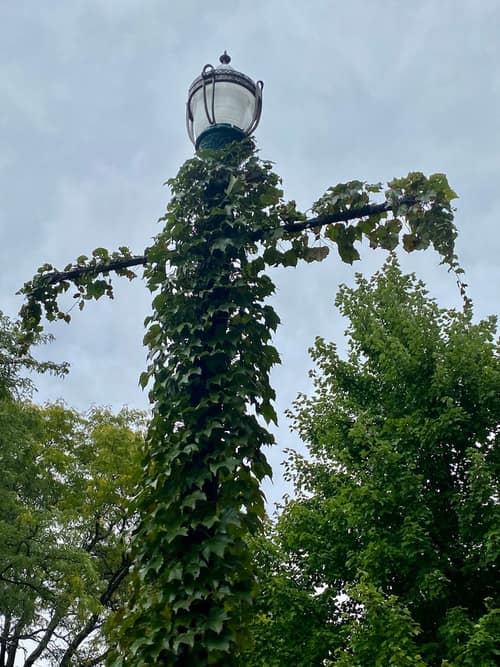
Look-alike Vine (c) Sandy Wolkenberg, some rights reserved (CC BY) · cc-by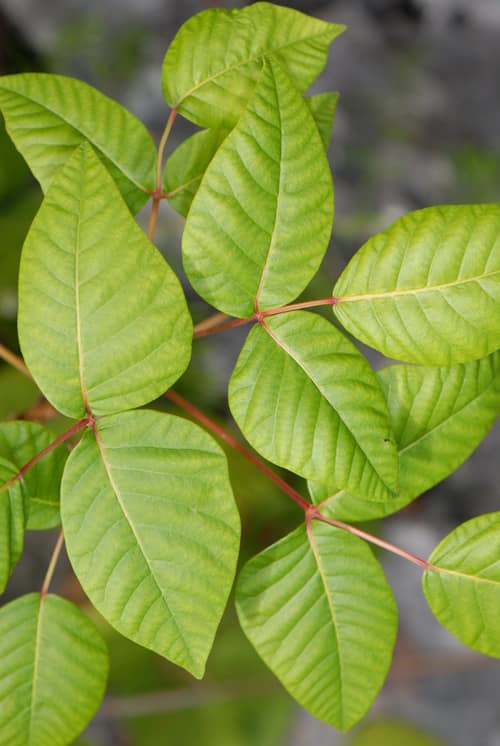
Look-alike Plant (c) Sam Fraser-Smith, some rights reserved (CC BY) · cc-by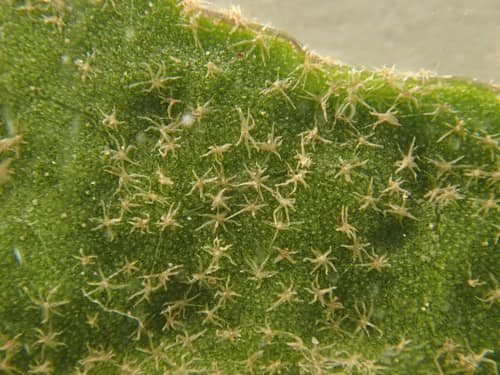
Close Relative (c) Jamie O'Neill, some rights reserved (CC BY), uploaded by Jamie O'Neill · cc-by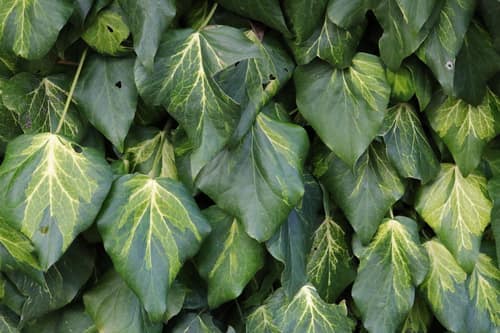
Close Relative no rights reserved, uploaded by Stephen James McWilliam · cc0
Help improve the field guideSomething wrong?
Checking your Fauna account…Report a name, category, or profile issue for review.