
Plant
Desert Marigold
Baileya multiradiataAlso known as Wild Marigold, Showy Desert Marigold, Paper Daisy
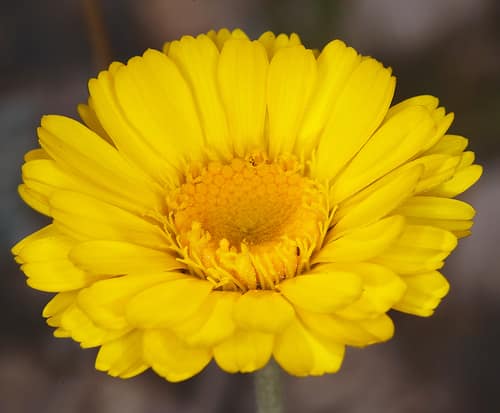
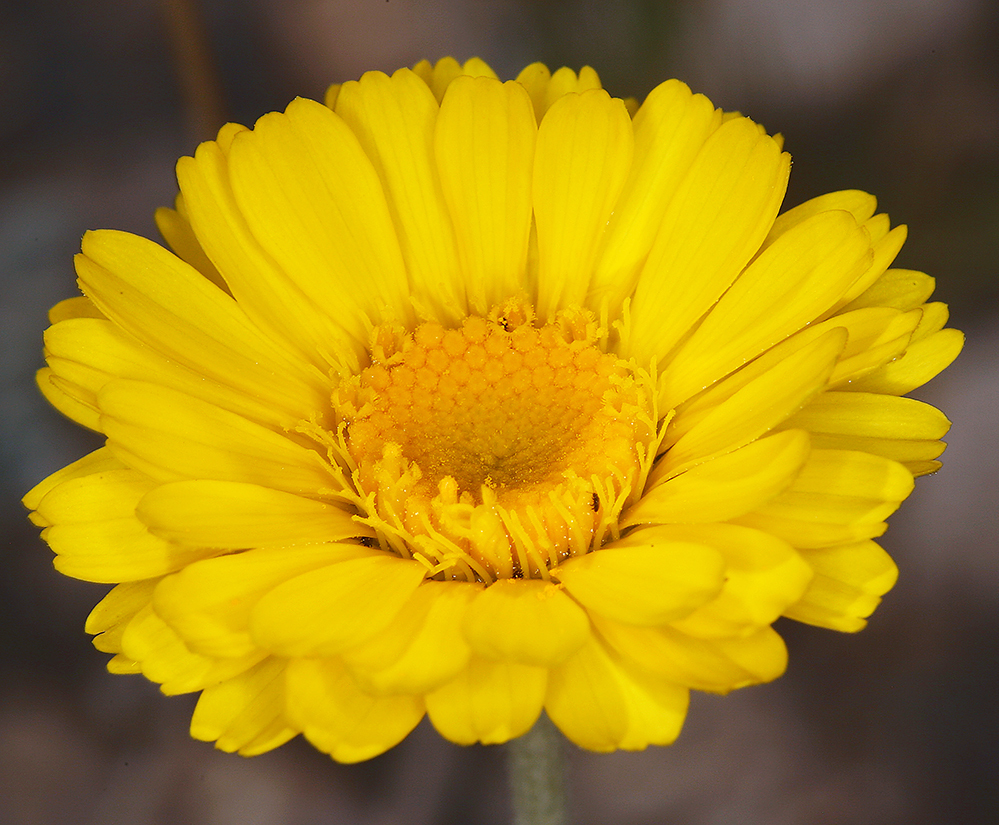
Desert marigolds brighten arid Southwestern landscapes with dense mounds of silver-woolly foliage topped by long-stemmed, golden-yellow daisy heads. Adapted to harsh sunlight and poor soils, the dense pale hairs covering the leaves reflect intense desert radiation and dramatically slow moisture loss. After erratic desert rains, plants bloom profusely over many months, providing a dependable nectar source for native desert bees, butterflies, and beetles.
Drought-TolerantDesert FloraWildflower
—observations
—countries
—peak records
Not EvaluatedConservation statusIUCN Red List categoriesLCNTVUENCREWEXNot Evaluated — not placed on the risk ladderRed List categories, explained →
Diet & preySunlight, Water, Soil Minerals
Predators
- Desert Cottontail
- Grasshopper
- Caterpillar
ThreatsHabitat destruction from urban expansion and invasive non-native grasses
HabitatsArid plains, sandy washes, gravelly slopes, and desert roadsides
Life spanShort-lived perennial (typically 2–5 years, often behaving as an annual)
Classification
- FamilyAsteraceae
- SpeciesBaileya multiradiata
Range data is not available yet.
Interaction riskHigh
- Low
- Moderate
- High
- Very high
- Why interaction risk is high
- Toxic to sheep, goats, and grazing livestock if ingested; observe wild plants without picking or ingesting.
- Why it is dangerous
- Contains toxic sesquiterpene lactones that cause severe poisoning, liver damage, and kidney failure in grazing livestock, especially sheep.
- How to recognize a risky encounter
- Look for rounded mounds of woolly, grayish-green leaves producing brilliant yellow solitary daisy heads on tall, leafless stalks.
- What to do
- Safe to view and photograph from a distance, but keep foraging livestock and pets from grazing on the stems and blossoms.
Responsible observation
- Photography: Best photographed in early morning light when the golden rays open wide and contrast with silvery foliage.
- Pasture Caution: Prevent livestock, particularly sheep and goats, from grazing heavily in areas where dense colonies thrive.
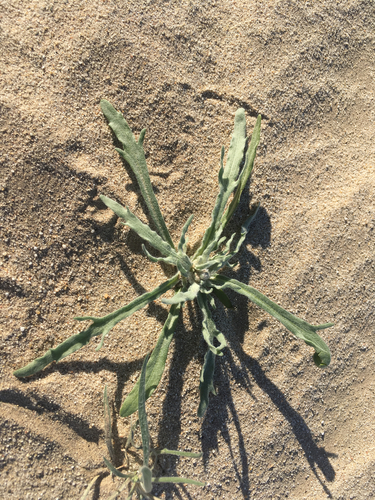
Same Genus (c) W. Terry Hunefeld, some rights reserved (CC BY) · cc-by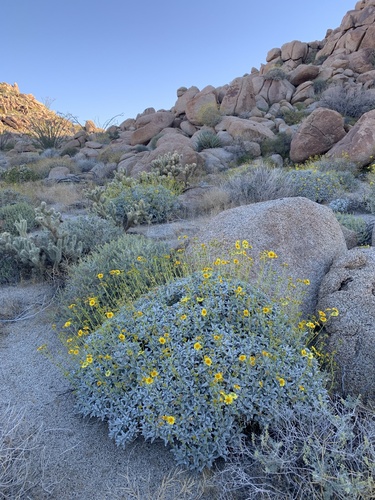
Neighbor no rights reserved · cc0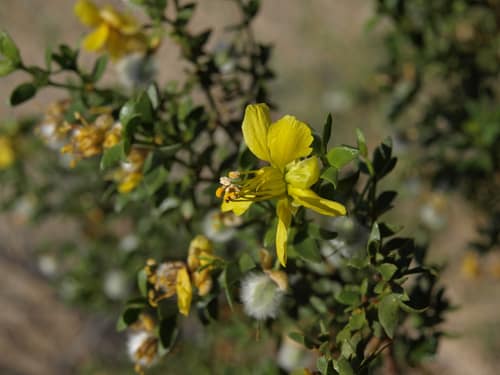
Frequent Companion (c) Jim Morefield, some rights reserved (CC BY), uploaded by Jim Morefield · cc-by
Neighbor (c) W. Terry Hunefeld, some rights reserved (CC BY), uploaded by W. Terry Hunefeld · cc-by
Help improve the field guideSomething wrong?
Checking your Fauna account…Report a name, category, or profile issue for review.