
Bird
House Finch
Haemorhous mexicanusAlso known as Hollywood Finch, Linnet
Male house finches earn their vibrant red plumage through carotenoid pigments ingested in their seed-rich diet, varying in hue from bright crimson to yellowish-orange depending on nutritional intake. Flocks are ubiquitous around human habitations, where they sing a cheery, warbling song year-round from perches and overhead wires. Highly social granivores, they readily frequent backyard feeders alongside other songbirds while maintaining a steady diet of wild weed seeds.
SongbirdGranivoreUrban Wildlife
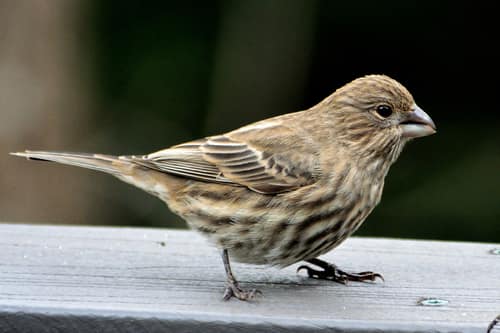
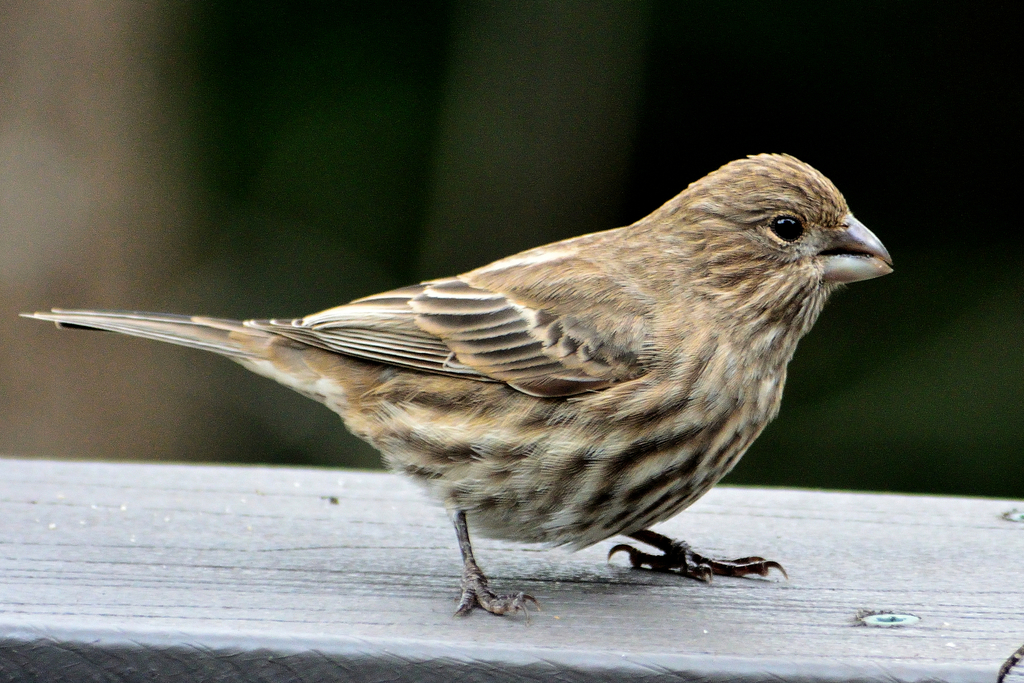
—observations
—countries
—peak records
Least ConcernConservation statusIUCN Red List categoriesLCNTVUENCREWEXLeast ConcernRed List categories, explained →
Diet & preySunflower Seeds, Thistle Seeds, Weed Seeds
Predators
- Cooper's Hawk
- Sharp-shinned Hawk
- Domestic Cat
ThreatsAvian eye disease (mycoplasmal conjunctivitis), window collisions, outdoor cats
HabitatsSuburbs, urban parks, deserts, shrublands, agricultural fields
Life span5–11 years
Classification
- OrderPasseriformes
- FamilyFringillidae
- GenusHaemorhous
- SpeciesHaemorhous mexicanus
Range data is not available yet.
Interaction riskLow
- Low
- Moderate
- High
- Very high
- Why interaction risk is low
- Safe to observe at a normal distance.
Responsible observation
- Feeder Hygiene: Disinfect seed feeders every few weeks to prevent the spread of finch eye disease.
- Distinction: Check the belly for heavy brown streaking to tell male house finches from purple finches.
- Landscaping: Leave native seed heads intact during winter to provide a reliable natural food source.
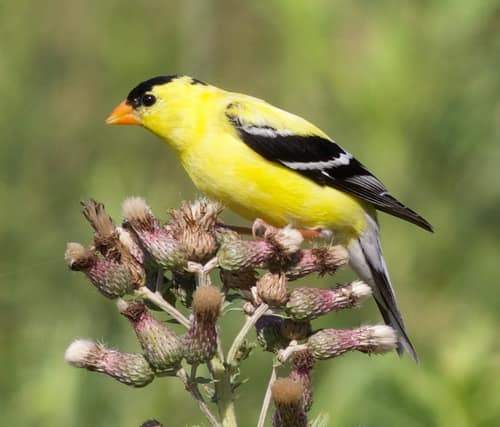
Co-occurring Finch no rights reserved, uploaded by Glenn Berry · cc0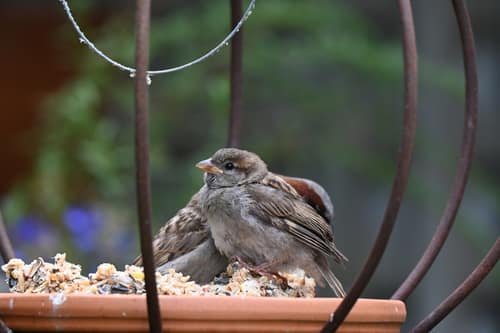
Competitor (c) jraus, some rights reserved (CC BY-SA) · cc-by-sa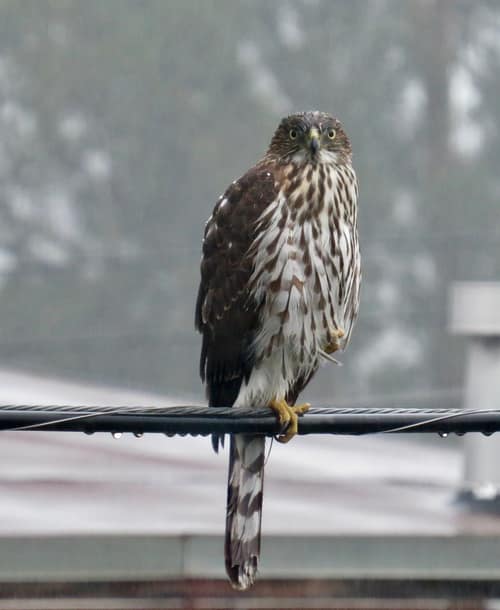
Predator "Cooper's Hawk - immature" by Kaaren Perry is licensed under CC BY 2.0. To view a copy of this license, visit https://creativecommons.org/licenses/by/2.0/. · cc-by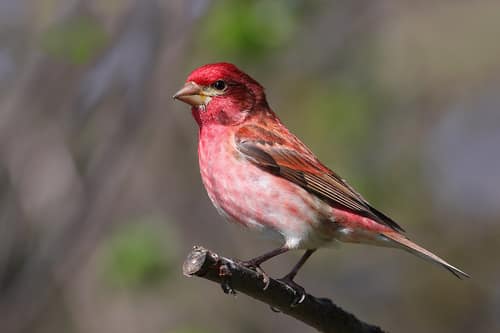
Close Relative Cephas / CC BY-SA 3.0 · cc-by-sa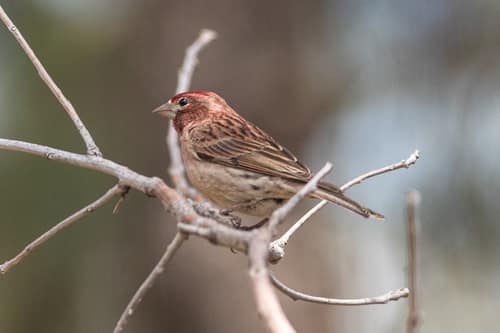
Close Relative no rights reserved · cc0
Help improve the field guideSomething wrong?
Checking your Fauna account…Report a name, category, or profile issue for review.