
Plant
Dwarf Umbrella Tree
Schefflera arboricolaAlso known as Dwarf Umbrella Plant, Hawaiian Schefflera, Arboricola, Parasol Plant
Dwarf umbrella trees often begin life as epiphytes, germinating high in the forks of mature forest trees before dropping aerial roots to anchor into the ground. Their glossy, palmately compound leaves radiate in neat rosettes of seven to nine leaflets, creating dense foliage that shelters small reptiles and invertebrates. Widely cultivated across the globe as durable houseplants and tropical hedges, they tolerate deep shade and drought with exceptional hardiness.
EvergreenEpiphyteHouseplant
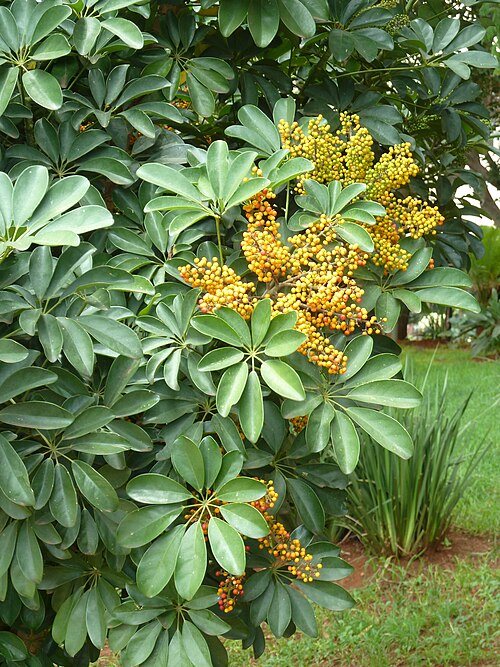
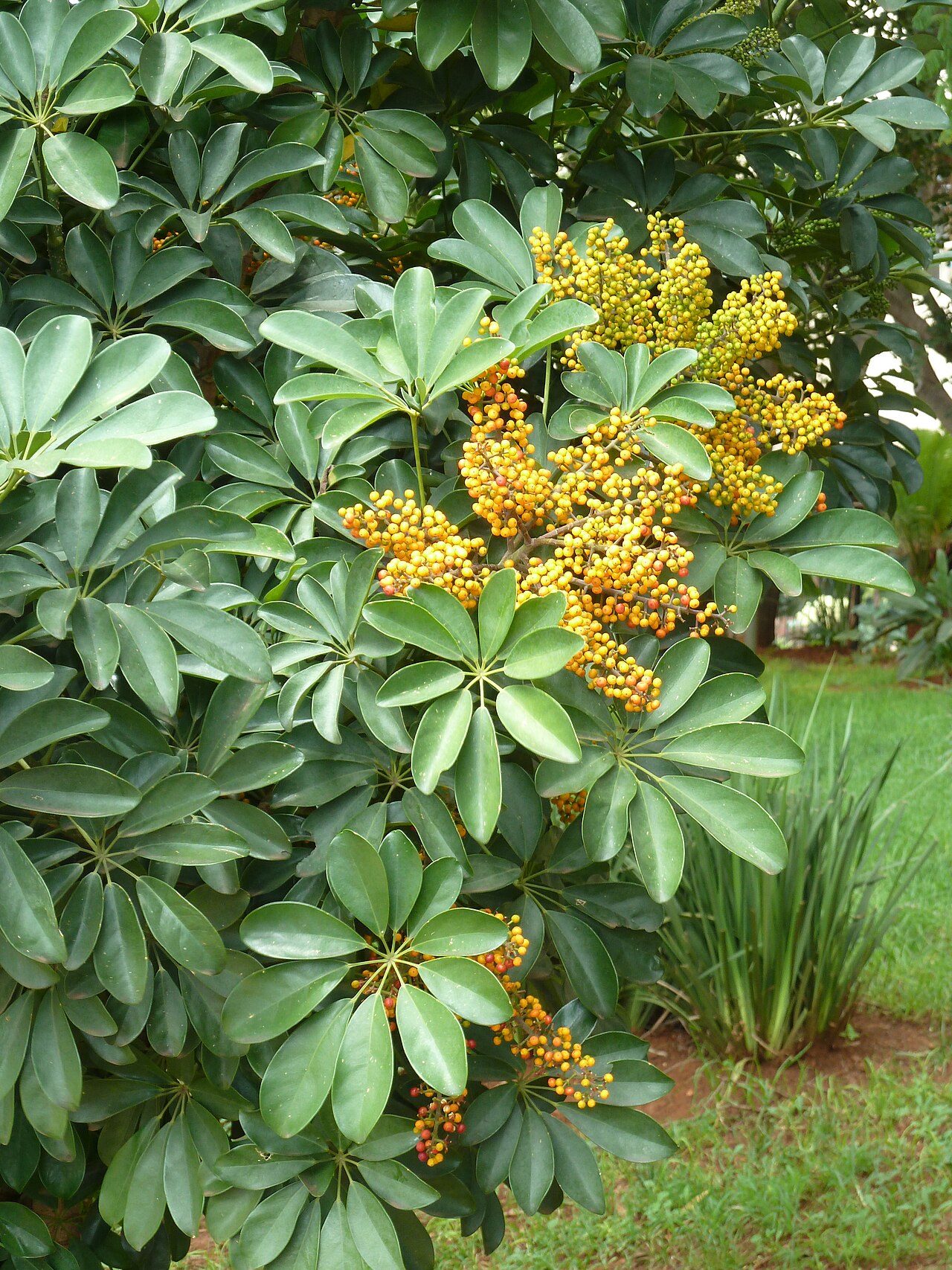
—observations
—countries
—peak records
Least ConcernConservation statusIUCN Red List categoriesLCNTVUENCREWEXLeast ConcernRed List categories, explained →
Diet & preySunlight, Water, Soil Nutrients
Predators
- Spider Mites
- Scale Insects
- Mealybugs
ThreatsHabitat clearance in native range and frost exposure in cool regions
HabitatsTropical rainforests, wet subtropical forests, and coastal thickets
Life span20–40 years
Classification
- OrderApiales
- FamilyAraliaceae
- GenusSchefflera
- SpeciesSchefflera arboricola
Range data is not available yet.
Interaction riskHigh
- Low
- Moderate
- High
- Very high
- Why interaction risk is high
- Contains insoluble calcium oxalates toxic to pets and humans if chewed; never eat wild berries.
- Why it is dangerous
- Plant tissues contain microscopic, needle-sharp calcium oxalate crystals that pierce oral tissue, causing intense mouth pain, swelling, drooling, and vomiting.
- How to recognize a risky encounter
- Look for glossy, umbrella-shaped whorls of seven to nine oval leaflets radiating from a central stem.
- What to do
- Place houseplants out of reach of curious pets, and wash skin thoroughly after pruning leaves or branches.
Responsible observation
- Light Placement: Provide bright, indirect sunlight to preserve dense foliage and leaf variegation.
- Pet Safety: Keep indoor containers well out of reach of domestic cats and dogs.
- Pruning Care: Rinse hands or wear garden gloves after trimming stems to avoid mild sap irritation.
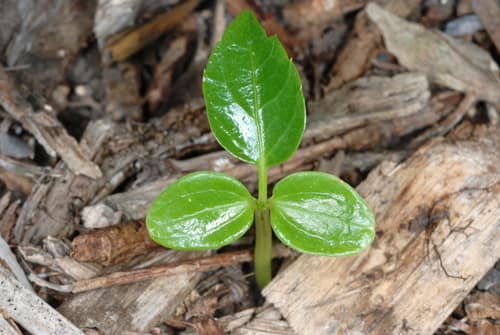
Close Relative (c) Douglas Goldman, some rights reserved (CC BY-SA), uploaded by Douglas Goldman · cc-by-sa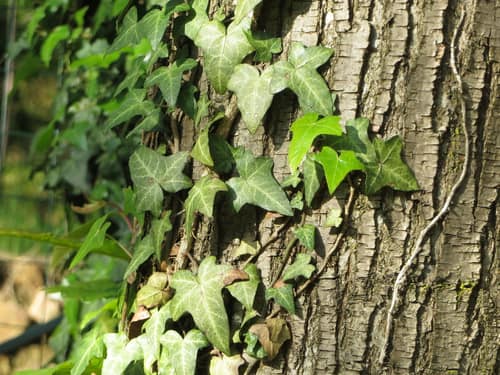
Family Relative (c) Marianna Boi, some rights reserved (CC BY), uploaded by Marianna Boi · cc-by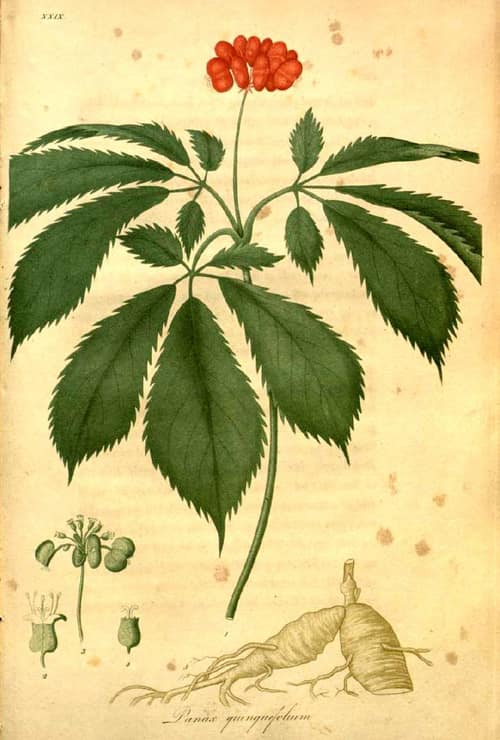
Family Relative Jacob Bigelow (1786-1879), text and coloured engravings / Public domain · cc0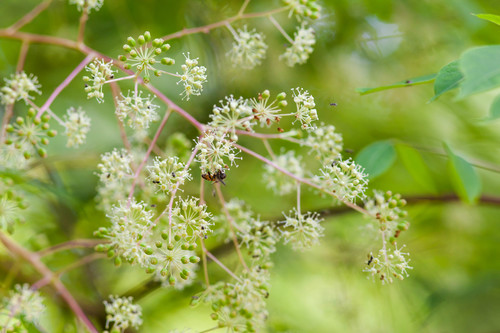
Family Relative (c) Melissa McMasters, some rights reserved (CC BY) · cc-by
Help improve the field guideSomething wrong?
Checking your Fauna account…Report a name, category, or profile issue for review.