
Mammal · GBIF taxon 8316400
Common Shrew
Sorex araneusAlso known as Eurasian Shrew, Eurasian Common Shrew
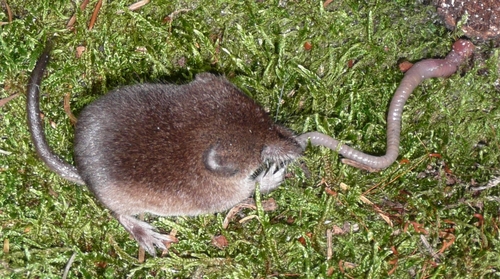
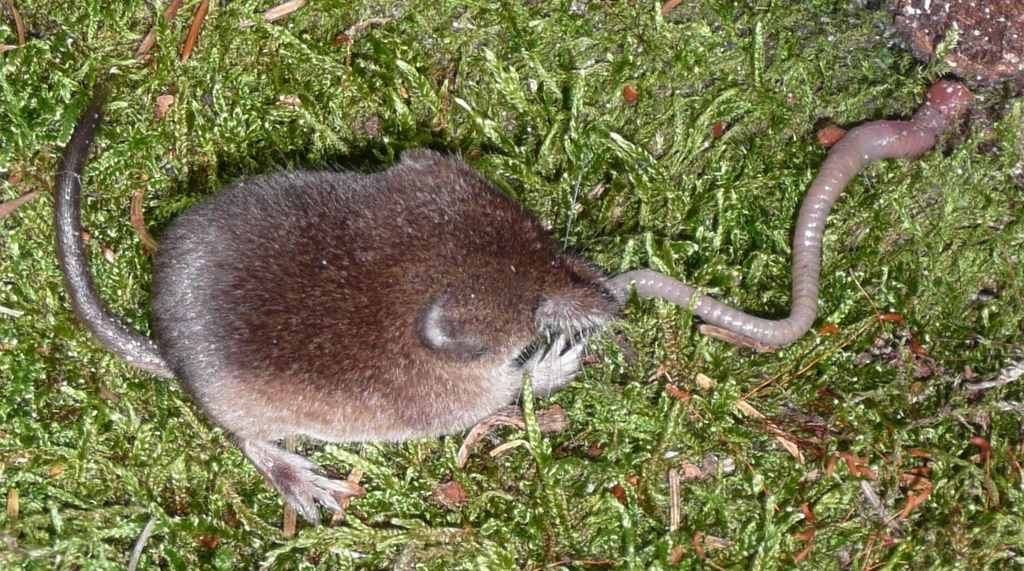
Common shrews lead hyperactive lives driven by an exceptionally high metabolic rate, requiring them to eat nearly their own body weight in food every day. Their distinctive red-tipped teeth contain iron deposits that strengthen enamel against wear from crunching tough insect exoskeletons. Highly territorial and vocal, they defend their tiny home ranges with a continuous series of high-pitched squeaks and chirps.
HyperactiveInsectivoreTerritorial
—observations
—countries
—peak records
Least ConcernConservation statusIUCN Red List categoriesLCNTVUENCREWEXLeast ConcernRed List categories, explained →
Diet & prey
- Earthworms
- Beetles
- Slugs
Predators
- Barn Owl
- Red Fox
- Eurasian Weasel
ThreatsPesticide use reducing prey availability, habitat loss, and domestic cat predation
HabitatsDeciduous woodlands, grasslands, hedgerows, and overgrown gardens
Life span12–14 months
Classification
- OrderSoricomorpha
- FamilySoricidae
- GenusSorex
- SpeciesSorex araneus
Range data is not available yet.
Interaction riskVery high
- Low
- Moderate
- High
- Very high
- Why interaction risk is very high
- Possesses mildly paralytic saliva for immobilizing prey and can nip if handled; observe without touching.
Responsible observation
- Listen closely: Listen for thin, high-pitched squeaks coming from thick leaf litter or hedgerows.
- Look for runways: Search along dense grass bases for narrow, flattened tunnels used as feeding corridors.
- Protect local populations: Keep domestic cats indoors at night to reduce heavy predation on local shrews.

Predator (c) caroline legg, some rights reserved (CC BY) · cc-by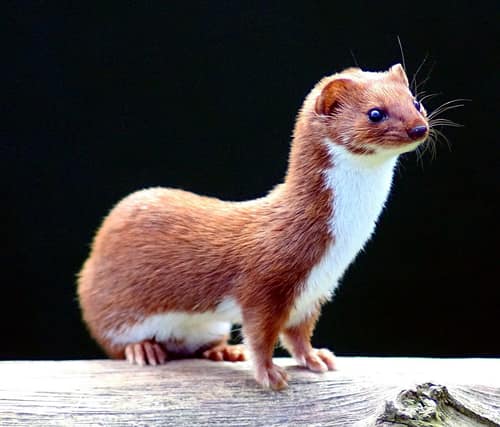
Predator Keven Law / CC BY-SA 2.0 · cc-by-sa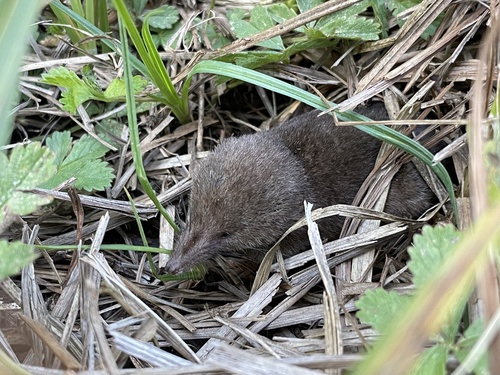
Close Relative no rights reserved · cc0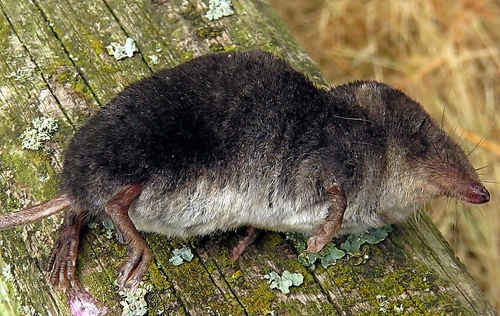
Close Relative (c) Ian Ballam, some rights reserved (CC BY), uploaded by Ian Ballam · cc-by
Help improve the field guideSomething wrong?
Checking your Fauna account…Report a name, category, or profile issue for review.