
Plant
Pin Oak
Quercus palustrisAlso known as Swamp Oak, Swamp Spanish Oak
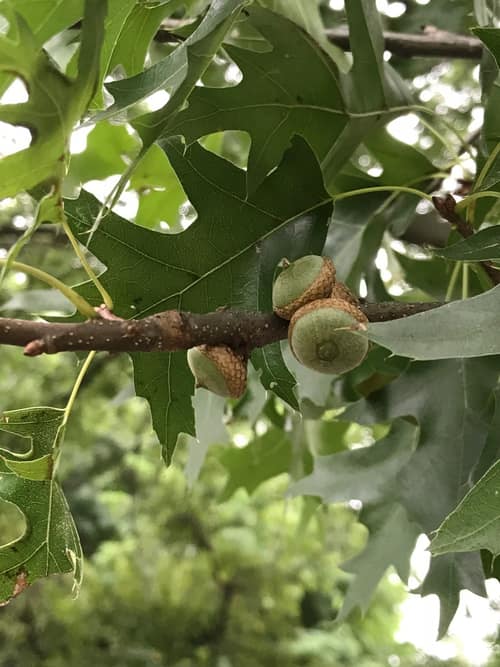
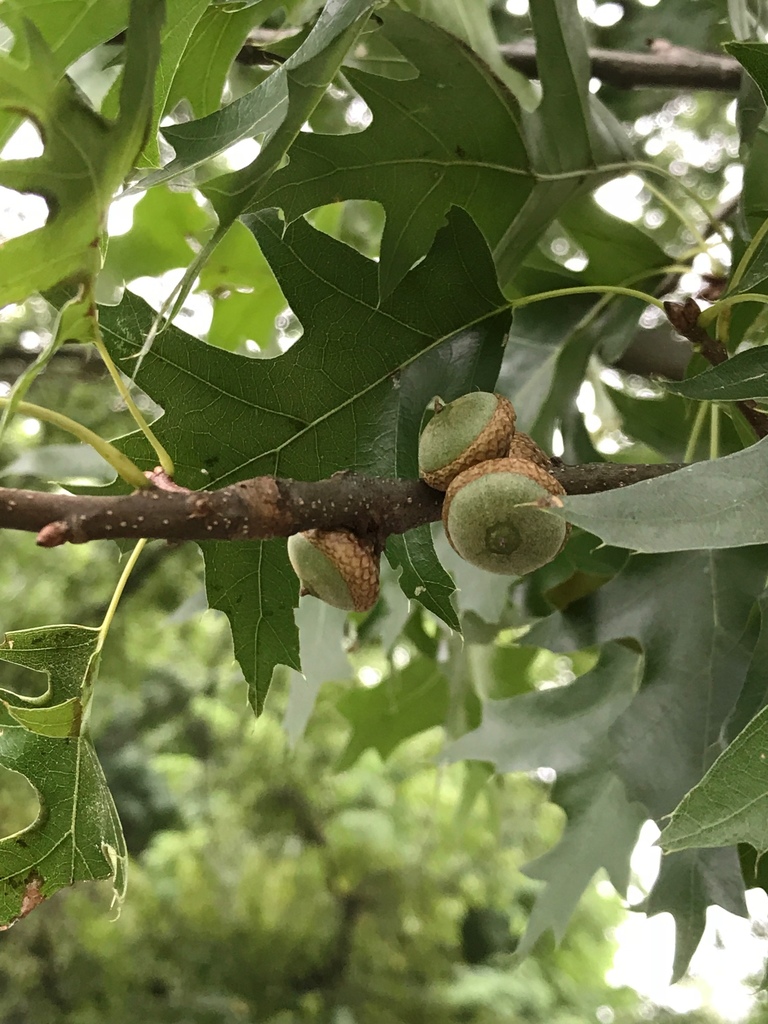
Pin oaks feature a distinctive pyramidal silhouette characterized by weeping lower branches, horizontal middle branches, and upright top branches. Native to wetland margins across eastern North America, their deeply lobed leaves turn brilliant crimson in late autumn. Small, striped acorns provide crucial autumn nourishment for waterfowl, wild turkeys, and tree squirrels.
DeciduousTreeAutumn Color
—observations
—countries
—peak records
Least ConcernConservation statusIUCN Red List categoriesLCNTVUENCREWEXLeast ConcernRed List categories, explained →
Diet & preyAutotrophic (Photosynthesis)
Predators
- Gypsy Moth Caterpillars
- Oak Leaf Skeletonizers
- Gall Wasps
ThreatsOak wilt, iron chlorosis, gypsy moth infestation
HabitatsFloodplains, bottomland forests, wetland edges, suburban parks
Life span100–150 years
Classification
- OrderFagales
- FamilyFagaceae
- GenusQuercus
- SpeciesQuercus palustris
Range data is not available yet.
Interaction riskLow
- Low
- Moderate
- High
- Very high
- Why interaction risk is low
- Safe to observe at a normal distance.
Responsible observation
- Branching Pattern: Inspect the canopy silhouette for downward-angled lower limbs characteristic of the species.
- Fall Foliage: Look for deeply cut, glossy leaves turning deep red or bronze in October.
- Soil Health: Note yellowing leaves on urban trees, often a sign of iron chlorosis from alkaline soil.
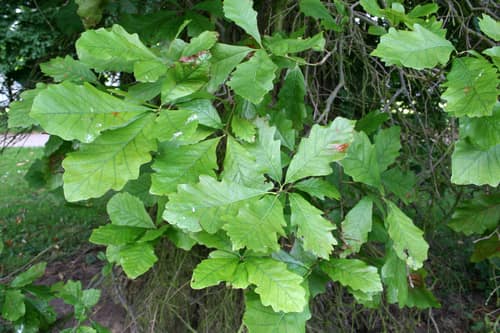
Co-occurring Oak (c) Jean-Pol GRANDMONT, some rights reserved (CC BY-SA) · cc-by-sa
Acorn Consumer Chuck Homler d/b/a FocusOnwWildlife / CC BY-SA 4.0 · cc-by-sa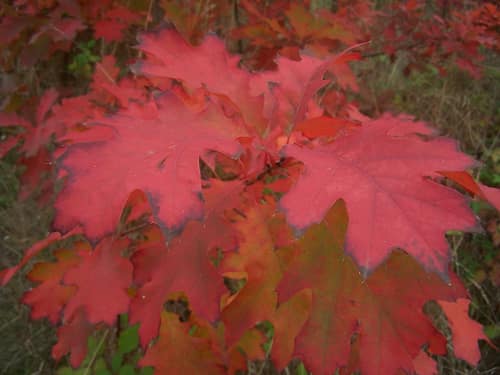
Close Relative no rights reserved · cc0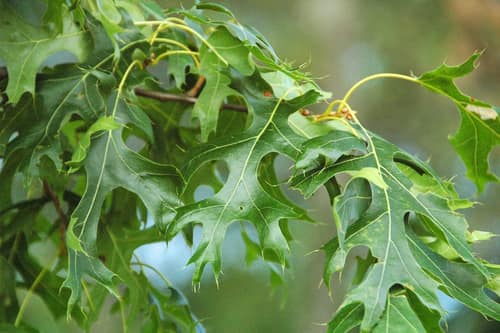
Close Relative James St. John / CC BY 2.0 · CC BY 2.0
Keep collecting in Fauna
Found in Collections
Ecosystem chain
The Forest Floor
Pin Oak is found in this collection. Identify it in Fauna to fill this slot and continue your progress.
—/12
Help improve the field guideSomething wrong?
Checking your Fauna account…Report a name, category, or profile issue for review.