
Plant
Tea-oil Camellia
Camellia oleiferaAlso known as Oil-seed Camellia, Tea Oil Tree
Tea-oil camellia is an evergreen broadleaf shrub or small tree celebrated for its glossy foliage and solitary, sweet-smelling white blossoms that emerge in late autumn. Cultivated for over a millennium across southern China, its woody capsules yield prized golden oil rich in oleic acid and antioxidants. In natural hillside habitats, the species provides crucial late-season nectar for native bees when few other forest understory plants are flowering.
EvergreenFloweringCultivated
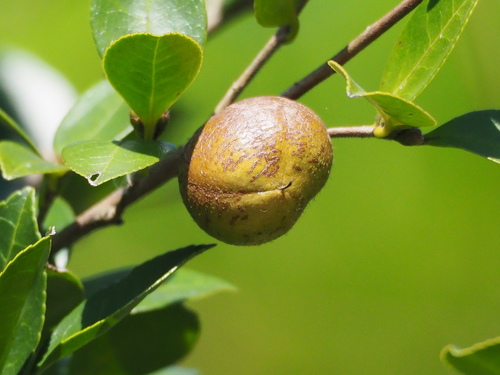
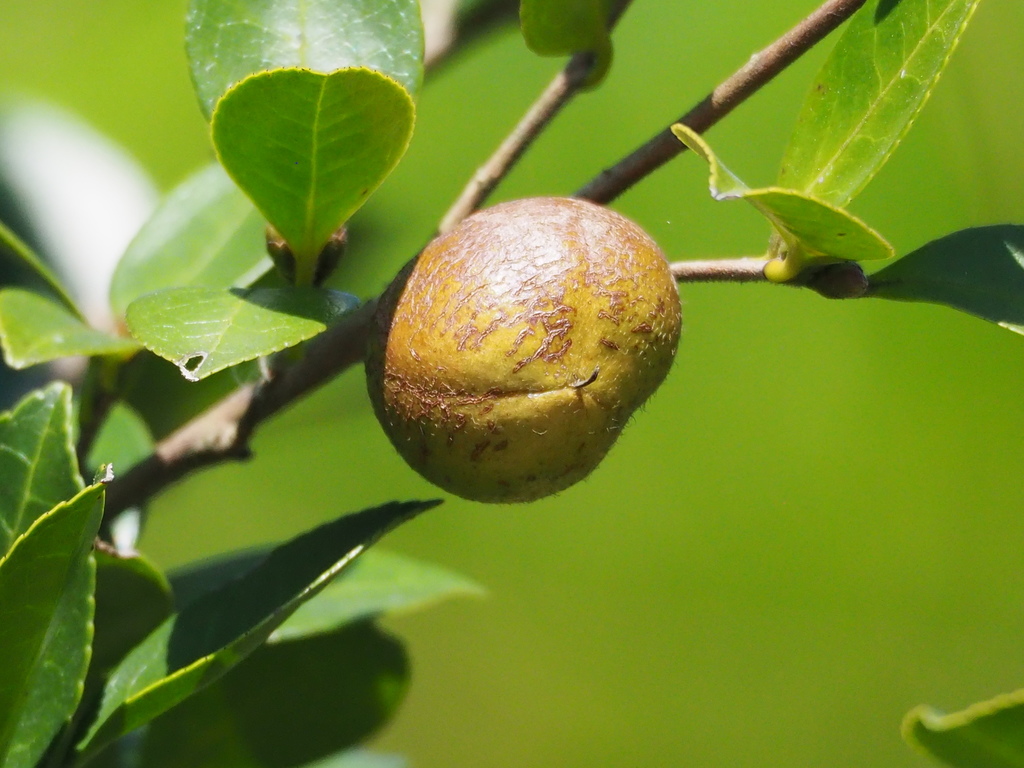
—observations
—countries
—peak records
Least ConcernConservation statusIUCN Red List categoriesLCNTVUENCREWEXLeast ConcernRed List categories, explained →
Diet & preySunlight, Acidic Soil Nutrients, Subtropical Rainfall
Predators
- Camellia Weevil
- Tea Tussock Moth
- Scale Insects
ThreatsFungal anthracnose, stem rot, and agricultural pest outbreaks
HabitatsSubtropical evergreen broadleaf forests, hillside thickets, and agricultural groves
Life span50–100 years
Classification
- FamilyTheaceae
- SpeciesCamellia oleifera
Range data is not available yet.
Interaction riskLow
- Low
- Moderate
- High
- Very high
- Why interaction risk is low
- Safe to observe at a normal distance.
Responsible observation
- Flowering Season: Look for broad white petals with prominent golden stamens from October through December.
- Seed Observation: Examine thick, rounded seed capsules ripening on branches in mid to late autumn.
- Soil Preference: Notice healthy specimens thriving primarily in well-drained, acidic red clay soils.
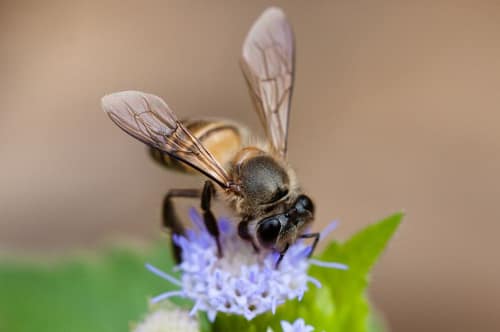
Pollinator Rushenb / CC BY-SA 3.0 · cc-by-sa Image unavailable
Predator 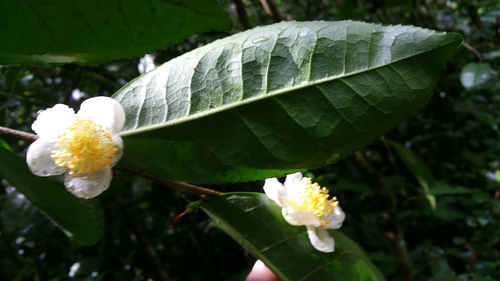
Close Relative (c) Stuart Cable, some rights reserved (CC BY), uploaded by Stuart Cable · cc-by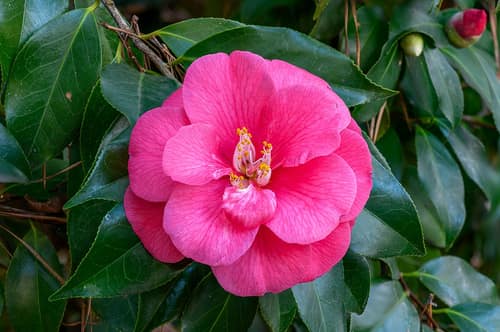
Close Relative PumpkinSky / CC BY-SA 3.0 · cc-by-sa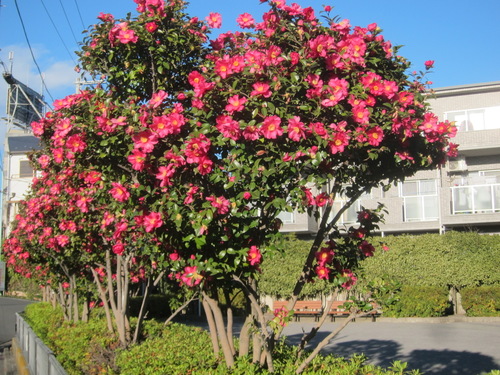
Close Relative (c) Marco Mussita, some rights reserved (CC BY), uploaded by Marco Mussita · cc-by
Help improve the field guideSomething wrong?
Checking your Fauna account…Report a name, category, or profile issue for review.