
Mammal · GBIF taxon 8303143
Arctic Ground Squirrel
Urocitellus parryiiAlso known as Parka Squirrel, Sik-Sik, Parry's Ground Squirrel
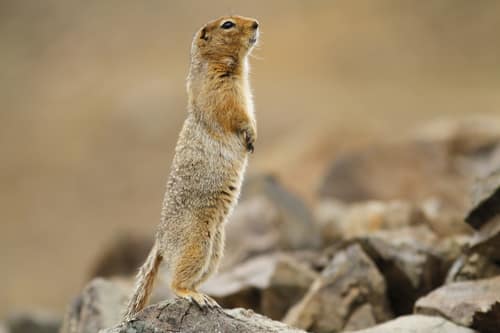
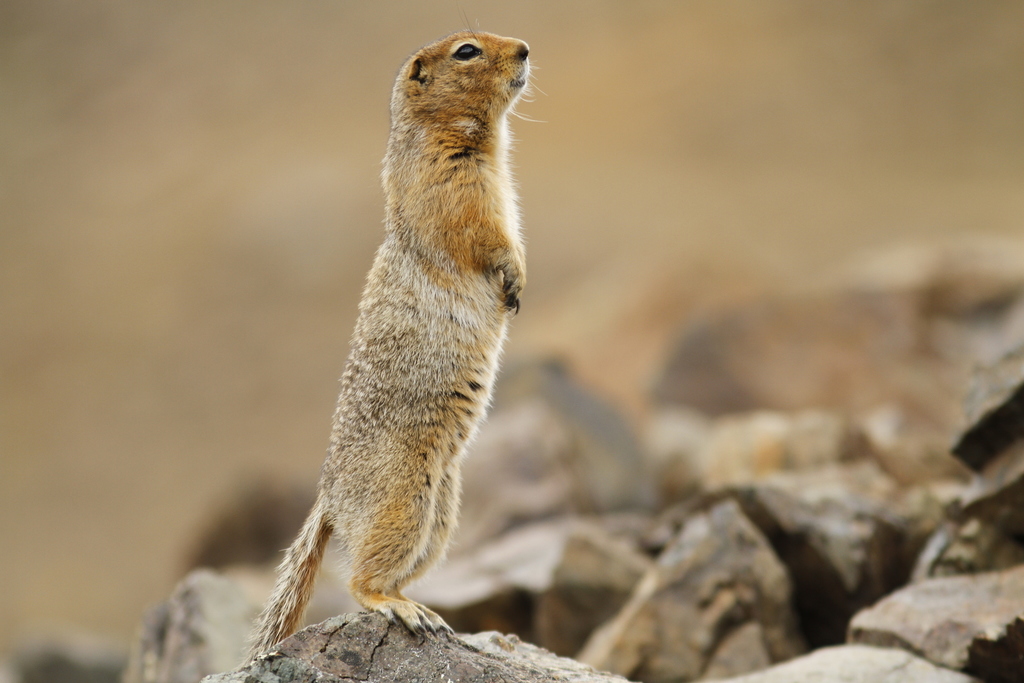
Arctic ground squirrels survive extreme polar winters by dropping their body temperature below freezing during an eight month torpor. Summer months are spent frantically foraging for tundra vegetation and seeds to build thick fat reserves, while maintaining complex burrow systems dug into well drained soil. Their loud, bird like whistling alarm calls echo across open landscapes whenever predators approach.
MammalArcticHibernator
 1 / 7
1 / 7—observations
—countries
—peak records
Least ConcernConservation statusIUCN Red List categoriesLCNTVUENCREWEXLeast ConcernRed List categories, explained →
Diet & prey
- Grasses
- Sedge Seeds
- Tundra Berries
Predators
- Grizzly Bear
- Arctic Fox
- Golden Eagle
ThreatsClimate change, permafrost degradation, localized hunting
HabitatsTundra, alpine meadows, river gravel bars, arctic shrublands
Life span6–10 years
Size / weightNot available
Classification
- FamilySciuridae
- SpeciesUrocitellus parryii
Range data is not available yet.
Interaction riskLow
- Low
- Moderate
- High
- Very high
- Why interaction risk is low
- May bite or scratch if cornered; maintain a respectful distance.
Responsible observation
- Listen for whistles: A sharp, bird-like alarm call signals that a squirrel has spotted you.
- Maintain distance: Observe quietly from several meters away to avoid scaring them into burrows.
- Never feed wild rodents: Handouts disrupt natural foraging and increase disease transmission of wild diseases.
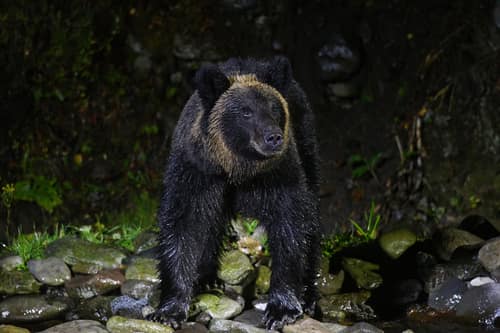
Predator (c) Nathan Ruser, some rights reserved (CC BY), uploaded by Nathan Ruser · cc-by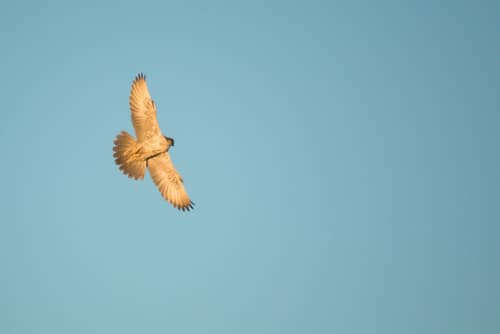
Predator (c) psweet, some rights reserved (CC BY-SA), uploaded by psweet · cc-by-sa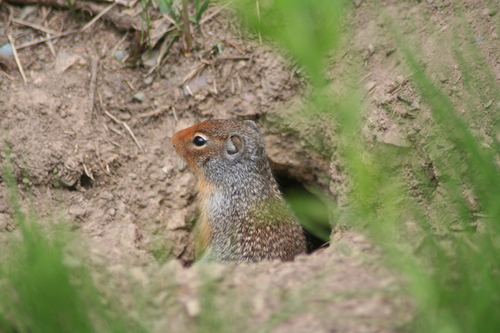
Close Relative (c) Desiree L. Narango, some rights reserved (CC BY), uploaded by Desiree L. Narango · cc-by
Help improve the field guideSomething wrong?
Checking your Fauna account…Report a name, category, or profile issue for review.