
Plant · GBIF taxon 8288647
Caucasian Wingnut
Pterocarya fraxinifoliaAlso known as Caucasian Walnut
Caucasian wingnuts dominate damp alluvial valleys and river terraces, often forming extensive multi-stemmed stands through vigorous root suckering. Their massive spreading crowns cast dense summer shade before dropping distinctive pendulous fruit chains that can reach half a meter in length. The foliage contains natural naphthoquinone compounds that historically led riverside communities to use crushed leaves as a traditional fish stupefier.
RiparianDeciduousAncient Lineage
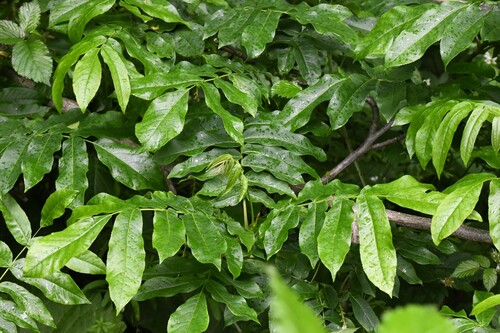
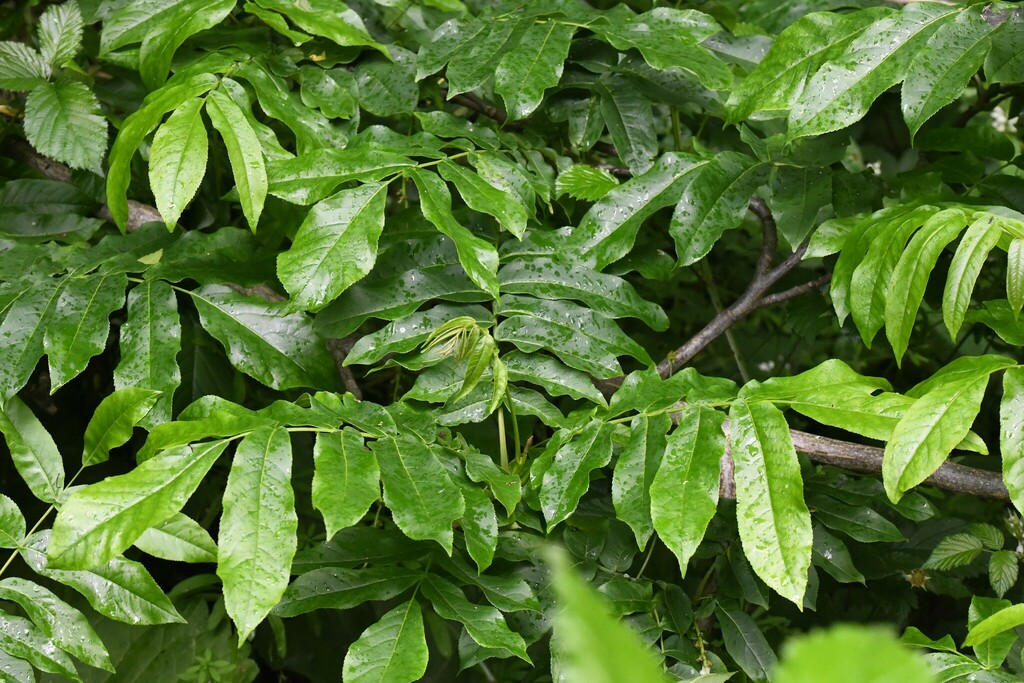
Licensed referenceno rights reserved · cc0
—observations
—countries
—peak records
VulnerableConservation statusIUCN Red List categoriesLCNTVUENCREWEXVulnerableRed List categories, explained →
Diet & prey
- Autotrophic (photosynthesis)
Predators
- Wood-boring Beetles
- Browsing Deer
ThreatsHabitat loss from dam construction, logging, and agricultural drainage
HabitatsRiparian forests, moist floodplains, and river valleys
Life span150–200 years
Size / weightNot available
Classification
- OrderFagales
- FamilyJuglandaceae
- GenusPterocarya
- SpeciesPterocarya fraxinifolia
Range data is not available yet.
Interaction riskLow
- Low
- Moderate
- High
- Very high
- Why interaction risk is low
- Safe to observe at a normal distance.
- What to notice
- Recognize it by massive multi-stemmed trunks, deeply fissured dark bark, and pinnate leaves bearing up to 27 finely toothed leaflets.
- Support conservation
- Remain on marked trails to avoid trampling delicate riparian seedlings or compacting waterlogged soils around root networks.
Responsible observation
- Fruit Inspection: Look closely at the long hanging strings of samaras in late summer to see the round central nut flanked by two circular wings.
- Trunk Examination: Check the base of mature trunks for sprawling root suckers, which reveal how the tree clones itself along floodplains.
- Foliage Crush: Gently brush a fallen leaf to detect the distinctive aromatic, walnut-like scent produced by glandular leaf hairs.
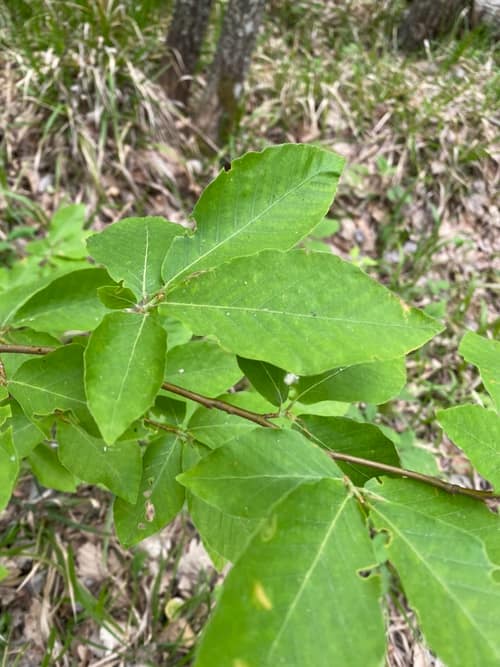
Frequent Companion (c) Илья Руденко, some rights reserved (CC BY) · cc-by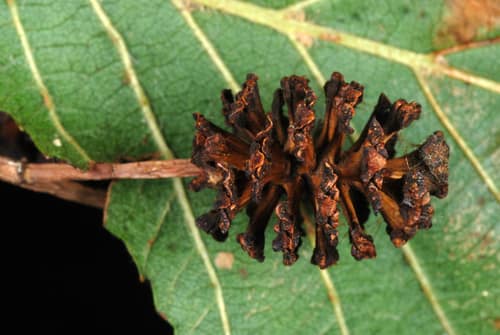
Frequent Companion (c) Douglas Goldman, some rights reserved (CC BY-SA), uploaded by Douglas Goldman · cc-by-sa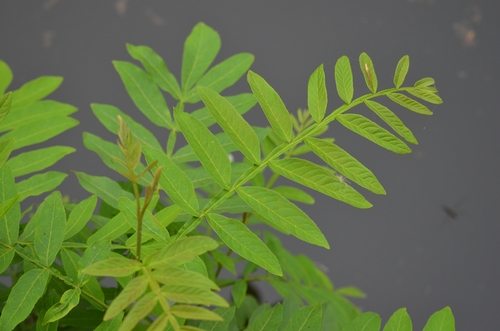
Close Relative (c) Zinogre, some rights reserved (CC BY-SA), uploaded by Zinogre · cc-by-sa
Close Relative (c) Ed Alverson, some rights reserved (CC BY), uploaded by Ed Alverson · cc-by
Help improve the field guideSomething wrong?
Checking your Fauna account…Report a name, category, or profile issue for review.