Also known as Blue Lotus, Blue Egyptian Lotus, Sacred Blue Lily, Egyptian Water Lily
Rising gracefully above calm freshwater shallows, this aquatic perennial is celebrated for its daytime blooming cycle, opening pristine sky-blue petals in the morning and closing them by mid-afternoon. Revered along the ancient Nile for its beauty and entheogenic properties, it played an enduring role in Egyptian spiritual and artistic traditions. Beneath the surface, its extensive rhizomatous root system anchors firmly in muddy substrates, providing nursery shelter for aquatic life while purifying murky water.
ThreatsWetland drainage, water pollution, and habitat destruction
HabitatsFreshwater lakes, slow-moving rivers, swamps, and ponds
Life spanPerennial
Size / weightNot available
Classification
OrderNymphaeales
FamilyNymphaeaceae
GenusNymphaea
SpeciesNymphaea caerulea
Range & activity
Range data is not available yet.
Safe observation
Interaction riskHigh
Low
Moderate
High
Very high
Why interaction risk is high
Contains psychoactive alkaloids; do not ingest any plant parts.
Why it is dangerous
Tissues contain bioactive alkaloids including nuciferine and aporphine, which act on dopamine receptors and can induce sedation, nausea, tremors, or delirium.
How to recognize a risky encounter
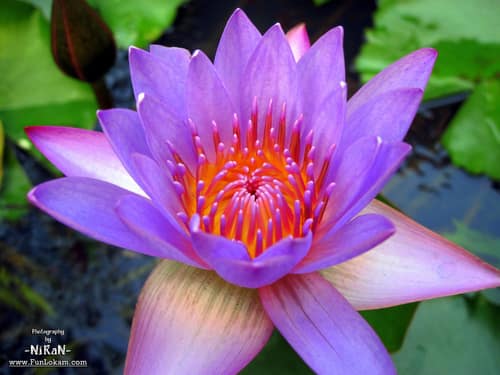
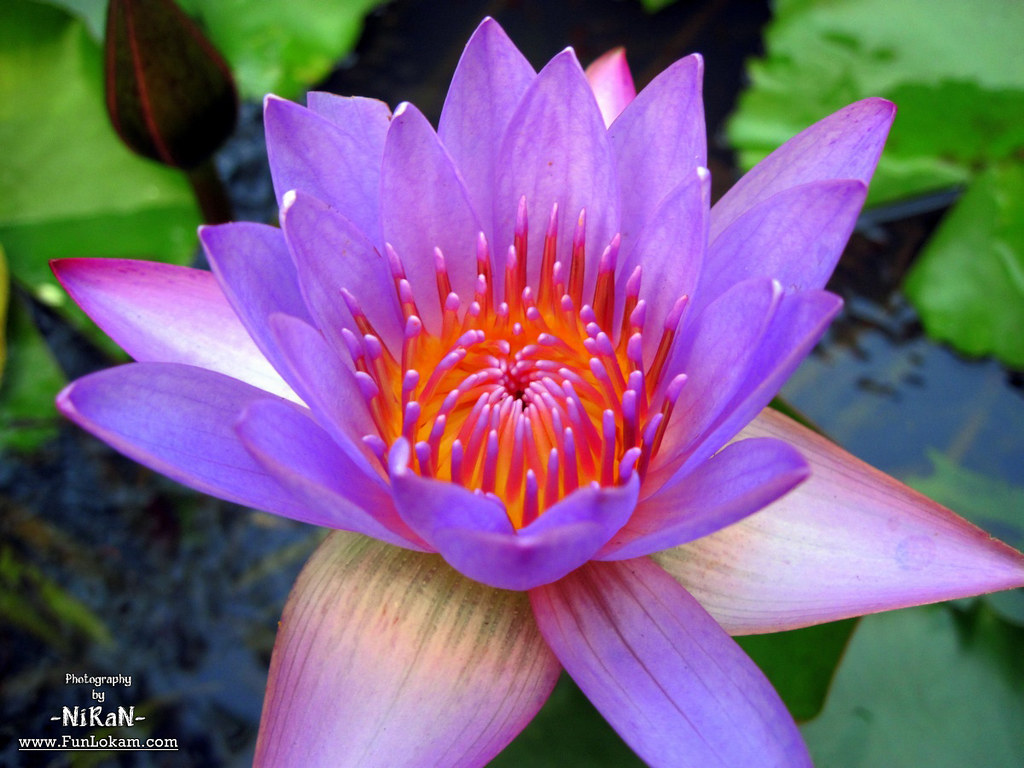
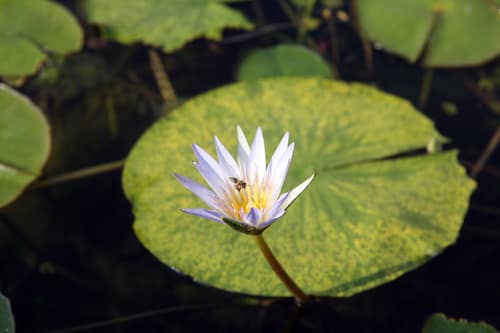
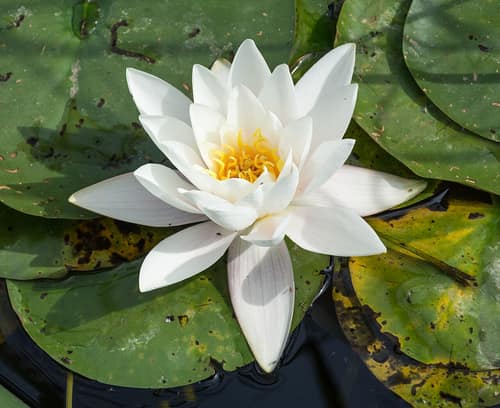
Look for pointed, pale blue to violet-blue petals radiating from a brilliant golden center atop floating notched lily pads.
What to do
Admire blooms from dry banks or watercraft, and never ingest wild aquatic flora or administer extracts to pets.
Responsible observation
Best Viewing Time: Visit wetlands between mid-morning and early afternoon when petals are fully open.
Shoreline Etiquette: Observe from boardwalks or boat decks to avoid trampling sensitive shallow silt beds.
No Foraging: Never harvest wild specimens for teas or tinctures due to toxicity and wetland conservation rules.