
Fish
Sea Lamprey
Petromyzon marinusAlso known as Vampire Fish, Great Sea Lamprey, Lake Lamprey
Sea lampreys are jawless, primitive vertebrates that spend most of their adult lives in open marine waters, using a disc-shaped sucker mouth ringed with keratinized teeth to feed on large fish. Spawning adults journey up freshwater streams where they exhaust their final energy reserves moving riverbed stones into shallow spawning redds. In the Laurentian Great Lakes, where they were introduced via shipping canals, their aggressive parasitism collapsed native lake trout populations and sparked decades of intensive control efforts.
ParasiticAquaticAnadromous
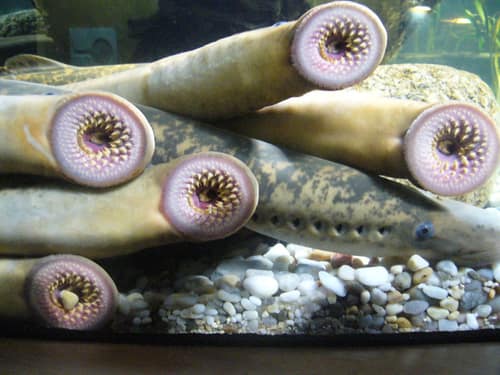
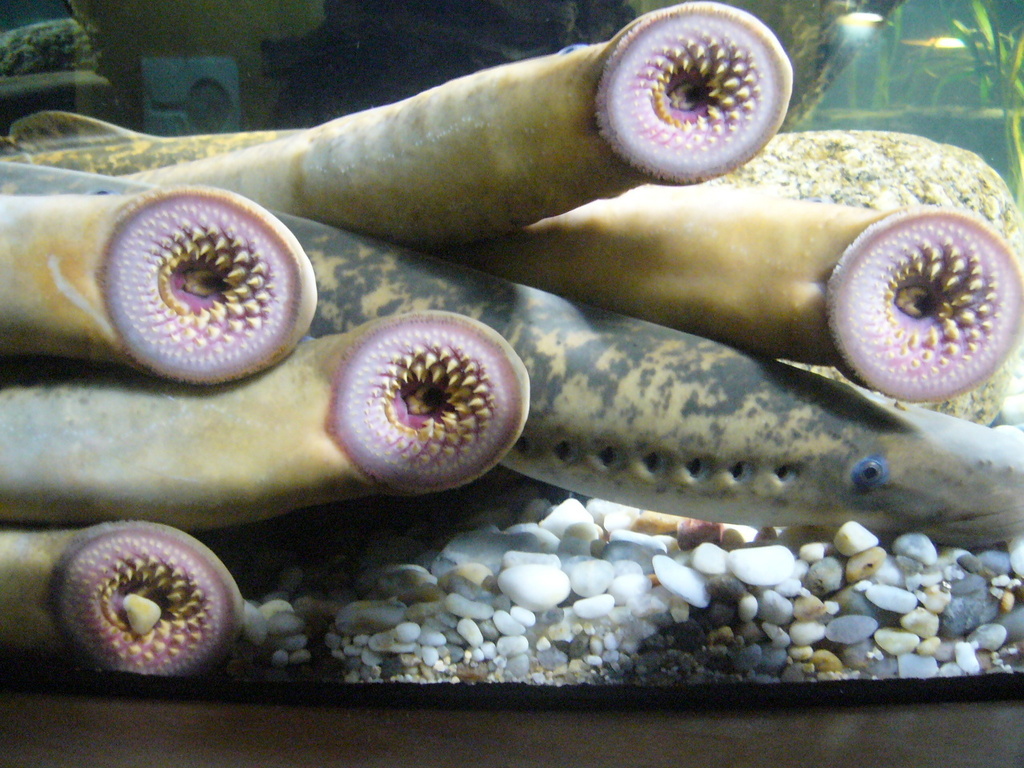
—observations
—countries
—peak records
Least ConcernConservation statusIUCN Red List categoriesLCNTVUENCREWEXLeast ConcernRed List categories, explained →
Diet & preyLake Trout, Atlantic Salmon, Lake Whitefish
Predators
- Northern Pike
- Walleye
- Herring Gull
ThreatsDams and migration barriers, water pollution, targeted lampricide control in invasive areas
HabitatsOpen oceans, estuaries, coastal rivers, and freshwater spawning streams
Life span6–8 years (including 3–5 years as burrowing larvae)
Classification
- OrderPetromyzontiformes
- FamilyPetromyzontidae
- GenusPetromyzon
- SpeciesPetromyzon marinus
Range data is not available yet.
Interaction riskLow
- Low
- Moderate
- High
- Very high
- Why interaction risk is low
- Safe to observe at a normal distance; adults do not target swimmers or humans in open water.
Responsible observation
- Spawning observation: Scan shallow, gravelly river riffles in late spring to watch adults actively rearrange cobblestones.
- Handling precautions: Do not grasp live adults directly by the head, as their oral disc can attach securely to bare skin.
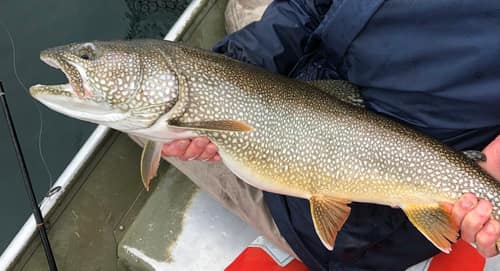
Prey (c) Lythronax246, some rights reserved (CC BY), uploaded by Lythronax246 · cc-by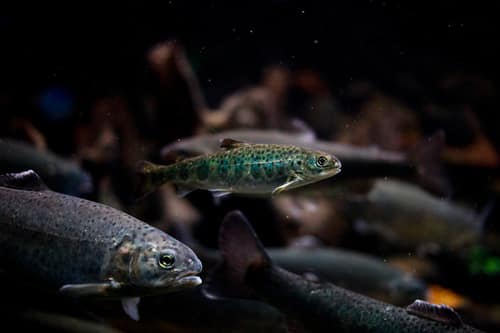
Prey (c) nicolás, some rights reserved (CC BY-SA) · cc-by-sa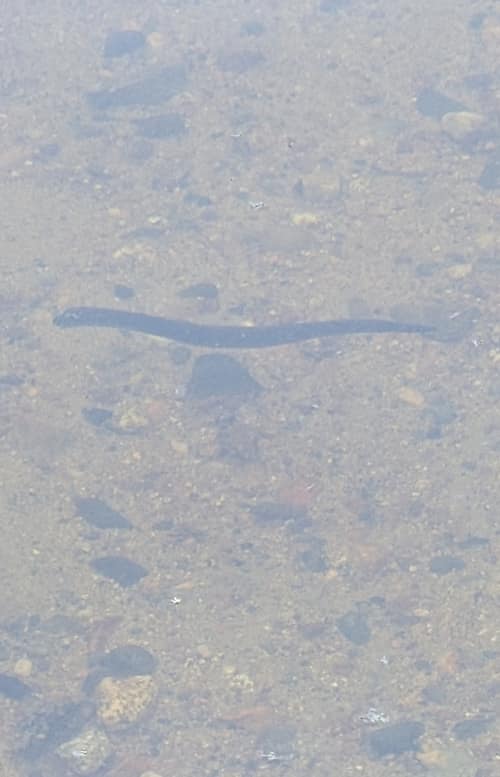
Close Relative (c) Tom and T Herman, some rights reserved (CC BY) · cc-by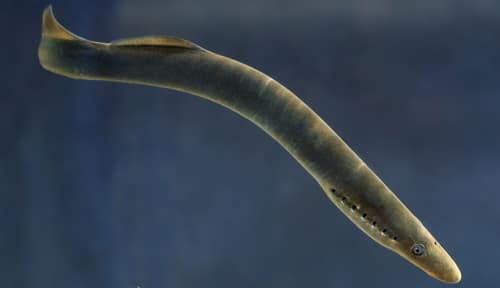
Close Relative (c) Tiit Hunt, some rights reserved (CC BY-SA) · cc-by-sa
Help improve the field guideSomething wrong?
Checking your Fauna account…Report a name, category, or profile issue for review.