
Flower
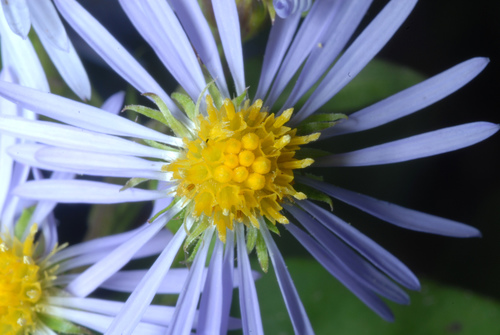
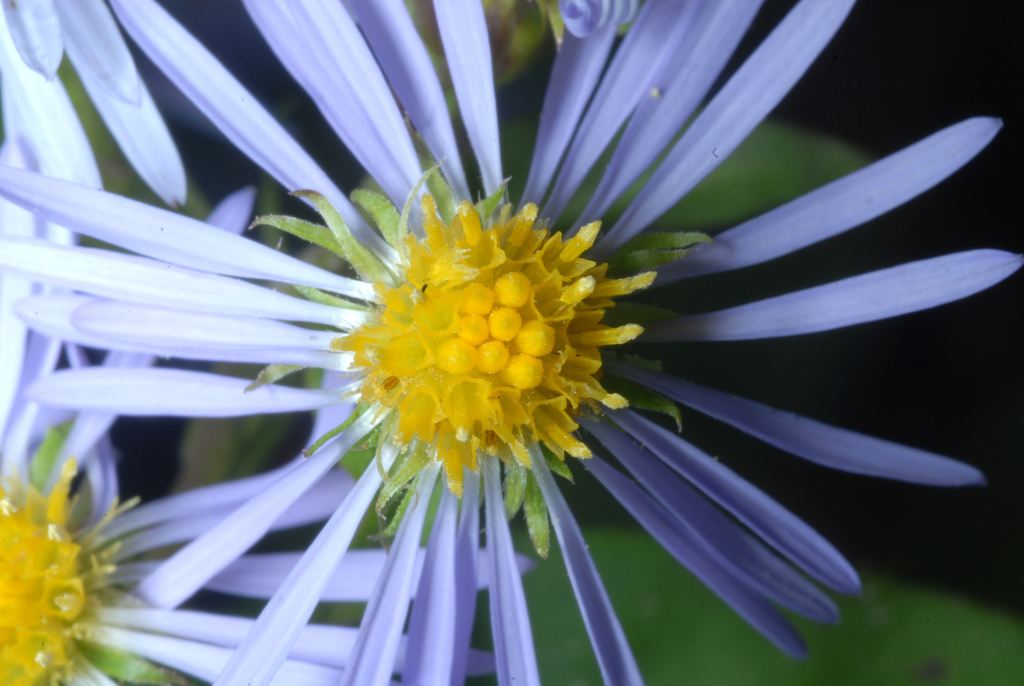
Swamp Aster
Symphyotrichum puniceumAlso known as Purplestem Aster, Red-stalk Aster, Early Purple Aster, Cocash
Swamp asters thrive in saturated soils along marsh edges, fens, and stream banks, standing out in late summer and autumn with brilliant displays of pale violet to blue ray florets. Distinctive stout, bristly reddish-purple stems support branched floral sprays that act as critical late-season nectar stations for migrating butterflies and prepping bumblebees. Stems can form robust, clonal colonies via creeping rhizomes, stabilizing wet ditch banks and saturated meadows against seasonal flooding.
FloweringWetlandPerennial
—observations
—countries
—peak records
Least ConcernConservation statusIUCN Red List categoriesLCNTVUENCREWEXLeast ConcernRed List categories, explained →
Diet & preyAutotrophic (photosynthesis)
Predators
- White-tailed Deer
- Eastern Cottontail
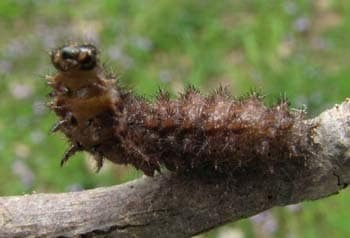
- Pearl Crescent Caterpillar
ThreatsWetland drainage, invasive species encroachment like reed canary grass, and herbicide drift
HabitatsSwamps, fens, sedge meadows, wet prairies, stream banks, and roadside ditches
Life spanPerennial (indefinite via rhizomatous spread)
Classification
- OrderAsterales
- FamilyAsteraceae
- GenusSymphyotrichum
- SpeciesSymphyotrichum puniceum
Range data is not available yet.
Interaction riskLow
- Low
- Moderate
- High
- Very high
- Why interaction risk is low
- Safe to observe at a normal distance.
Responsible observation
- Check the Stem: Run a finger gently along the lower stem to feel the stiff spreading hairs and see the purple coloration.
- Look for Clasping Leaves: Identify the species by leaves that clasp the stem with flared, ear-like bases.
- Late Autumn Viewing: Visit marshes in September and October when flowers are buzzing with native bees.
Host Plant (c) Beatriz Moisset, some rights reserved (CC BY-SA) · cc-by-sa
Frequent Companion (c) Thomas Koffel, some rights reserved (CC BY), uploaded by Thomas Koffel · cc-by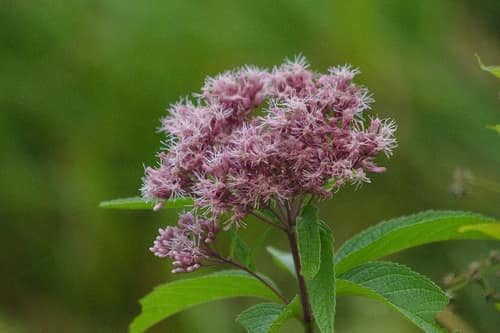
Frequent Companion no rights reserved, uploaded by Étienne Lacroix-Carignan · cc0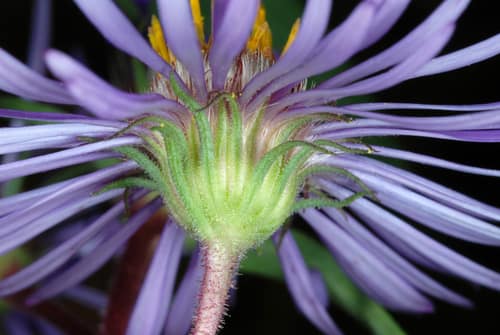
Close Relative (c) Douglas Goldman, some rights reserved (CC BY-SA), uploaded by Douglas Goldman · cc-by-sa
Help improve the field guideSomething wrong?
Checking your Fauna account…Report a name, category, or profile issue for review.