
Plant
Northern Peatmoss
Sphagnum capillifoliumAlso known as Red Bogmoss, Acute-leaved Bog-moss, Small Red Peat Moss
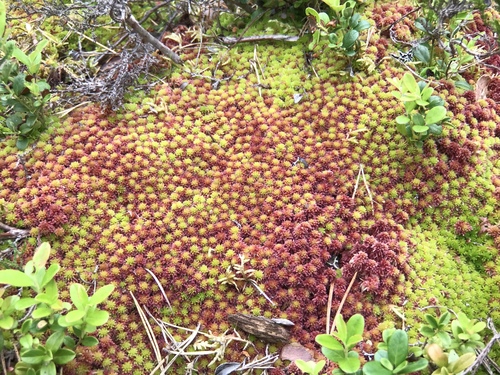
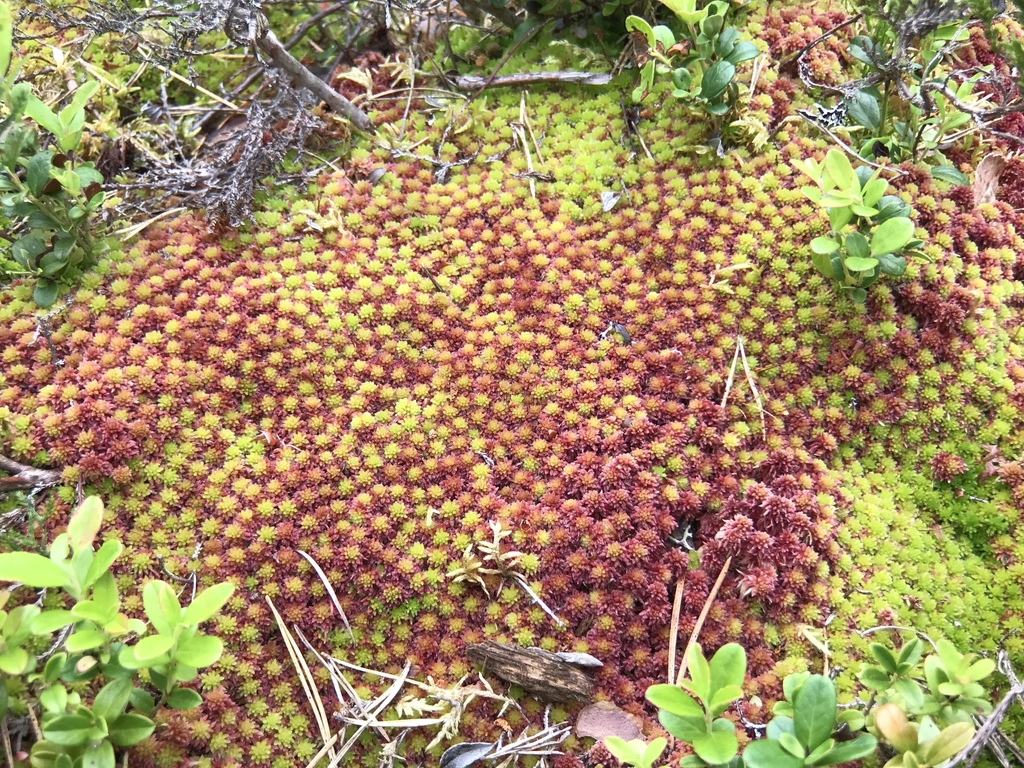
Northern peatmoss builds dense, crimson-tinted cushions across acidic bogs, holding up to 20 times its dry weight in water inside specialized empty hyaline cells. By exchanging hydrogen ions for scarce nutrients, it actively acidifies surrounding bog water and slows decomposition so dead stems accumulate as deep layers of peat. In summer, tiny dark spore capsules build internal pressure as they dry and pop open with an audible snap, launching spores into passing air currents.
Peat-formingBog-dwellingAcid-loving
—observations
—countries
—peak records
Least ConcernConservation statusIUCN Red List categoriesLCNTVUENCREWEXLeast ConcernRed List categories, explained →
Diet & preySunlight, Rainwater, Atmospheric nitrogen
Predators
- Bog lemmings
- Crane fly larvae
- Slugs
ThreatsPeatland drainage, commercial peat extraction, agricultural runoff, and climate warming
HabitatsOmbrotrophic bogs, fens, wet heathlands, and damp coniferous forests across northern North America, Greenland, and Europe
Life spanPerennial (individual shoots grow continuously from the tip while lower stems decay into peat over decades)
Classification
- FamilySphagnaceae
- SpeciesSphagnum capillifolium
Range data is not available yet.
Interaction riskLow
- Low
- Moderate
- High
- Very high
- Why interaction risk is low
- Safe to observe at a normal distance.
Responsible observation
- Tread Lightly: Stay on boardwalks or firm ground, as trampling crushes slow-growing hummocks and compacts peat.
- Check the Color: Look for crimson to pinkish-red crowns in sunny bogs, though shaded plants turn greenish.
- Leave It Intact: Avoid pulling up clumps, since intact cushions regulate bog moisture and anchor rare wetland flora.
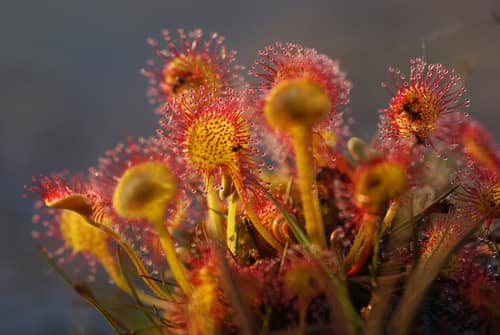
Frequent Companion (c) Sylvain Montagner, some rights reserved (CC BY), uploaded by Sylvain Montagner · cc-by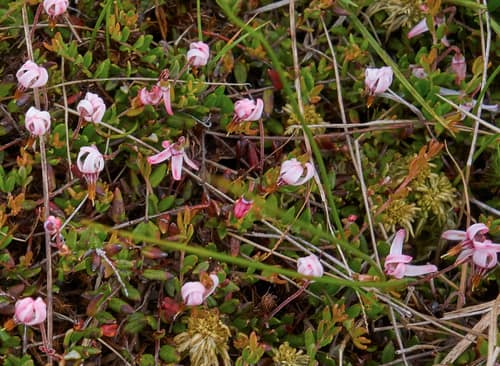
Frequent Companion no rights reserved, uploaded by David Bird · cc0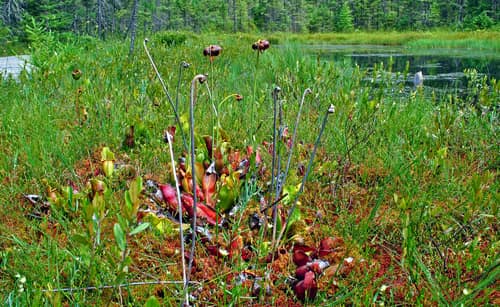
Neighbor (c) Aaron Carlson, some rights reserved (CC BY) · cc-by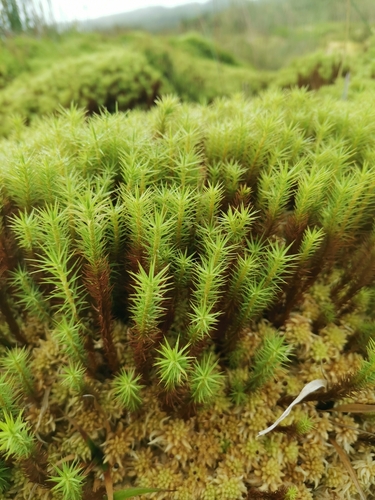
Competitor (c) Ljaž, some rights reserved (CC BY), uploaded by Ljaž · cc-by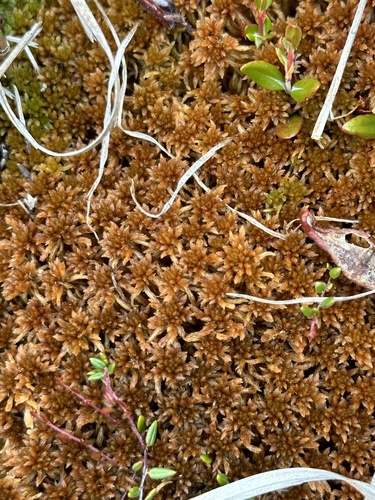
Close Relative no rights reserved, uploaded by Kallum McDonald · cc0
Help improve the field guideSomething wrong?
Checking your Fauna account…Report a name, category, or profile issue for review.