
Species · GBIF taxon 8222574
Bladder Wrack
Fucus vesiculosusAlso known as Bladderwrack, Black Tang, Rockweed, Sea Oak
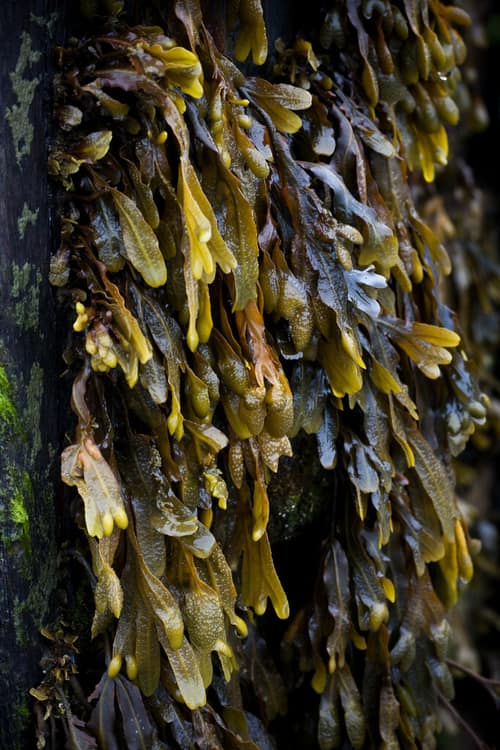
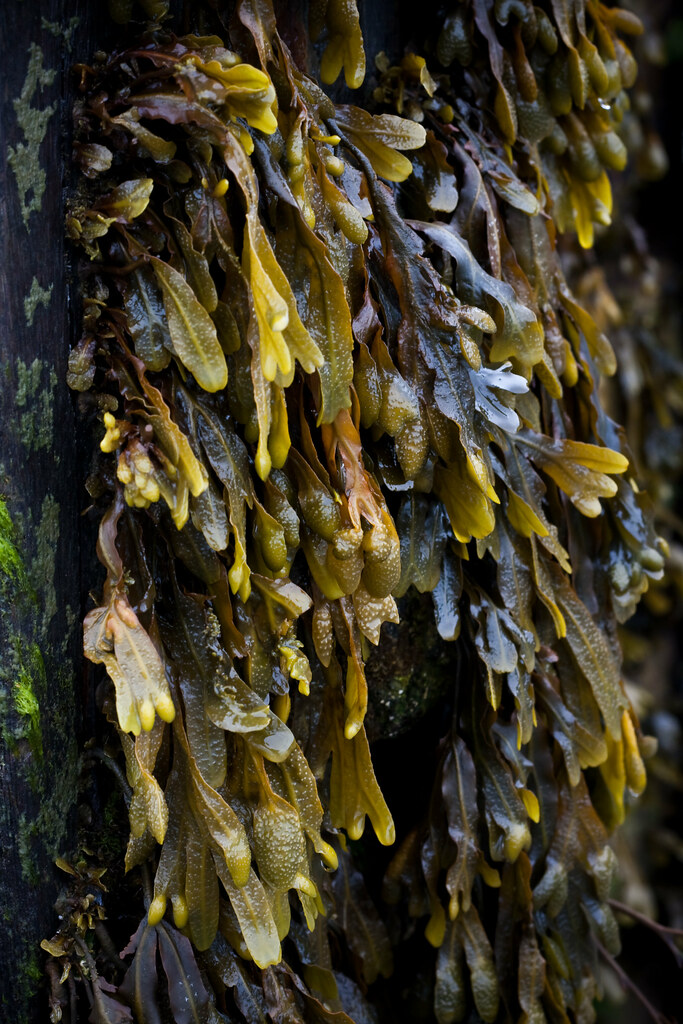
Bladder wrack anchors firmly to exposed intertidal rocks using a tough disk-like holdfast, forming dense coastal marine beds. Paired gas-filled bladders lift its flattened fronds toward sunlight during high tide, maximizing photosynthesis in turbulent surf. These extensive seaweed beds provide crucial moisture and shelter for juvenile fish, sea snails, and small crustaceans when the tide retreats.
MarineIntertidalBrown Alga
—observations
—countries
—peak records
Not EvaluatedConservation statusIUCN Red List categoriesLCNTVUENCREWEXNot Evaluated — not placed on the risk ladderRed List categories, explained →
Diet & prey
- Sunlight
- Dissolved Nitrates
- Dissolved Phosphates
Predators
- Common Periwinkle
- Limpet
- Green Crab
ThreatsCoastal pollution, marine heatwaves, invasive competitors, over-harvesting
HabitatsIntertidal rocky shores, sheltered sea lochs, coastal estuaries
Life span3–5 years
Size / weightNot available
Classification
- FamilyFucaceae
- SpeciesFucus vesiculosus
Range data is not available yet.
Interaction riskLow
- Low
- Moderate
- High
- Very high
- Why interaction risk is low
- Safe to observe at a normal distance.
Responsible observation
- Tide Timing: Visit rocky shores during low tide to observe attached holdfasts and reproductive structures.
- Tread Carefully: Wet wrack fronds create extremely slippery walking surfaces on exposed coastal rocks.
- Examine Vesicles: Look for paired gas bladders that lift fronds upward when the tide rises.
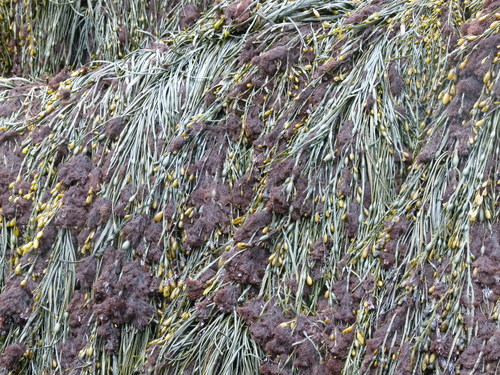
Coastal Neighbor (c) botanygirl, some rights reserved (CC BY), uploaded by botanygirl · cc-by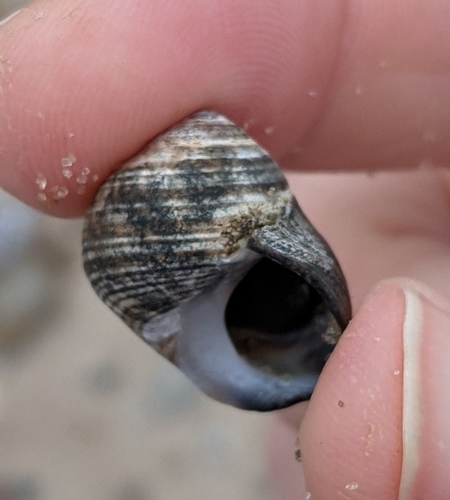
Grazing Herbivore (c) Jessica Utrup, some rights reserved (CC BY), uploaded by Jessica Utrup · cc-by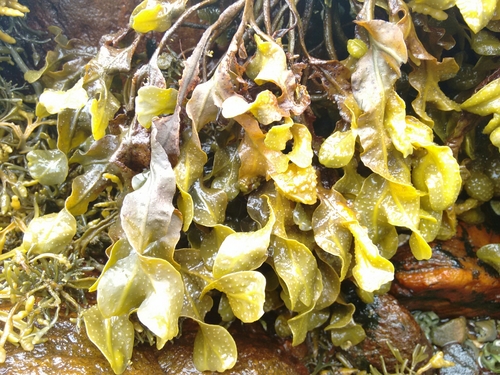
Close Relative (c) Rafael Medina, some rights reserved (CC BY), uploaded by Rafael Medina · cc-by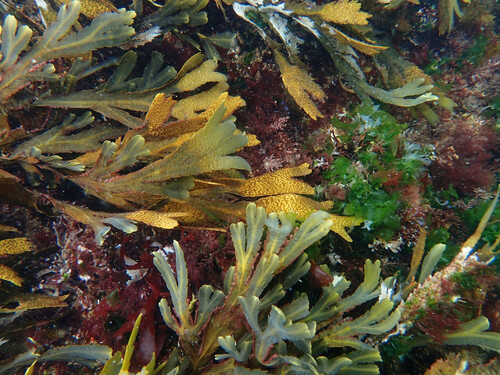
Close Relative (c) Donald Davesne, some rights reserved (CC BY), uploaded by Donald Davesne · cc-by
Help improve the field guideSomething wrong?
Checking your Fauna account…Report a name, category, or profile issue for review.