
Reptile
White-lipped Pit Viper
Trimeresurus albolabrisAlso known as White-lipped Tree Viper, White-lipped Green Pit Viper
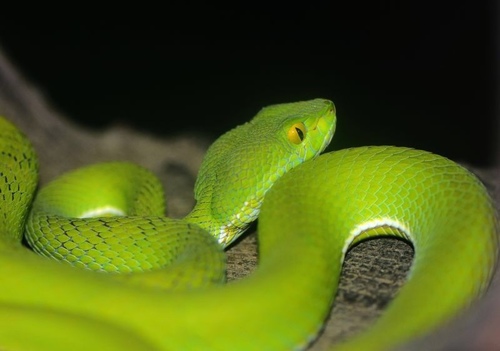
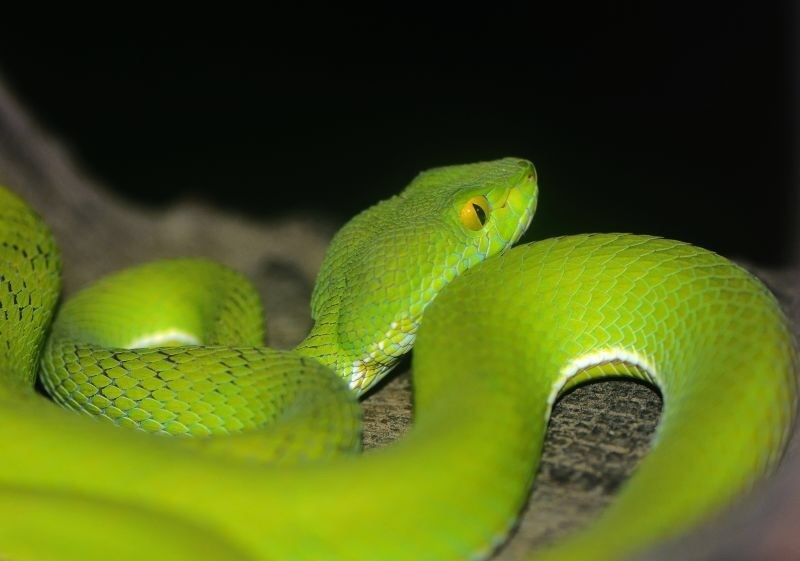
White-lipped pit vipers spend daylight coiled motionless among low foliage, relying on bright green scales and a prehensile tail to anchor firmly onto branches. At night, heat-sensing loreal pits allow them to detect warm-blooded prey passing beneath their perch in total darkness. When alarmed, they vibrate their tails against foliage and strike rapidly from an S-shaped coil.
VenomousArborealNocturnal
—observations
—countries
—peak records
Least ConcernConservation statusIUCN Red List categoriesLCNTVUENCREWEXLeast ConcernRed List categories, explained →
Diet & preyTree Frog, House Mouse, Garden Lizard
Predators
- King Cobra
- Crested Serpent Eagle
- Monitor Lizard
ThreatsHabitat loss from agricultural expansion and collection for the exotic pet trade
HabitatsLowland rainforests, bamboo thickets, secondary forests, and agricultural plantations
Life span10–15 years
Classification
- FamilyViperidae
- SpeciesTrimeresurus albolabris
Range data is not available yet.
Interaction riskVery high
- Low
- Moderate
- High
- Very high
- Why interaction risk is very high
- Possesses medically significant hemotoxic venom; maintain a distance of at least two meters and never handle.
- Why it is dangerous
- Venom contains potent procoagulants and hemorrhagins that destroy tissue, prevent blood clotting, and cause severe systemic bleeding.
- How to recognize a risky encounter
- Bright lime green body with a distinct white or pale yellow stripe along the upper lip and a reddish-brown tail tip.
- What to do
- Do not attempt to touch, capture, or prod; step back slowly if encountered on a low branch or path.
Responsible observation
- Night Spotting: Look among low shrubs and bamboo stands after dusk using a flashlight held near eye level.
- Safe Distance: Keep at least two body lengths away from perched individuals to stay well out of striking range.
- Branch Caution: Avoid grasping foliage or shaking low-hanging branches when trekking through dense undergrowth.
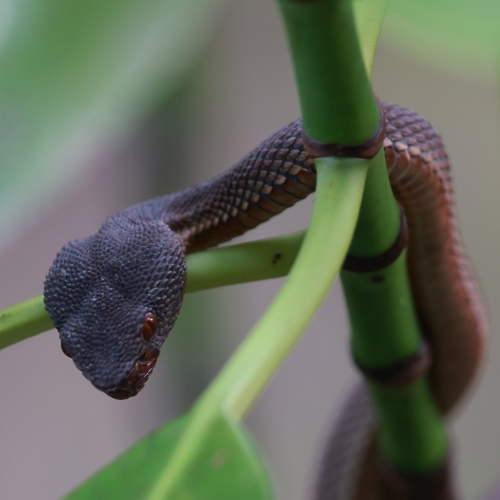
Same Genus (c) Eric Lopes, some rights reserved (CC BY-SA) · cc-by-sa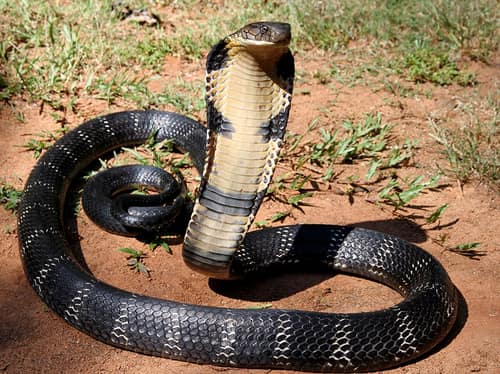
Predator Michael Allen Smith from Seattle, USA / CC BY-SA 2.0 · cc-by-sa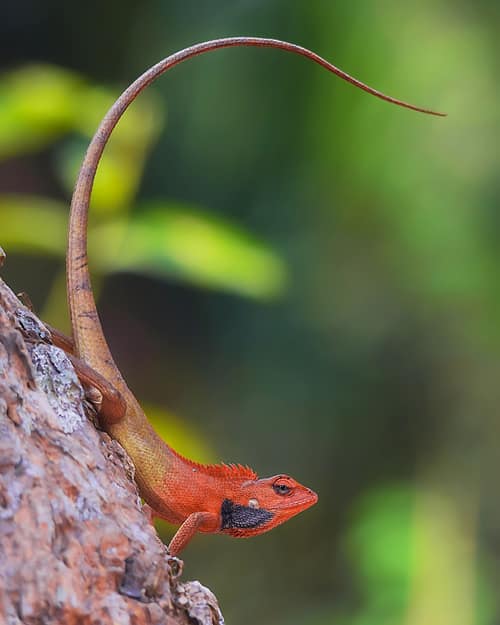
Prey Sifat Sharker / CC BY-SA 4.0 · cc-by-sa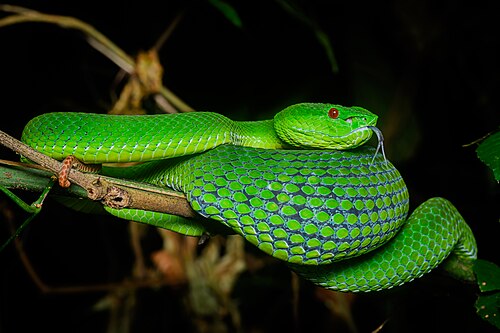
Close Relative Rushenb / CC BY-SA 2.0 · cc-by-sa
Help improve the field guideSomething wrong?
Checking your Fauna account…Report a name, category, or profile issue for review.