
Plant
Tall Kangaroo Paw
Anigozanthos flavidusAlso known as Yellow Kangaroo Paw, Evergreen Kangaroo Paw
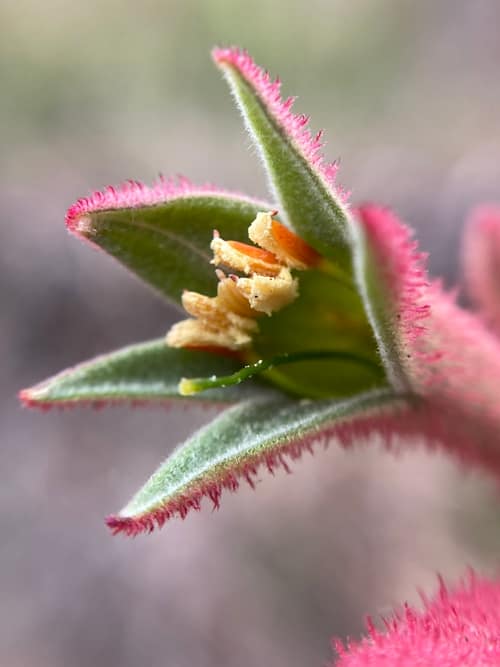
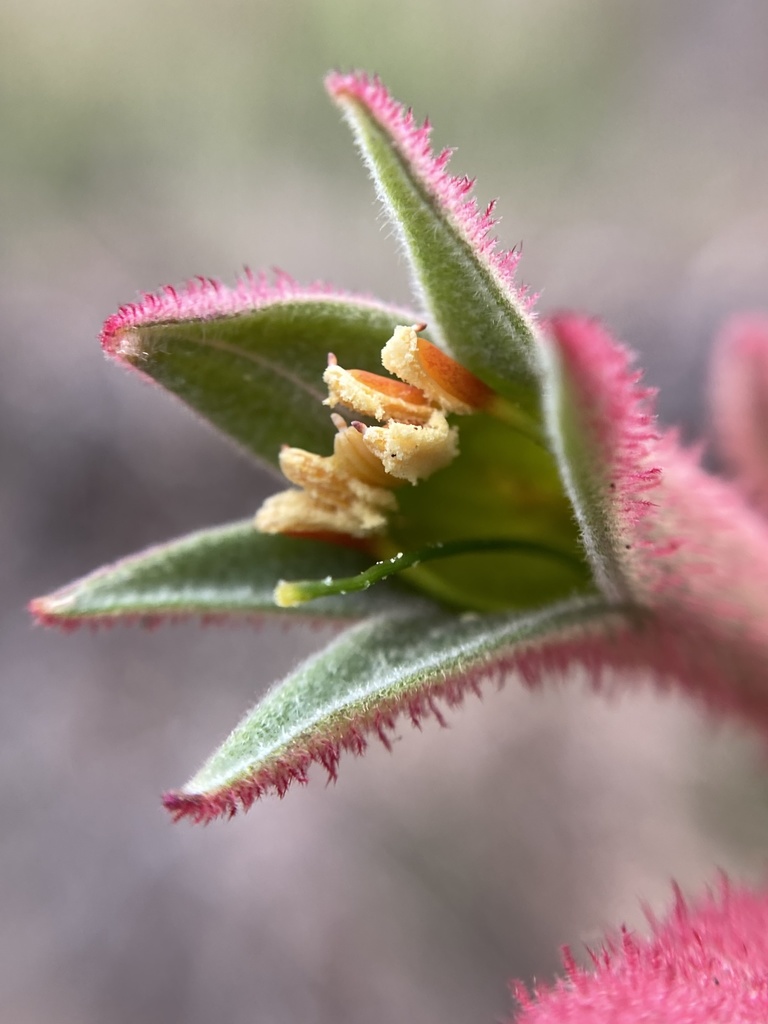
Tall kangaroo paws anchor themselves in moist, sandy soils across southwestern Australia, producing towering clusters of tubular, velvet-textured flowers shaped like macropod paws. These sturdy stems serve as natural perches, engineered so visiting honeyeaters receive a dusting of pollen on their heads while drinking deep nectar. Beneath the surface, vigorous underground rhizomes keep the evergreen foliage thriving through seasonal dry spells and allow the plant to regenerate rapidly after bushfires.
FloweringBird-pollinatedPerennial
—observations
—countries
—peak records
Least ConcernConservation statusIUCN Red List categoriesLCNTVUENCREWEXLeast ConcernRed List categories, explained →
Diet & preyPhotosynthetic autotroph
Predators
- Slugs and snails
- Herbivorous caterpillars
- Grazing kangaroos
ThreatsAltered fire regimes, wetland drainage, and invasive weed competition
HabitatsSwamp margins, creek beds, road verges, and open eucalypt forests
Life span10–30 years
Classification
- FamilyHaemodoraceae
- SpeciesAnigozanthos flavidus
Range data is not available yet.
Interaction riskLow
- Low
- Moderate
- High
- Very high
- Why interaction risk is low
- Safe to observe at a normal distance.
Responsible observation
- Observation: Watch the tallest stems in early morning to see honeyeaters hanging upside down to reach nectar.
- Habitat Care: Avoid compacting soggy riparian soils around wild clumps to protect the shallow root systems.
- Gardening: Cut spent flower stalks back to ground level after blooming to encourage dense, healthy foliage.
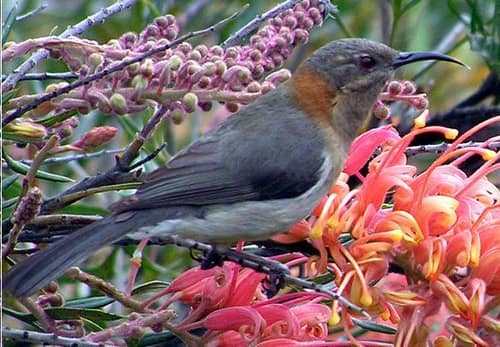
Pollinator (c) Acanthorhynchus_superciliosus.jpg: Julia Gross. derivative work: Berichard, some rights reserved (CC BY) · cc-by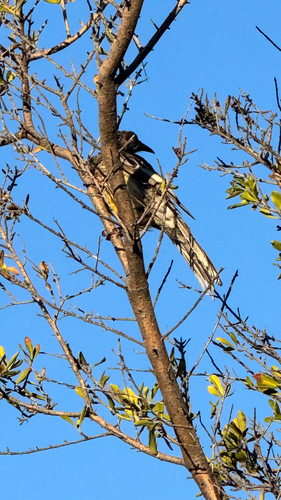
Pollinator (c) jraus, some rights reserved (CC BY-SA) · cc-by-sa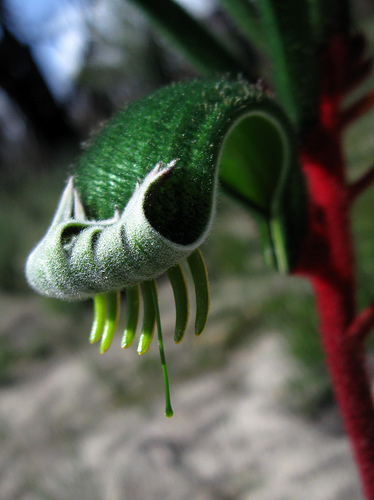
Close Relative (c) Ilena, some rights reserved (CC BY-SA) · cc-by-sa Image unavailable
Close Relative Same Family
Help improve the field guideSomething wrong?
Checking your Fauna account…Report a name, category, or profile issue for review.