
Plant
Tree Dahlia
Dahlia imperialisAlso known as Imperial Dahlia
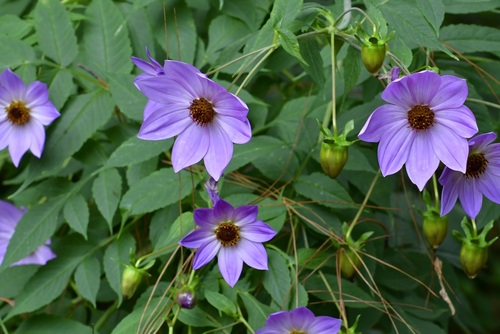
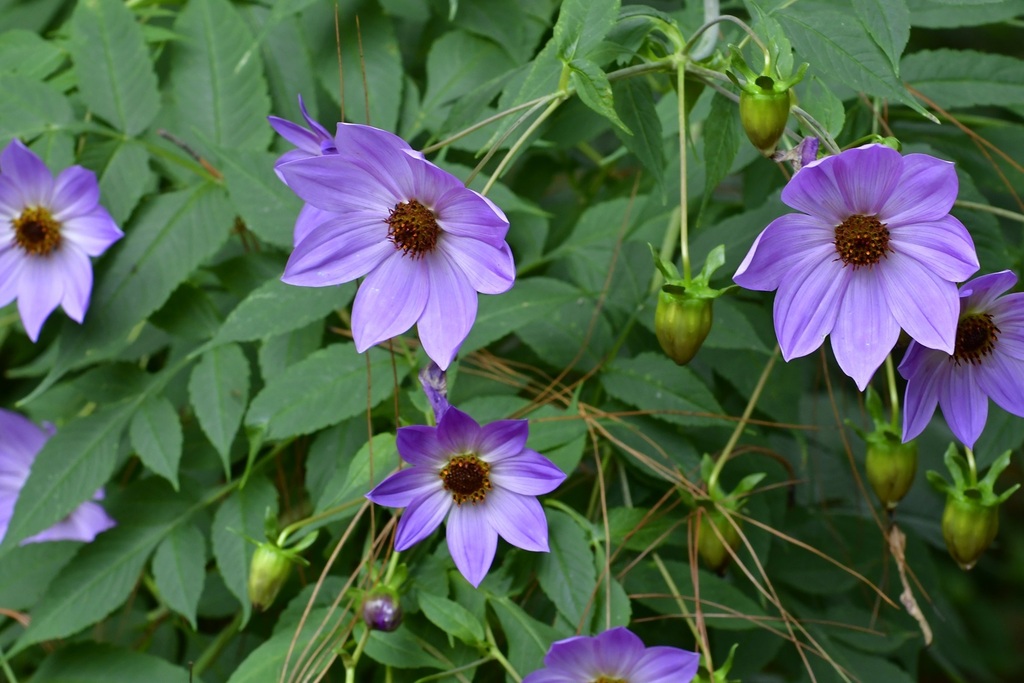
Tree dahlias shoot up from underground tubers with astonishing speed, forming thick, hollow stems that resemble bamboo canes and reach high into the sub-canopy. In late autumn, clusters of large, nodding bell-shaped flowers in shades of pale lavender and pink bloom high above the foliage. In native montane cloud forests, these towering perennials die back to the ground after winter frosts before vigorously sprouting renewed canes each spring.
FloweringPerennialArborescent
—observations
—countries
—peak records
Near ThreatenedConservation statusIUCN Red List categoriesLCNTVUENCREWEXNear ThreatenedRed List categories, explained →
Diet & preyAutotrophic (photosynthetic)
Predators
- Slugs and Snails
- Spider Mites
- Aphids
ThreatsDeforestation, habitat clearance, and agricultural conversion
HabitatsCloud forests, montane valleys, slopes, and disturbed forest edges
Life spanDecades (perennial tuberous rootstock)
Classification
- FamilyAsteraceae
- SpeciesDahlia imperialis
Range data is not available yet.
Interaction riskHigh
- Low
- Moderate
- High
- Very high
- Why interaction risk is high
- Toxic to dogs and cats if ingested; safe to observe at a normal distance.
- Why it is dangerous
- Contains polyacetylene compounds that cause mild gastrointestinal distress and contact dermatitis in dogs and cats.
- How to recognize a risky encounter
- Recognizable by giant, cane-like segmented stems topped with wide lavender composite flower heads.
- What to do
- Keep curious pets away from pruned stems or exposed tubers to prevent accidental chewing.
Responsible observation
- Observation Timing: Look for expansive flowering displays in late autumn before the first hard freezes.
- Wind Exposure: Avoid leaning against mature canes, as the brittle hollow stems can snap in strong winds.
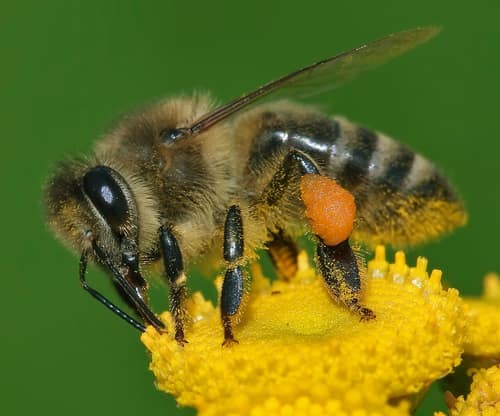
Pollinator Andreas Trepte / CC BY-SA 2.5 · cc-by-sa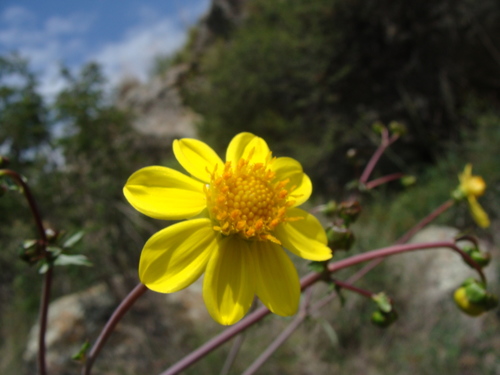
Close Relative (c) Alexis López Hernández, some rights reserved (CC BY), uploaded by Alexis López Hernández · cc-by Image unavailable
Close Relative 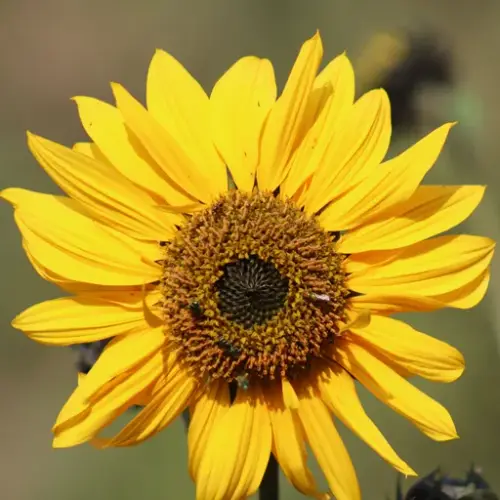
Same Family Dr Photographer / PUBLIC DOMAIN · public domain
Help improve the field guideSomething wrong?
Checking your Fauna account…Report a name, category, or profile issue for review.