
Plant
Orange Jasmine
Murraya paniculataAlso known as Orange Jessamine, China Box, Cosmetic Barktree, Mock Orange
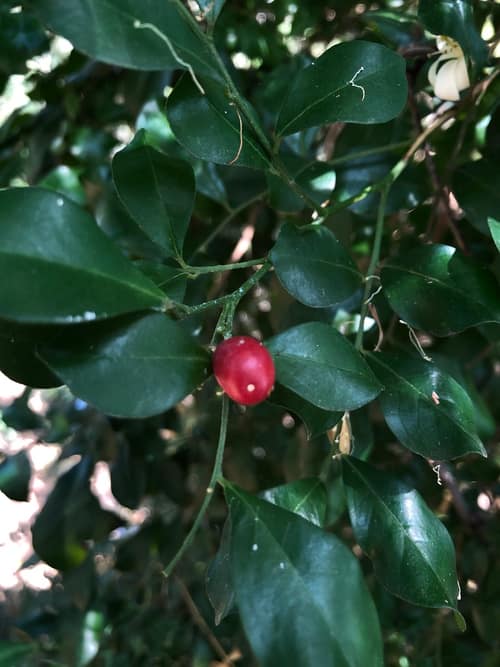
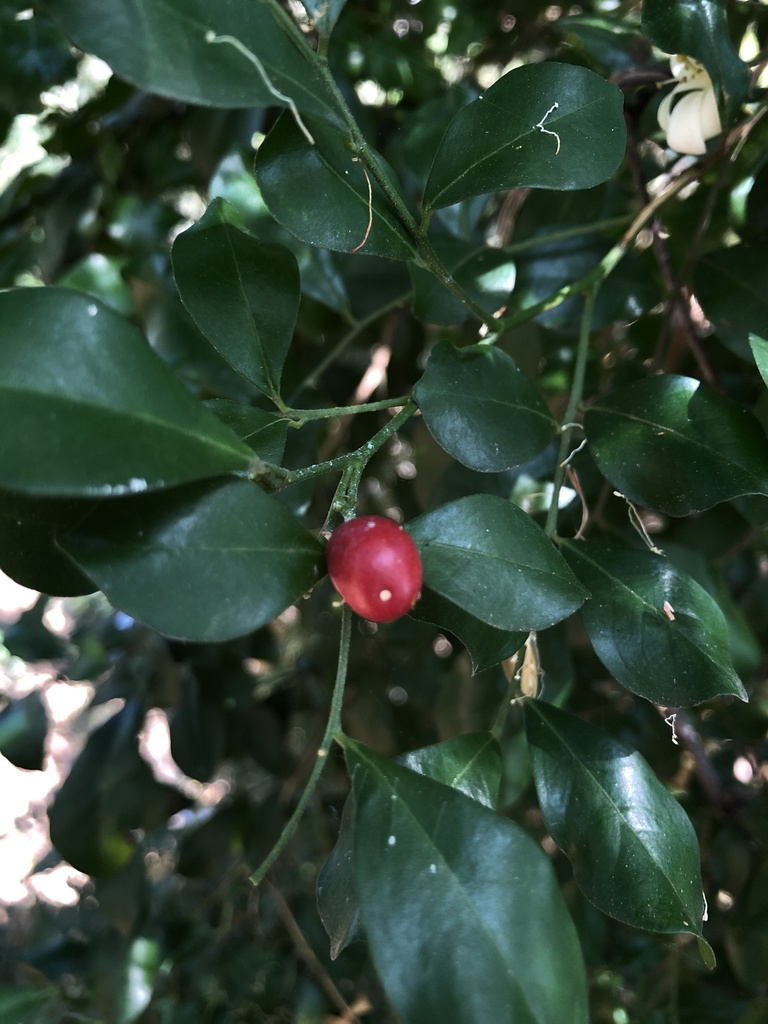
Dense glossy foliage and intense sweet blossoms make orange jasmine a standout feature of subtropical understories and landscaped gardens alike. Clusters of delicate white flowers release a heady, citrus-like perfume that peaks after evening rainfall, drawing nocturnal moths and native bees from great distances. Though cherished as an ornamental hedge, it readily escapes cultivation into riparian zones and rainforest margins, where bird-dispersed seeds form thickets that outcompete native understory flora.
FragrantEvergreenFlowering
—observations
—countries
—peak records
Least ConcernConservation statusIUCN Red List categoriesLCNTVUENCREWEXLeast ConcernRed List categories, explained →
Diet & preyAutotrophic via photosynthesis
Predators
- Citrus swallowtail caterpillars
- Asian citrus psyllid
- Fruit-eating birds
ThreatsHabitat clearance in wild ranges; treated as an invasive weed in non-native habitats
HabitatsRainforest margins, dry vine scrubs, coastal thickets, urban hedges
Life span20–50 years
Classification
- OrderSapindales
- FamilyRutaceae
- GenusMurraya
- SpeciesMurraya paniculata
Range data is not available yet.
Interaction riskLow
- Low
- Moderate
- High
- Very high
- Why interaction risk is low
- Wild berries have toxic look-alikes; never eat based on app identification alone.
Responsible observation
- Scent Appreciation: Visit during early evening or immediately following warm rains when flower fragrance peaks.
- Butterfly Spotting: Inspect the tender new foliage for lime-green swallowtail butterfly caterpillars.
- Garden Containment: Prune regularly to prevent prolific berry formation and avoid seeding into wild bushland.
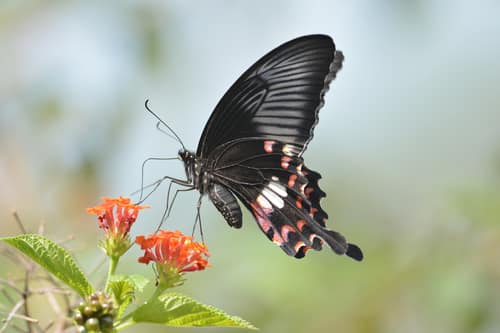
Herbivore (c) Dr. Raju Kasambe, some rights reserved (CC BY-SA) · cc-by-sa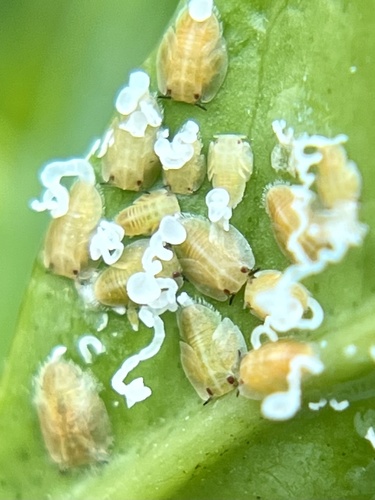
Herbivore (c) Sandra H Statner, some rights reserved (CC BY), uploaded by Sandra H Statner · cc-by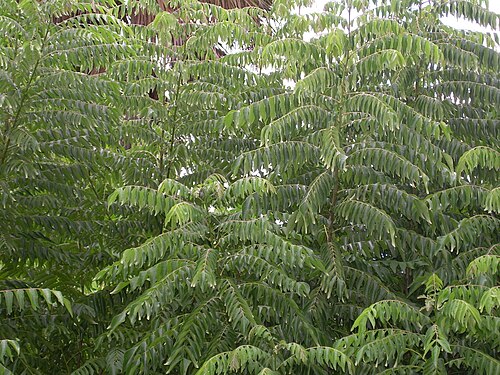
Close Relative Rantingsteve at English Wikipedia / Public domain · cc0 Image unavailable
Same Family
Help improve the field guideSomething wrong?
Checking your Fauna account…Report a name, category, or profile issue for review.