
Fungus
White Domecap
Leucocybe connataAlso known as Clustered White Domecap
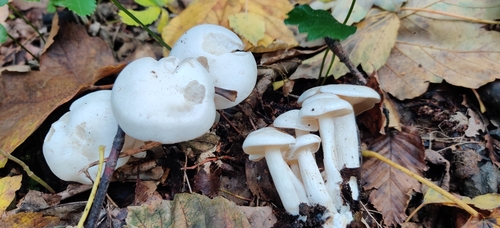
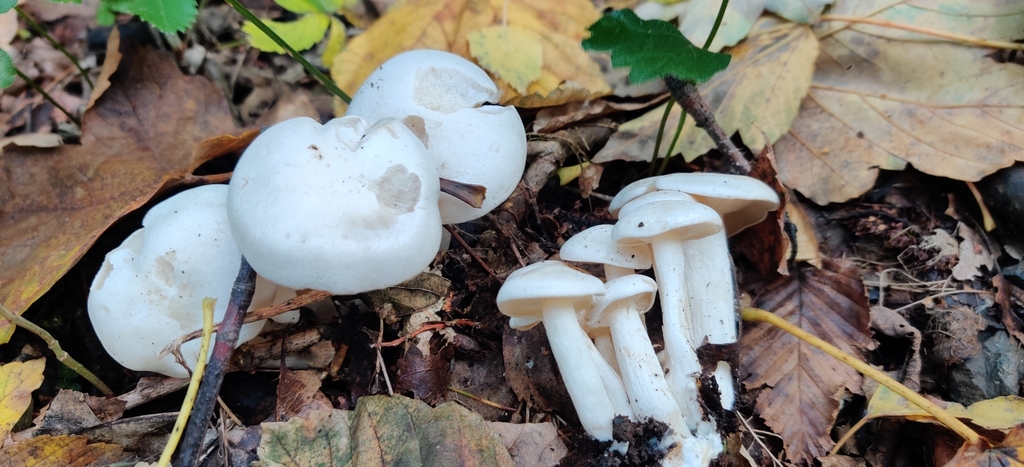
White domecaps emerge in dense, fused tufts along forest margins, road verges, and rich woodland soils throughout temperate regions. Their chalk-white to pale cream caps frequently flatten with age while retaining a cartilaginous, elastic texture that resists tearing. The species is well known among field mycologists for a distinctive violet-blue reaction when iron sulfate is applied to the gills or flesh.
SaprobicClusteredWoodland
—observations
—countries
—peak records
Not EvaluatedConservation statusIUCN Red List categoriesLCNTVUENCREWEXNot Evaluated — not placed on the risk ladderRed List categories, explained →
Diet & preyDecomposing leaf litter, Decaying organic matter, Woody soil debris
Predators
- Fungus gnat larvae
- Slugs
- Small rodents
ThreatsHabitat loss, heavy soil compaction, and severe chemical contamination
HabitatsDeciduous and coniferous forests, woodland borders, parklands, and grassy clearings
Life spanFruiting body lasts 1–2 weeks; mycelial colony survives indefinitely
Classification
- OrderAgaricales
- FamilyTricholomataceae
- GenusLeucocybe
- SpeciesLeucocybe connata
Range data is not available yet.
Interaction riskHigh
- Low
- Moderate
- High
- Very high
- Why interaction risk is high
- Contains mutagenic toxins and has toxic look-alikes; never eat wild fungi based on app identification alone.
- Why it is dangerous
- Produces connatin, an amino-acid derivative known to induce DNA-synthesis inhibition and mutagenic activity in cellular tests.
- How to recognize a risky encounter
- Look for dense, chalky white clustered caps with adnate to subdecurrent gills and tough, fused stalks.
- What to do
- Do not harvest for culinary use; observing, photographing, or making spore prints can be done safely.
Responsible observation
- Growth habit check: Look for tightly clustered stems fused together at the base, typical of domecaps.
- Chemical testing: Apply a drop of iron sulfate solution to the gills to observe a faint purplish chemical reaction.
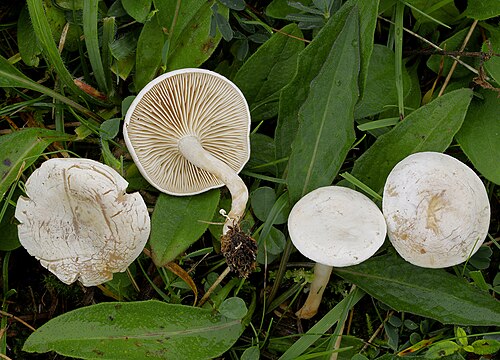
Toxic Look-alike Andreas Kunze / CC BY-SA 3.0 · cc-by-sa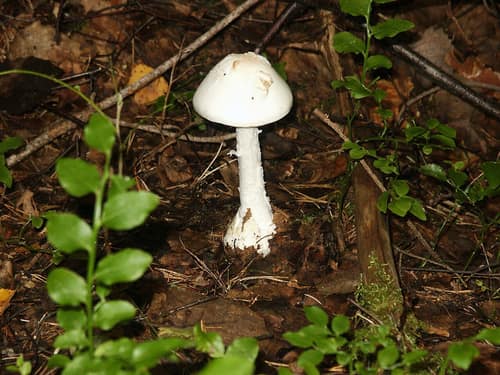
Deadly Look-alike en:User:Ben DeRoy / Public domain · cc0 Image unavailable
Look-alike 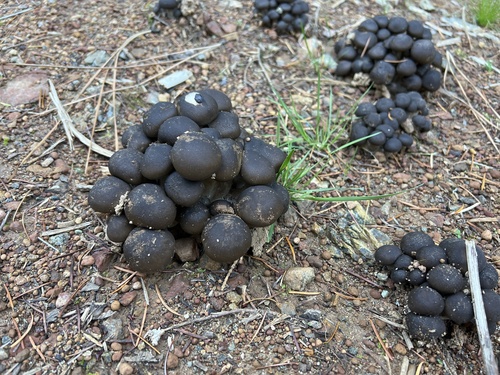
Close Relative no rights reserved · cc0
Help improve the field guideSomething wrong?
Checking your Fauna account…Report a name, category, or profile issue for review.