
Plant
Heart-leaf Ice Plant
Mesembryanthemum cordifoliumAlso known as Baby Sun Rose, Red Aptenia, Heartleaf Iceplant
Heart-leaf ice plant forms dense, prostrate carpets across sunny terrain, anchoring into poor soils with slender adventitious roots that sprout from creeping stems. Tiny glistening water-storage cells stud its fleshy foliage, catching direct sunlight to create a shimmering, crystalline texture. Small magenta or reddish-purple blossoms open only during the brightest daylight hours, attracting a bustling assortment of solitary bees, syrphid flies, and butterflies.
SucculentGroundcoverDrought-Tolerant
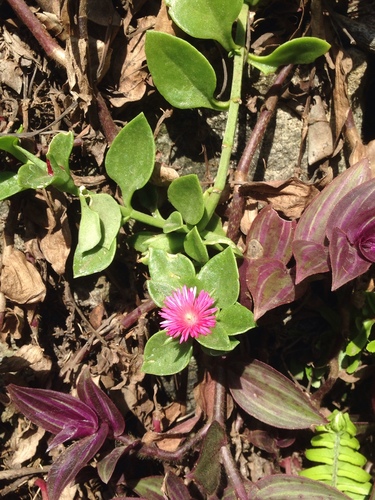
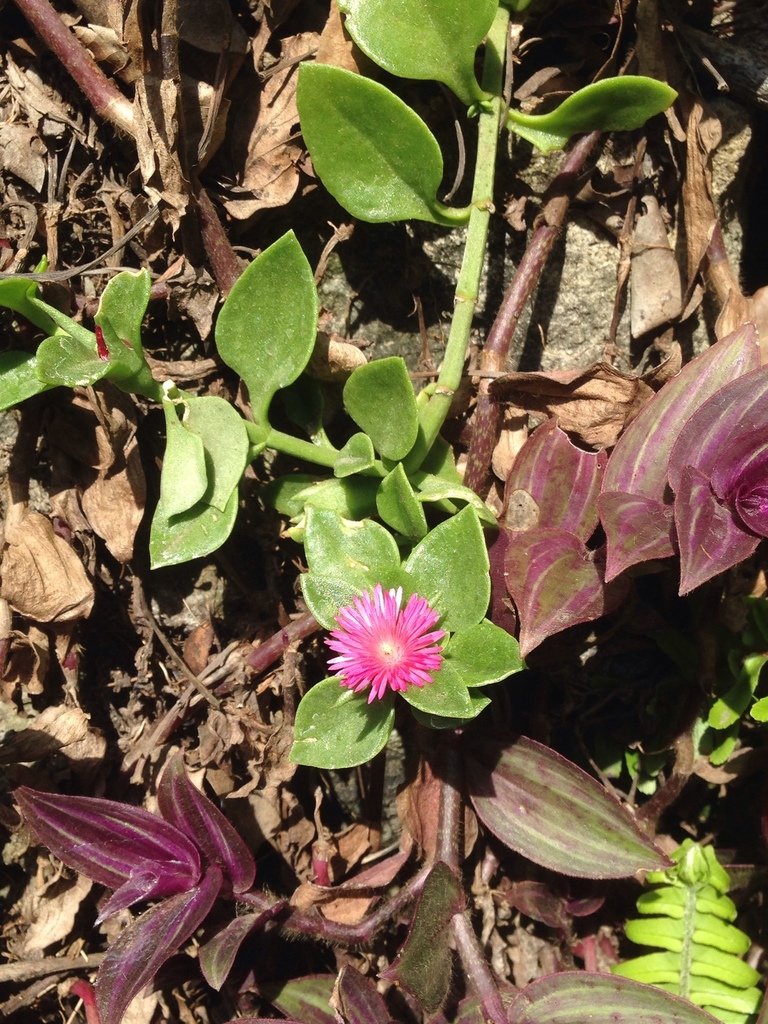
—observations
—countries
—peak records
Least ConcernConservation statusIUCN Red List categoriesLCNTVUENCREWEXLeast ConcernRed List categories, explained →
Diet & preyPhotosynthetic (autotroph)
Predators
- Snails
- Slugs
- Herbivorous insects
ThreatsSusceptibility to severe frost and displacement in wet, poorly drained soils
HabitatsCoastal slopes, rocky outcrops, cliff faces, and disturbed arid scrublands
Life spanPerennial (5–10 years)
Classification
- OrderCaryophyllales
- FamilyAizoaceae
- GenusMesembryanthemum
- SpeciesMesembryanthemum cordifolium
Range data is not available yet.
Interaction riskLow
- Low
- Moderate
- High
- Very high
- Why interaction risk is low
- Safe to observe at a normal distance.
Responsible observation
- Sunlight timing: Visit during midday hours when the daisy-like flowers open fully in response to direct warmth and light.
- Leaf inspection: Look closely at the succulent foliage with a hand lens to see the translucent water vesicles that give the plant its frosty sheen.
- Garden monitoring: When grown outside its native range, trim trailing stems regularly to keep dense mats from overwhelming neighboring native flora.
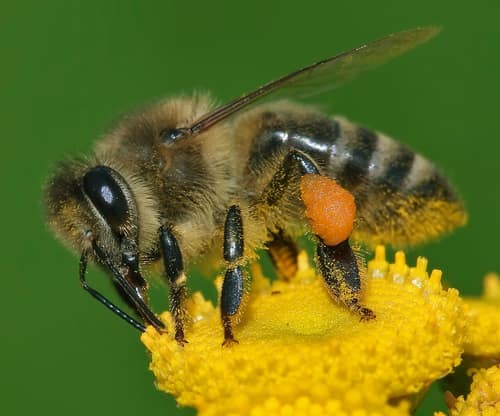
Pollinator Andreas Trepte / CC BY-SA 2.5 · cc-by-sa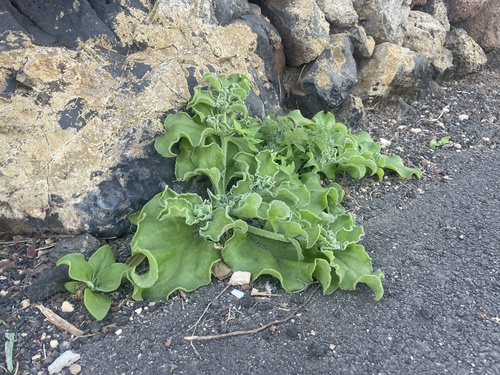
Close Relative (c) Riccardo Rocca, some rights reserved (CC BY) · cc-by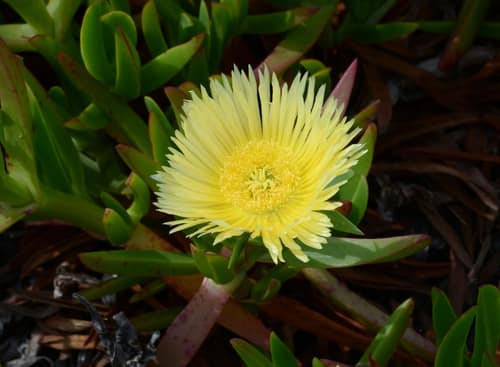
Same Family (c) Alvesgaspar, some rights reserved (CC BY-SA) · cc-by-sa
Help improve the field guideSomething wrong?
Checking your Fauna account…Report a name, category, or profile issue for review.